dailynewsnblog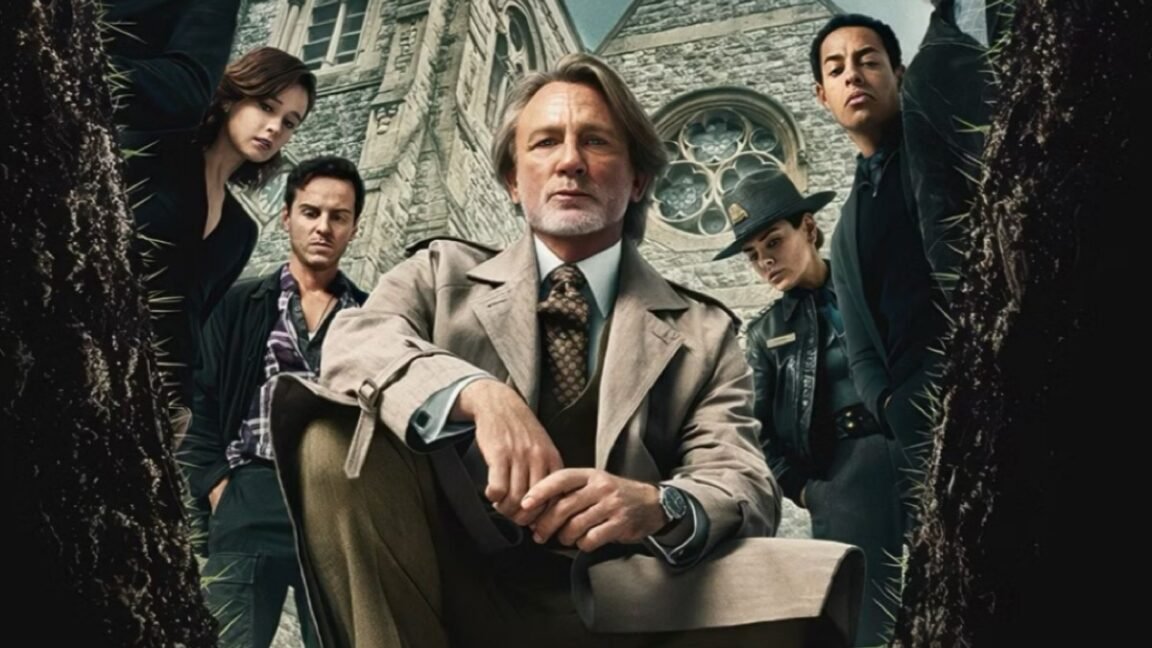
Rian Johnson has another Benoit Blanc hit on his hands with Wake Up Dead Man, in which Blanc tackles the strange death of a fire-and-brimstone parish priest, Monseigneur Jefferson Wicks (Josh Brolin). It’s a classic locked-room mystery in a spookily Gothic small-town setting, and Johnson turned to cinematographer Steve Yedlin (Looper, The Last Jedi) to help realize his artistic vision.
(Minor spoilers below but no major reveals.)
Yedlin worked on the previous two Knives Out installments. He’s known Johnson since the two were in their teens, and that longstanding friendship ensures that they are on the same page, aesthetically, from the start when they work on projects.
“We don’t have to test each other,” Yedlin told Ars. “There isn’t that figuring out period. We get to use the prep time in a way that’s really efficient and makes the movie better because we’re [in agreement] from the very first moment of whatever time we have crafting and honing and sculpting this movie. We don’t waste time talking abstractions or making sure we have the same taste. We can just dive right into the details of each individual scene and shot.”
This time, given the distinctive Gothic sensibility of Wake Up Dead Man, Yedlin played up the interplay between light and dark. For instance, Johnson’s script called for the occasional dramatic lighting changes, sometimes within the same scene. Case in point: the dramatic light changes in an exchange between the young priest (and prime suspect) Jud Duplenticy (Josh O-Connor) and Blanc. As Blanc starts speaking the clouds cover the sun; the sun re-emerges as Duplenticy’s speech swells. Blanc gets a second moment in the sun, so to speak, with his “road to Damascus” moment just before the final reveal.
“In the church, we have day, night, dawn, dusk,” said Yedlin. “We have early morning rays slashing in. As Wick’s speech swells up, the sun bursts out from behind the clouds and flares the lens. We had custom light control software so they can both control and tweak all the nuances of the lighting and also do the cues themselves where it’s changing during the shot, where it’s very flexible and we can be creative in the moment. It’s very repeatable and dependable and you can just push a button and it happens on the same line over the same length of time, every time.”