dailynewsnblog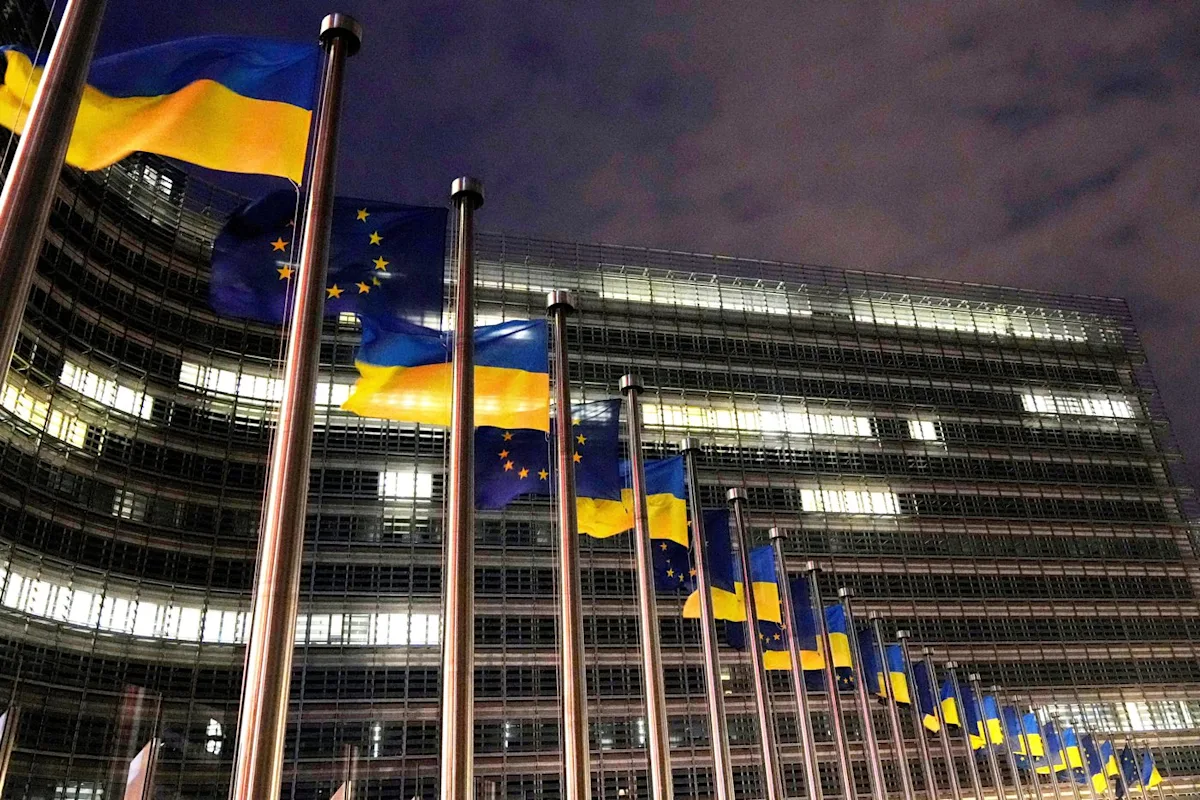
BRUSSELS (AP) — The European Union on Friday indefinitely froze Russia’s assets in Europe to ensure that Hungary and Slovakia, both with Moscow-friendly governments, can’t prevent the billions of euros from being used to support Ukraine.
Using a special procedure meant for economic emergencies, the EU blocked the assets until Russia gives up its war on Ukraine and compensates its neighbor for the heavy damage that it has inflicted for almost four years.
EU Council President António Costa said European leaders had committed in October “to keep Russian assets immobilized until Russia ends its war of aggression against Ukraine and compensates for the damage caused. Today we delivered on that commitment.”
It’s a key step that will allow EU leaders to work out at a summit next week how to use the tens of billions of euros in Russian Central Bank assets to underwrite a huge loan to help Ukraine meet its financial and military needs over the next two years.
THIS IS A BREAKING NEWS UPDATE. AP’s earlier story follows below.
BRUSSELS (AP) — The European Union is expected on Friday to lock up Russia’s assets held in Europe until it gives up its war in Ukraine and compensates its neighbor for the heavy damage that it has inflicted for almost four years.
The move is an important step that would allow EU leaders to work out at a summit next week how to use the tens of billions of euros in Russian Central Bank assets to underwrite a huge loan to help Ukraine meet its financial and military needs over the next two years.
Hungarian Prime Minister Viktor Orbán – Russian President Vladimir Putin’s closest ally in Europe – accused the European Commission, which prepared the decision, “of systematically raping European law.”
A total of 210 billion euros ($247 billion) in Russian assets are frozen in Europe. The vast majority of the funds — around 193 billion euros ($225 billion) at the end of September — are held in Euroclear, a Belgian financial clearing house.
The money was frozen under sanctions that the EU imposed on Russia over the war it launched on Feb. 24, 2022, but these sanctions must be renewed every six months, and all 27 member countries must approve them for that to happen.
Hungary and Slovakia oppose providing more support to Ukraine.
Friday’s expected decision, which is based on EU treaty rules allowing the bloc to protect its economic interests in certain emergency situations, would prevent them from blocking the sanctions rollover and make it easier to use the assets.
Orbán said on social media that it means that “the rule of law in the European Union comes to an end, and Europe’s leaders are placing themselves above the rules.”