dailynewsnblog
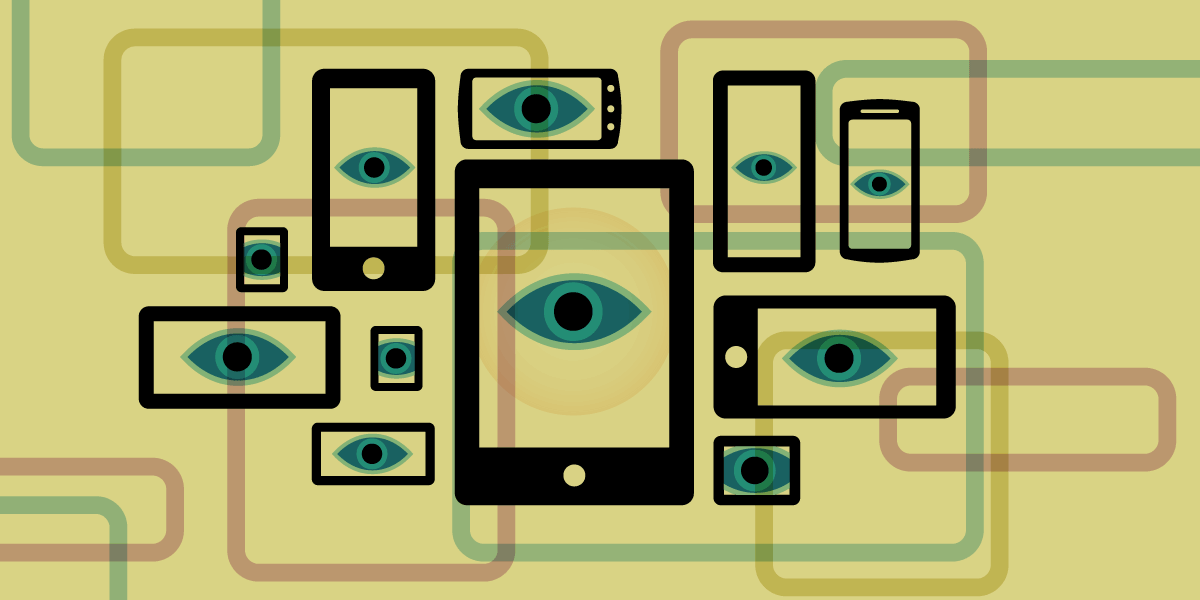
The UK Parliament convened earlier this week to debate a petition signed by almost 2.9 million people calling for an end to the government’s plans to roll out a national digital ID. Ahead of that debate, EFF and 12 other civil society organizations wrote to politicians in the country urging MPs to reject the Labour government’s newly announced digital ID proposal.
The UK’s Prime Minister Keir Starmer pitched the scheme as a way to “cut the faff” in proving people’s identities by creating a virtual ID on personal devices with information like names, date of birth, nationality, photo, and residency status to verify their right to live and work in the country.
But the case for digital identification has not been made.
As we detail in our joint briefing, the proposal follows a troubling global trend: governments introducing expansive digital identity systems that are structurally incompatible with a rights-respecting democracy. The UK’s plan raises six interconnected concerns:
- Mission creep
- Infringements on privacy rights
- Serious security risks
- Reliance on inaccurate and unproven technologies
- Discrimination and exclusion
- The deepening of entrenched power imbalances between the state and the public.
Digital ID schemes don’t simply verify who you are—they redefine who can access services and what those services look like. They become a gatekeeper to essential societal infrastructure, enabling governments and state agencies to close doors as easily as they open them. And they disproportionately harm those already at society’s margins, including people seeking asylum and undocumented communities, who already face heightened surveillance and risk.
Even the strongest recommended safeguards cannot resolve the core problem: a mandatory digital ID scheme that shifts power dramatically away from individuals and toward the state. No one should be coerced—technically or socially—into a digital system in order to participate fully in public life. And at a time when almost 3 million people in the UK have called on politicians to reject this proposal, the government must listen to people and say no to digital ID.
Read our civil society briefing in full here.