dailynewsnblog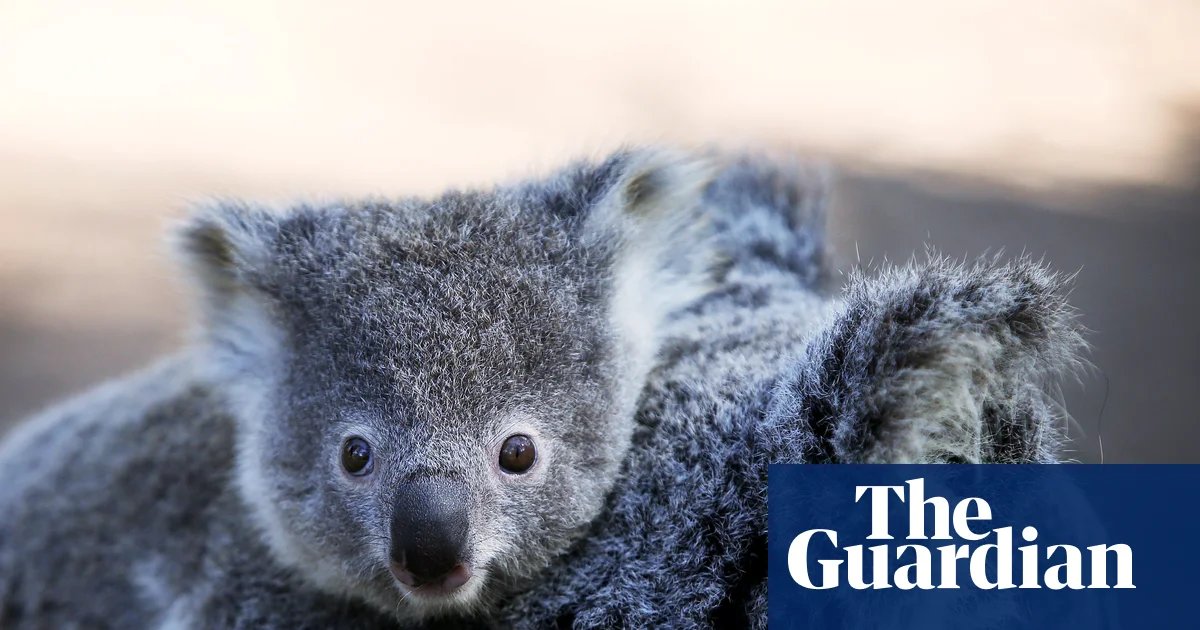
The first comprehensive koala survey conducted in New South Wales suggests populations of the endangered marsupial are higher than previously thought.
The NSW government’s statewide survey, released on Thursday, estimates there are 274,000 koalas across the state.
More than 1,000 locations across national parks, state forests and private land were surveyed, using new tools such as heat-detecting drones and acoustic recorders.
The number of koalas in NSW was previously uncertain, according to the state’s 2022 koala strategy, with estimates varying from 15,000 to 30,000 animals.
Sign up: AU Breaking News email
The updated estimate reflects more accurate technology and extensive survey work, rather than a true increase in the koala population. The surveys involved more than 6,500km of night-time drone flights and more than 400,000 hours of acoustic recording during the koala breeding season, according to a state government report.
That data was then used to model the distribution of koala occupancy (the likelihood of finding a koala) and koala abundance (the number of koalas a hectare) across the state.
The NSW survey data fed into Australia-wide figures released last month by the CSIRO’s national koala monitoring program, which estimates between 729,000 to 918,000 koalas nationally.
That baseline is up from a 2023 estimate of 287,830 to 628,010 koalas nationally, but experts say the higher estimates do not indicate an increase in koala populations.
Mathew Crowther, a professor of quantitative conservation biology at the University of Sydney, was involved in reviewing the state government’s data before its release. He stressed the numbers were a modelled estimate and “people shouldn’t get too upset or excited”.
“It’s a baseline,” he said. “We should be more interested in not the number of koalas but what’s happening to the koalas – are they declining or are they increasing or are they disappearing from areas?
“And we can only do that with ongoing monitoring.”
Crowther said there were some parts of the state where “koalas are almost gone”. The report states areas including the far west, the Pilliga region and much of the south coast had “notable absences” of koalas.
after newsletter promotion
Tanya Pritchard, senior manager of koala recovery at the World Wide Fund for Nature-Australia, described the new estimate as “important information to have”, but noted: “It does not mean koala populations are increasing. New approaches like scanning with thermal drones, and an increased search effort means we’re getting better at finding existing koalas.”
“But make no mistake, koalas have suffered a massive decline.”
The NSW government said koalas remained endangered in the state, where the animals faced risks including habitat loss and fragmentation, disease, vehicle strikes, and the impacts of the climate crisis.
Penny Sharpe, the state environment minister, said: “This survey gives us a clearer understanding of where koalas remain in NSW. It is an important tool to guide conservation decisions.
“Koalas are still endangered, and the threats they face are real. This work helps ensure we are targeting the right areas so that future generations can continue to see koalas in the wild.”
The data comes as the Minns government progresses plans for the great koala national park, which will add 176,000 hectares of forest to existing reserves to create one of the largest national parks in the state.
The Coalition’s environment spokesperson, James Griffin, said it was “great to see the former Coalition government’s NSW koala strategy is still delivering important insights and opportunities for better koala conservation”.
“The data from the koala monitoring program demonstrates the importance of continued investment in koala conservation and sustainable population growth across the state,” the spokesperson said.
NSW Greens environment spokesperson, Sue Higginson, said the estimated number of animals did not convey other important information such a population health and viability.
“What we need to focus on at all times is the actual conservation status of koalas in NSW,” she said.
“What we know is we are losing populations, habitat is being destroyed, animals are sick and being killed by road strikes at rates never seen before.”