dailynewsnblog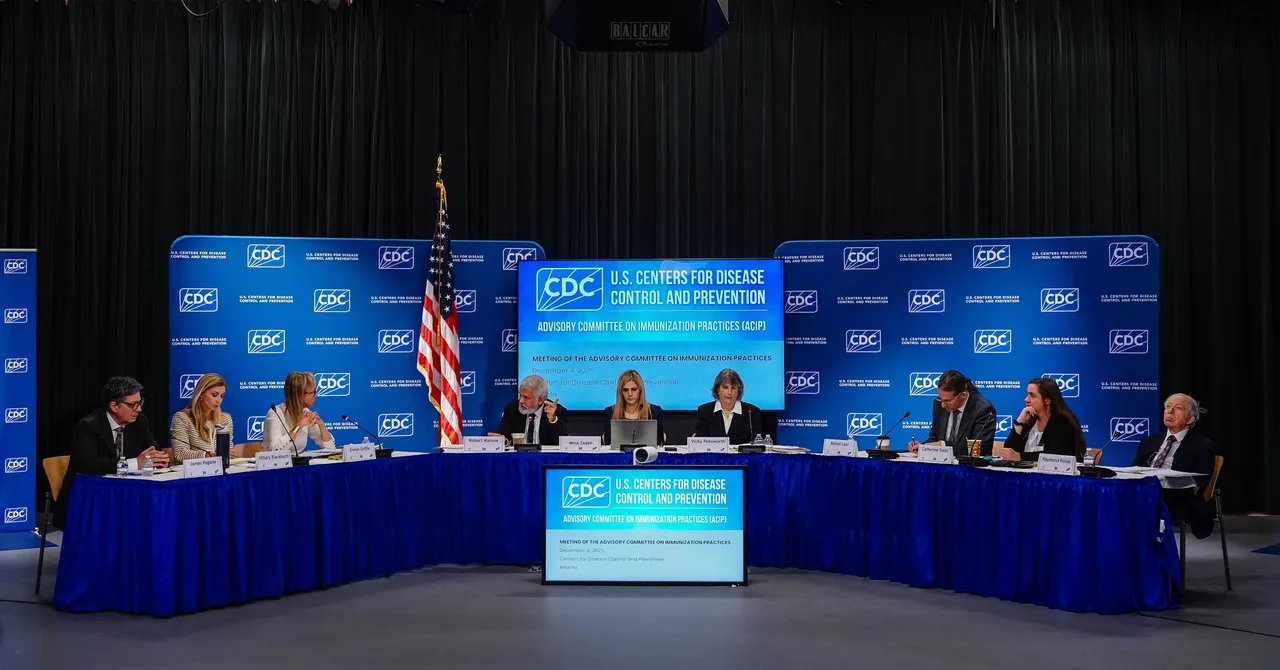
Most Democratic-led states say they will continue to universally recommend and administer the hepatitis B vaccine at birth, despite new guidance against it issued last week by a federal vaccine advisory panel handpicked by Health and Human Services secretary Robert F. Kennedy Jr.
The Northeast Public Health Collaborative and the West Coast Health Alliance, which formed earlier this year in response to Kennedy’s concerning overhaul of vaccine policy, along with a other blue states, plan to to defy the latest recommendations made by the Centers for Disease Control and Prevention’s Advisory Committee on Immunization Practices, or ACIP.
Hepatitis B is a serious, incurable infection that can lead to liver damage and liver cancer. It can be passed from mother to child during delivery, and without vaccination, about 90 percent of infants infected at birth develop chronic hepatitis B infection. Among those with chronic infection, 25 percent will die prematurely from the disease.
Since 1991, ACIP and the American Academy of Pediatrics have recommended a universal dose of the hepatitis B vaccine within 24 hours after birth. The sooner a newborn gets the vaccine, the higher the chance of preventing chronic infection. The birth dose is credited with dramatically lowering infection rates in children. Yet last week, Kennedy’s newly formed ACIP, which includes several vaccine skeptics, overturned that 30-year precedent. In June, Kennedy announced a “clean sweep” of ACIP, removing all of its previous 17 experts and replacing them with new members of his choosing.
During a chaotic two-day meeting that was riddled with misinformation, the committee voted to recommend the hepatitis B vaccine at birth only for infants born to pregnant people who test positive for the virus or whose status is unknown. For those whose hepatitis B status is negative, the panel recommended “individual-based decision-making”—meaning parents should talk with their doctors about vaccination first. If the baby does not receive the first dose at birth, the panel suggests delaying the first dose until the child is at least two months old.
Medical experts have decried the decision, saying that screening across the US is imperfect and does not catch all infections. Half of people who have it don’t know that they’re infected.
“The United States went through several iterations of recommendations for vaccinating against hepatitis B that were all risk-based. We tried screening mothers, we tried only vaccinating babies born to mothers living with hepatitis B, and they all failed. The universal birth dose was the ultimate success and the reason why we’ve seen childhood hepatitis B cases decline by 99 percent since we implemented it,” says Michaela Jackson, director of prevention policy at the Hepatitis B Foundation.