dailynewsnblog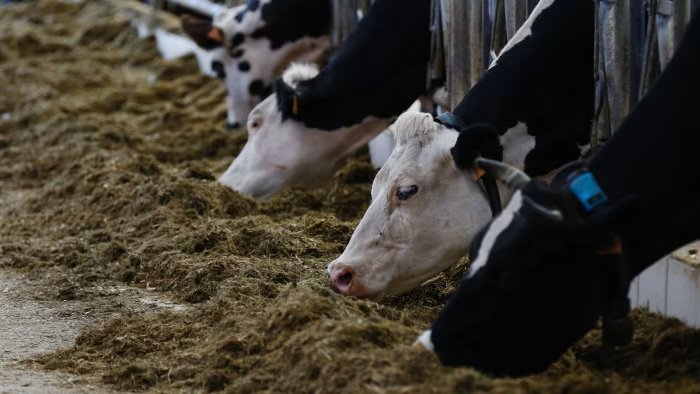
This article is an on-site version of our Europe Express newsletter. Premium subscribers can sign up here to get the newsletter delivered every weekday and fortnightly on Saturday morning. Standard subscribers can upgrade to Premium here, or explore all FT newsletters
Good morning. A scoop to start: EU countries will fast-track a decision to indefinitely immobilise up to €210bn in Russian sovereign assets, using emergency powers to bypass Hungarian Prime Minister Viktor Orbán’s veto before leaders meet for a summit next week.
Today, our trade correspondent reports on fears that the Mercosur deal could collapse at the final hurdle, and Laura previews an all-continent discussion on migration and human rights.
Treaty troubles
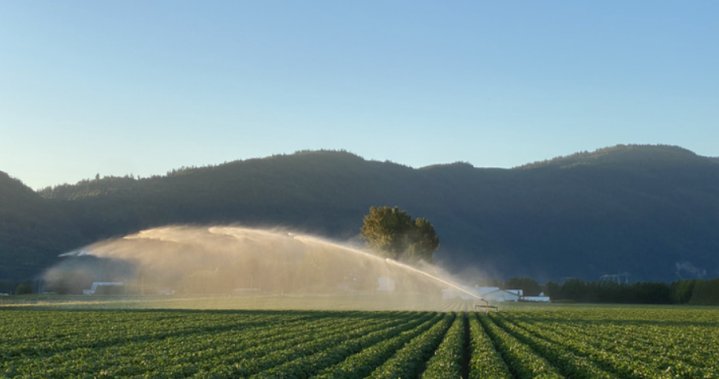
To the German car industry it’s a lifeline, to French farmers it is an existential threat: The trade deal between the EU and the Mercosur is still not guaranteed, days before its final approval this month, writes Andy Bounds.
Context: The bloc’s biggest ever trade agreement with Brazil, Argentina, Uruguay and Paraguay took 25 years to negotiate and was sealed a year ago, but still needs to be ratified, leaving it vulnerable to opposition from farmers, populist governments and environmentalists.
Member states were supposed to approve the pact in the next few days, so that EU leaders could travel to Brasília on December 20 to sign it.
But the European parliament trade committee this week voted on additional conditions, adding more safeguards to protect EU farmers in the event of cheap South American imports crashing prices.
The whole parliament will vote next week, by which time the 27 governments are likely to have done so too. For now, countries have pledged to stick to the original safeguards, until final negotiations with the parliament.
France is expected to back the deal, pointing to the safeguards and increased opportunity for sales of camembert and claret.
The European Commission has also said any changes to the text of the draft treaty will require approval by Mercosur. Its four members are already low on patience, diplomats say, and might not take much more humiliation.
Diplomats warn that with precious little time left, additional tweaks requiring additional approvals from parliament, capitals and Mercosur states could derail the entire quarter-century effort, and leave the EU looking impotent, incompetent and having spurned a no-brainer victory.
One EU diplomat said the deal was vital for the bloc’s “strategic autonomy”. “If we end up not doing it, you can forget about diversification. Argentina will start making deals with the US, Brazil will do them with China,” they added.
An EU official said the deal was the perfect riposte to US President Donald Trump and his attack on Europe’s “weak” leaders. “This would in one stroke highlight Europe’s relevance on the global stage, the value of co-operation over confrontation, and the enduring benefits of international rules.”
One MEP, who declined to be named, said the parliament vote was “part of the political choreography we need to make the agreement more acceptable internally”.
Chart du jour: Capital market killer?

The latest piece in our series on Who killed the Single Market? explains how Luxembourg tamed the “monster” of unified EU capital markets — and epitomised the resistance of member states to ceding control.
Come together
Ministers from 46 European countries are meeting in Strasbourg today to discuss immigration and human rights, as the political debates around them become increasingly polarised, writes Laura Dubois.
Context: The countries are members of the Council of Europe, which is not part of the EU and oversees the European Convention of Human Rights. Nine countries — including Italy, Denmark and Austria — signed an open letter in May criticising the European Court of Human Rights’ interpretation of the convention, specifically when it comes to foreigners.
The head of the council Alain Berset has invited foreign ministers to discuss the issue.
“Migration issues are high on the agenda of countries and people across Europe,” Berset said ahead of the meeting. “The European Convention on Human Rights provides the framework we need to address these issues effectively and responsibly.”
He warned that “Our task is not to weaken the Convention, but to keep it strong and relevant — to ensure that liberty and security, justice and responsibility, are held in balance.”
The meeting comes amid wider concerns over the politicisation of some European governments’ judiciaries. Italian premier Giorgia Meloni, for instance, regularly rails against the courts and has accused judges of undermining the executive, particularly regarding immigration policies.
Human rights activists have warned these moves could erode the rule of law in European countries more generally.
In a note published ahead of the meeting, the council reminded participants that the convention “protects the rights and freedoms of everyone . . . whether they are nationals of that country or not”.
What to watch today
-
Informal meeting of EU general affairs ministers in Lviv, Ukraine.
-
Serbian President Aleksandar Vučić visits Brussels, meets European Council president António Costa and European Commission president Ursula von der Leyen.
-
EU home affairs commissioner Magnus Brunner hosts a conference on migrant smuggling.
Now read these
Recommended newsletters for you
Free Lunch — Your guide to the global economic policy debate. Sign up here
The AI Shift — John Burn-Murdoch and Sarah O’Connor dive into how AI is transforming the world of work. Sign up here
Are you enjoying Europe Express? Sign up here to have it delivered straight to your inbox every workday at 7am CET and on Saturdays at noon CET. Do tell us what you think, we love to hear from you: europe.express@ft.com. Keep up with the latest European stories @FT Europe