dailynewsnblog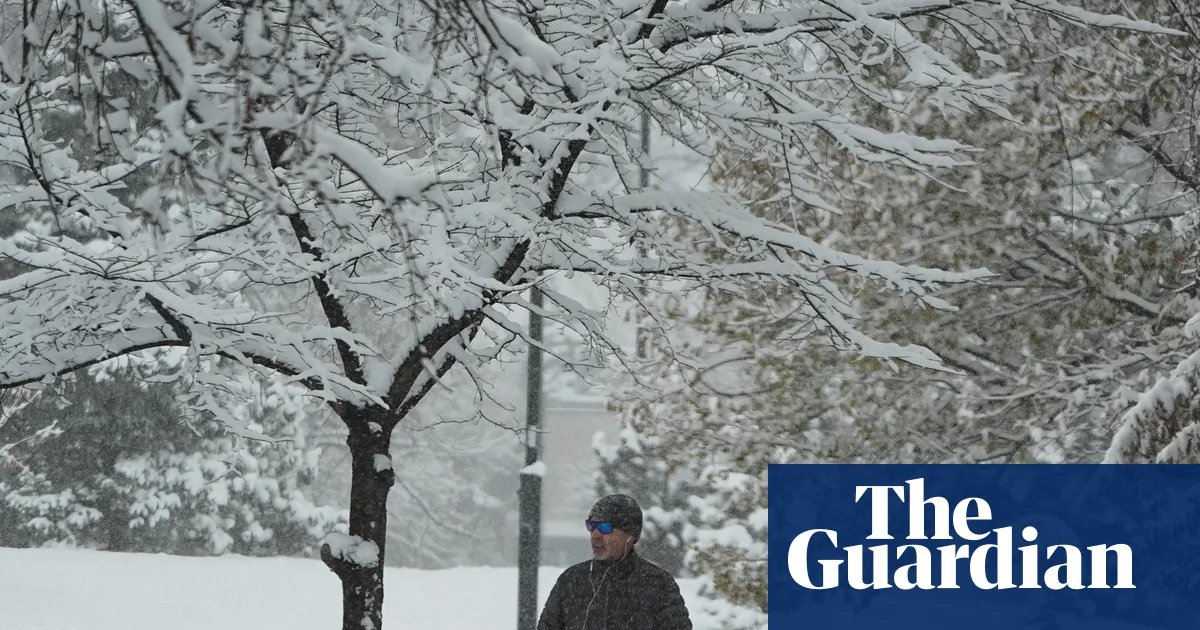
A cold spell continued to grip parts of the US this week. After a winter storm brought 20-30cm of snow across Wisconsin, and even up to 35cm in places last weekend, the focus of the winter weather hazards shifted elsewhere early this week.
A storm system moving south-east over Wyoming and Colorado brought a continuous period of snowfall until Thursday morning. Central Colorado and northern New Mexico bore the brunt of the snowfall with accumulations reaching 30cm in places. The heavy snowfall across the Denver region was its first of the winter and caused widespread disruption to flights into and out of Denver on Wednesday and Thursday. Almost 1,000 flights were delayed or cancelled as a result of the treacherous conditions.
An area of dense fog helped to worsen conditions in northern Colorado on Thursday morning. The National Weather Service issued a dense fog advisory for Thursday, warning of visibilities down to 100-200 metres in places.
With snowfall from this week’s system easing, another winter storm is set to move in this weekend. Heavy snowfall will resume across the Rocky Mountains from Friday, and along with strong winds will create drifting snow and blizzard conditions. Abnormally cold weather will continue across large swathes of central and northern US this early winter.
To start Australia’s summer season, the country has experienced contrasting weather – freezing temperatures and settling snow over mountainous parts of the south-east, and a widespread heatwave to the west with temperatures rising above 40C. Temperatures will continue to increase this week, with daytime temperature maximums expected to reach the mid-40s in central Australia by the weekend.
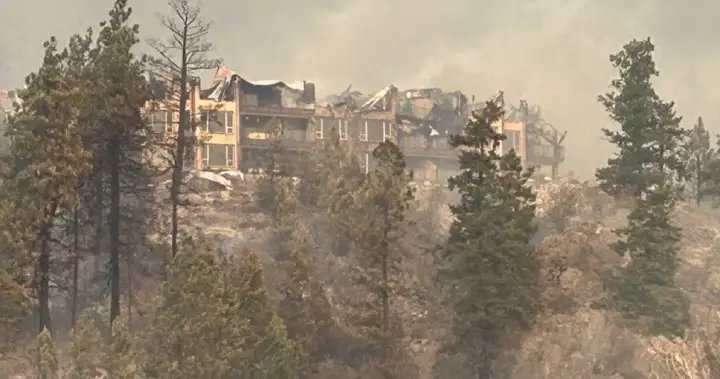
Through this week and into next, the heatwave is expected to spread through the rest of the country. The intense heat will affect residents and tourists, particularly the most vulnerable. The wildfire risk has sharply risen, with the Australian Bureau of Meteorology issuing a fire weather warning for southern New South Wales for Friday. People have been advised to stay indoors and to keep air conditioning running, as warnings for many places will remain into next week.