dailynewsnblog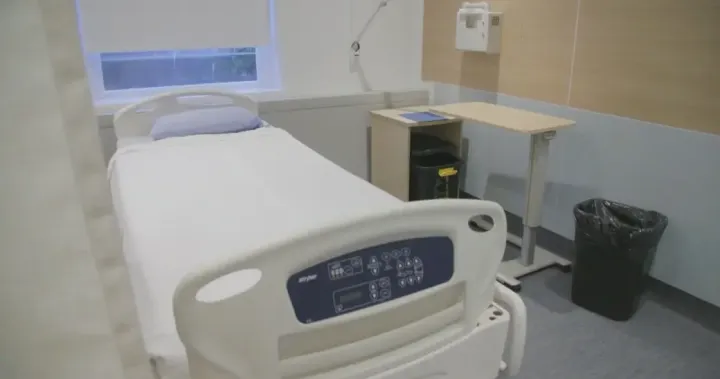
The B.C. government is providing some guidance about how involuntary care can be implemented for people younger than 19 years old when they are able or unwilling to seek care for themselves.

This guidance is to help clarify for physicians when young people can be admitted under the Mental Health Act at the request of parents or guardians.
“I have met parents whose children have died because they were unable to hold them in care and get them the treatment they need, including medication that prevents brain injury and overdose,” Premier David Eby said in a statement.
“We have to do better. This new guidance will help protect some of our most vulnerable and our precious from permanent brain injury or death, while opening the door to rebuilding their lives.”
This guidance document will be available for doctors and psychiatrists across the province. It builds on the guidance for treatment of adults under the Mental Health Act, but provides clarifying information specific to children and youth under 19.
“As a mother who lost her son Elliot to the devastating impacts of mental health and addiction, I know firsthand that families will do anything to keep their children safe,” Dr. Rachel Staples said.
“No parent should have to stand by helplessly while their child slips away. This is why this guidance matters. This is about giving families a fighting chance to save their children’s lives before it’s too late.”

The B.C. government has also amended the Mental Health Act to ensure that people detained under it have the legal right to meet with an independent rights adviser, including those under 19.

Get weekly health news
Receive the latest medical news and health information delivered to you every Sunday.
The province has more than 2,000 mental health beds that can be used for involuntary care patients when needed and it is working to open more beds in the Surrey Pretrial Services Centre and Alouette Homes in Maple Ridge this year, as well as open mental-health facilities in Surrey and Prince George that will have the capability to provide voluntary and involuntary care.


However, not everyone is on board with the province’s changes to involuntary care under the Mental Health Act.
A group is pushing back against the move to bring in involuntary care for people dealing with extreme drug use disorder.
“Three hundred physicians, nurses, and health-care workers have signed the petition pledging to refuse to certify people when their sole disorder of mind is substance use,” Thea Sheridan-Jonah, with Canadian Students for Sensible Drug Policy, said at a press conference on Monday.
Sheridan-Jonah said that involuntary treatment is a traumatic experience that increases someone’s overdose risk and does not support long-term recovery or mental health.
“We know that these expansions will be used to criminalize particular populations,” she said.
“They will be used to further criminalize and imprison immigrants, people who use drugs, our unhoused, disabled, transgender, Indigenous, Black, and people of colour. We have also seen youth and children weaponized through moral panic narratives that say we need to lock up youth instead of ensuring adequate access to health care and voluntary treatment services.”
© 2025 Global News, a division of Corus Entertainment Inc.