dailynewsnblog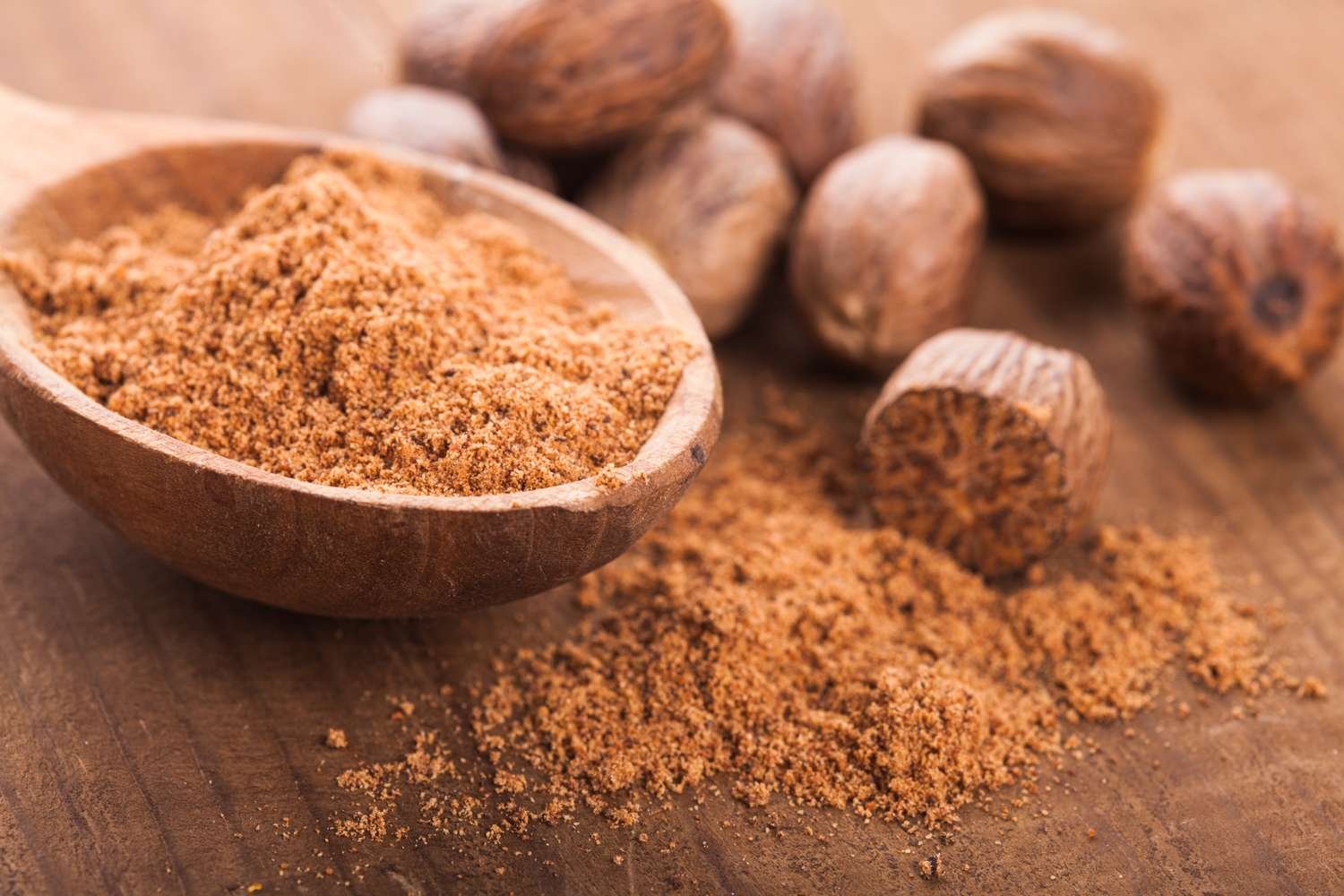
Nutmeg is a sweet spice commonly used in baking, along with clove, cinnamon, allspice, and pumpkin spice. While nutmeg may offer a variety of antioxidant, antibacterial, and anti-inflammatory health benefits, there are some potential risks to be aware of if you consume too much.
1. Allergic Reaction
Although rare, an allergic reaction to nutmeg is possible after consuming or coming into contact with the spice. Nutmeg allergies are more common in adults than in children, likely due to exposure to the spice during baking or cooking.
A reaction occurs when the body releases histamine to protect itself from proteins in nutmeg that may trigger an allergic response after particles are ingested or inhaled. Side effects may appear on the skin or respiratory system.
Severe allergic reactions, which include difficulty breathing or swelling of the face and throat, should receive immediate emergency medical attention. Mild reactions, such as a small rash or skin sensitivity, may warrant a visit to a healthcare provider for diagnosis.
2. Exposure to Toxins
Toxins like heavy metals, pesticide residues, and other chemicals can be present in spices and other food items, including nutmeg. Research suggests that this spice is a frequent source of contamination with these toxic substances.
Specifically, pollutants with carcinogenic (cancer-causing) risks have been found in high concentrations in spices like nutmeg. These pollutants include:
- Heavy metals
- Aflatoxins
- Ethylene oxide
- Pyrrolizidine alkaloids
- Pesticide residue
Exposure to these compounds can have adverse effects on your health if nutmeg is consumed in large quantities. While it may not be possible to screen your spices before consumption, experts suggest shopping for reputable brands that have transparent policies regarding sourcing and quality control efforts to minimize contamination as much as possible.
3. Medication Interactions
Some evidence suggests that nutmeg may interfere with the absorption of medications that are broken down by the liver, including cholinergic drugs. This class of medicines increases the chemical acetylcholine in the body, which is a neurotransmitter that acts on the parasympathetic nervous system and may be used to address health concerns such as:
- Asthma
- Dry mouth
- Urinary retention
- Some cognitive diseases
Check with a healthcare provider before using nutmeg in your cuisine if you’re taking prescription (or over-the-counter) medications to be safe.
4. Intoxication
Consuming large amounts of nutmeg, or purposely using it for recreational drug purposes, is a dangerous practice.
Symptoms of nutmeg intoxication have been reported when ingesting it to get “high,” which can trigger adverse effects such as:
- Nausea
- Vomiting
- Mood changes
- Hypertension (high blood pressure)
- Hallucination
The natural compound found in nutmeg (myristicin) may be the culprit for these psychoactive effects, with some evidence suggesting that intoxication can occur from consuming 1 to 2 teaspoons (tsp) or a dose larger than 5 grams (g) of nutmeg in a sitting. In addition to these adverse side effects, there have been at least a few reported deaths as a result of nutmeg intoxication.
Experts warn against consuming excessive amounts of nutmeg, which may be equivalent to quantities of less than 1.5 tsp or less than 10 g per sitting.
Tips for Consuming Nutmeg
While research on nutmeg’s health effects in humans is limited, it’s generally safe for most healthy adults to consume in moderation in limited quantities. Here are some tips for incorporating nutmeg into your diet:
- Use a grater to zest fresh, whole nutmeg onto your baked goods or dishes.
- Use nutmeg to help reduce the amount of sugar you add to desserts, baked goods, or breads.
- Consume nutmeg as a flavoring or in combination with other similar spices such as cinnamon, clove, and cardamom.
- Add nutmeg to seasonal beverages, such as hot chocolate, cider, or eggnog, for a warm and aromatic flavor.
- Consider using nutmeg on savory dishes, such as mashed potatoes, soups, and pasta.
- Top oatmeal, fruit salad, and French toast with a dash of nutmeg for a burst of nutty, sweet flavor.
- Store nutmeg in an airtight container, as ground nutmeg can last for up to four years when kept away from exposure to moisture and heat.
:max_bytes(150000):strip_icc():format(webp)/IMG_5047-9727550a95404c49a7515e66930004ef.JPG)