dailynewsnblog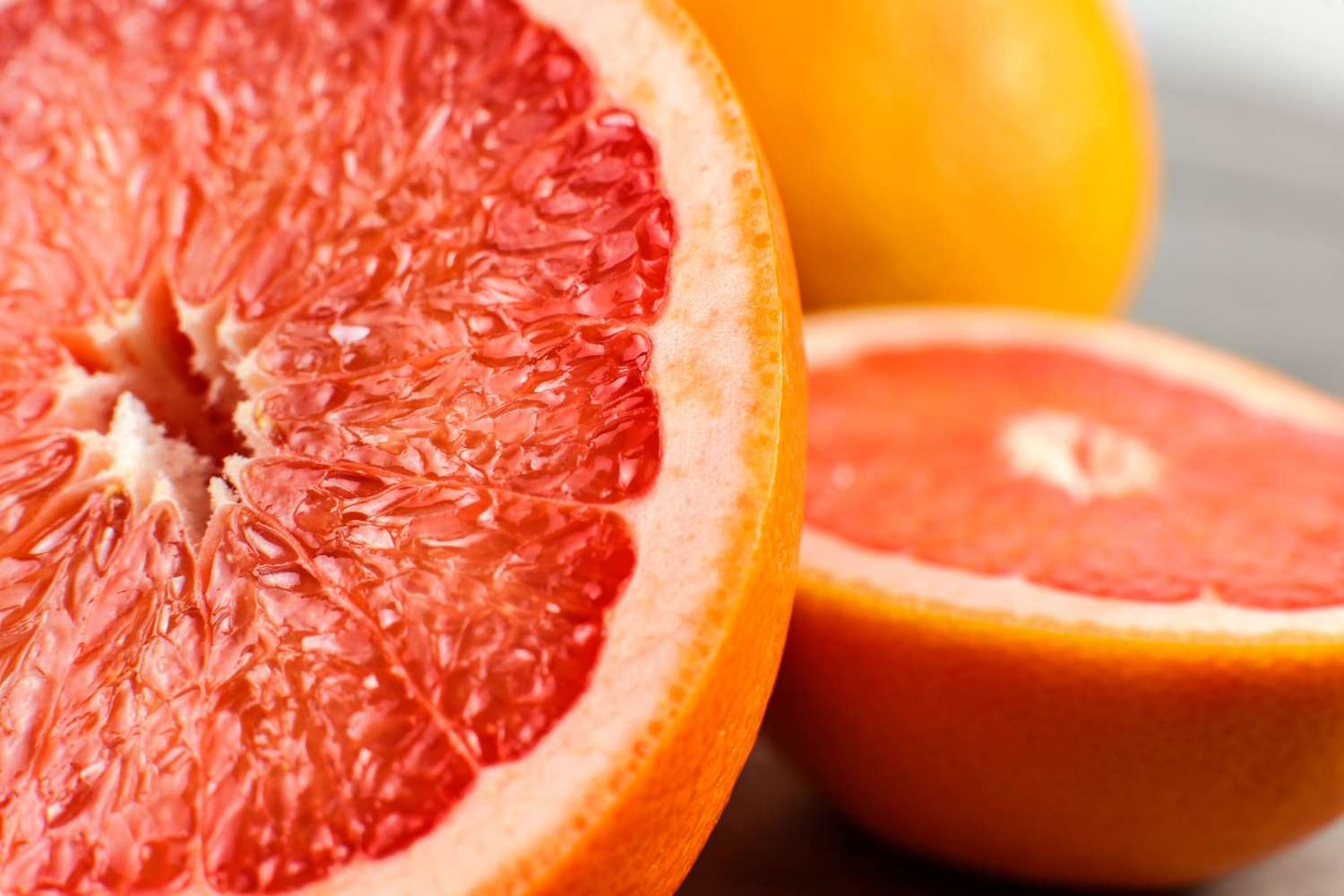
Grapefruit is a citrus fruit known as a strong source of vitamin C, fiber, potassium, and other vital nutrients. Though grapefruit is a healthy fruit choice for many, others should consume it cautiously because it interacts with various drugs and can impact certain health conditions.
1. Provides Nutrients
Grapefruit is a high-nutrient superfood worth incorporating into your diet, if it’s safe for you. One cup of grapefruit contains:
- Water: 211 grams (g)
- Calories: 69 kcal
- Fat: 0.23 g
- Protein; 1.26 g
- Carbohydrates: 17.2 g
- Fiber: 2.53 g
- Calcium: 34.5 milligrams (mg)
- Iron: 0.27 mg
- Magnesium: 18.4 mg
- Potassium: 292 mg
- Vitamin C: 85.1 mg
- Vitamin A: 29.9 micrograms (mcg)
Types of Grapefruit
There are many different types of grapefruit. The most common grapefruit varieties include white, pink, and red. Grapefruit in the form of juice is another popular option for many people.
2. Promotes Wound Healing
Grapefruit helps the body heal wound thanks to its vitamin C content.
3. Supports Eye Health
Grapefruit contains vitamin A, which helps promote eye health.
4. Reduces Inflammation
Grapefruit contains flavonoids, which have been found to reduce inflammation within the body.
5. Promotes Heart Health
Grapefruit has high levels of potassium, which is good for heart health.
6. Potentially Prevents Cancer
Grapefruit contains an antioxidant called lycopene, which may help prevent cancer.
Grapefruit Essential Oil and Cortisol
Grapefruit has been found to lower cortisol (stress hormone) levels, specifically when it’s in essential oil form.
7. Can Interact With Medications
There are more than 50 known prescription and over-the-counter (OTC) drugs with which grapefruit can interfere. This is partly due to its increased metabolization, which can strongly interact with medication dosing.
Discuss this with a healthcare provider before adding grapefruit to your diet if you are currently taking prescription medication.
It’s important to know that if you are taking medications to help regulate cholesterol or blood pressure, antiplatelets, and anticoagulants, you should not eat grapefruit or drink grapefruit juice (unless otherwise directed by a healthcare provider). Grapefruit has the potential to alter these specific medication levels in your bloodstream and increase the risk of serious side effects.
Other drug classes have known strong interactions with grapefruit and grapefruit juice, including:
- Antihistamines
- Thyroid replacement drugs
- Birth control
- Acid-blocking drugs
- Certain cough suppressants
- Some anti-anxiety medications
- Estrogens
- Viagra
Always check medication levels because these should highlight whether they’re not to be taken with grapefruit. Even a cup of juice or a few slices of grapefruit can impact the effectiveness of your medication. The citrus fruit pomelo has similar drug interactions.
8. May Not Be Recommended In Certain Medical Conditions
You should also consume grapefruit with caution if you have certain medical conditions, which may include:
- Pregnancy or breastfeeding: There’s not enough evidence to show how grapefruit might impact a developing or growing baby.
- Cardiomyopathy (a heart muscle disorder) or an irregular heartbeat: There may be an increased risk of an abnormal heart rhythm if grapefruit juice is consumed.
- Hormone-sensitive cancers (such as breast cancer): These might be prone to increased hormone levels with the consumption of grapefruit products.
- Postmenopause: Large amounts of grapefruit juice may lead to an increased breast cancer risk.
9. Grapefruit Allergy May Occur
Though citrus allergies aren’t common, they may be possible with grapefruit consumption or exposure.
Signs of a grapefruit allergy can include a skin rash, inflammation, nausea, vomiting, and more. Though there’s no specific cure for this type of food allergy, a healthcare provider can offer guidance on avoiding hidden citrus in your daily diet and utilizing an EpiPen if necessary.
How to Add Grapefruit Into Your Diet
If it’s safe for you to consume, you can incorporate the tart flavor of grapefruit into your diet in several different ways, such as:
- Though many people enjoy splitting a grapefruit in half and eating it with a spoon, there’s also the option of peeling it (just like you would peel an orange) to get more fiber and antioxidants.
- Try a grapefruit salsa combined with avocado, tomatoes, and other flavors.
- Adding salt and sugar to grapefruit pieces isn’t necessary, but a tiny sprinkle of either may be OK if desired for flavor purposes.
:max_bytes(150000):strip_icc():format(webp)/IMG_5047-9727550a95404c49a7515e66930004ef.JPG)