dailynewsnblog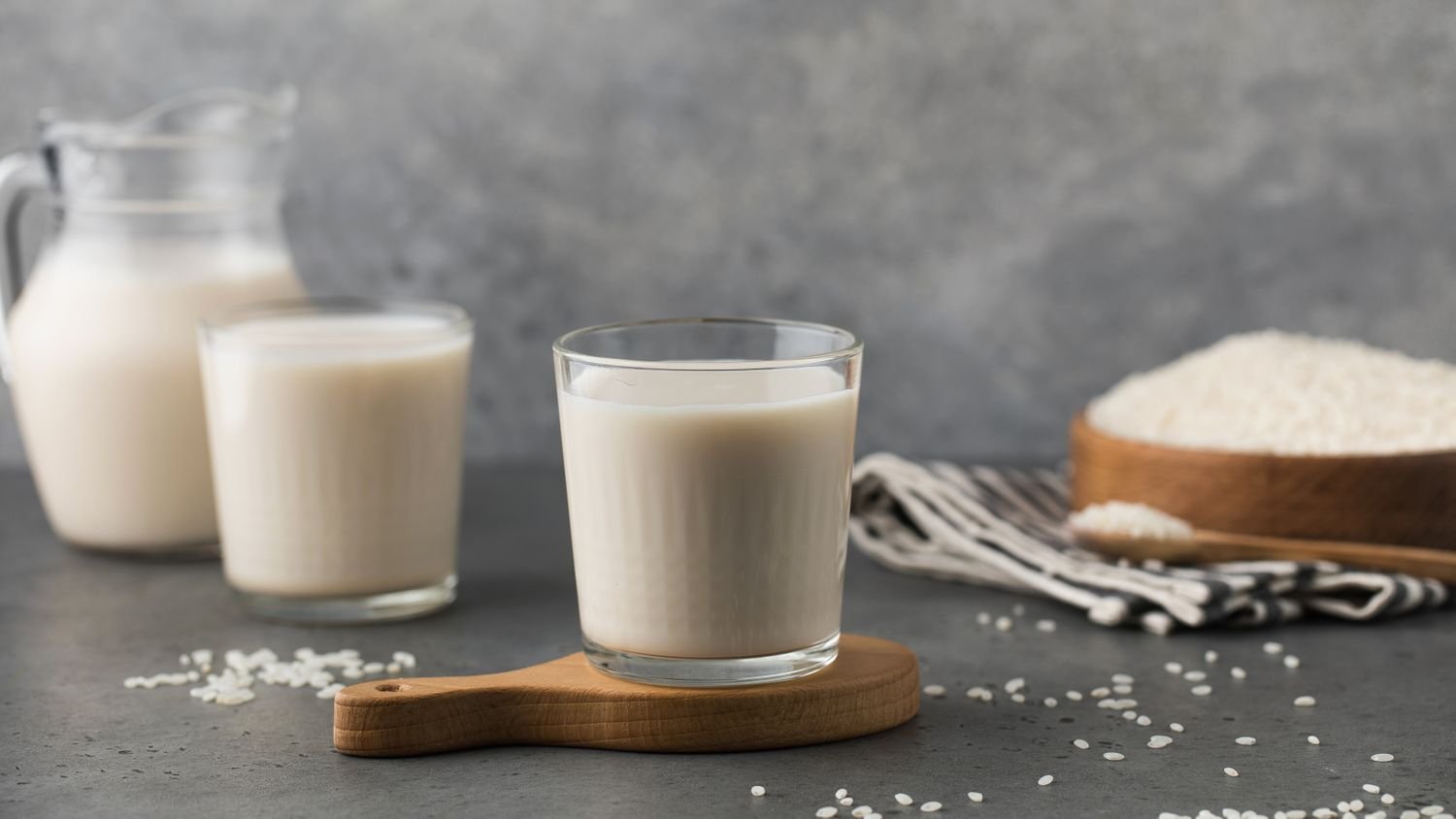
Rice milk is a plant-based milk alternative made by blending milled rice with water, then straining and often fortifying the liquid. Drinking rice milk regularly can affect your body in different ways depending on your overall diet and health, and the type of rice milk you choose.
1. Blood Sugar Levels May Increase
Rice milk tends to have more carbohydrates than many dairy milks: around 23 grams, including added sugars, per one-cup serving.
Its glycemic index (how fast it raises blood sugar) is higher than cow’s milk. Because of its carbs and sugar, rice milk may cause blood sugar levels to increase more than with lower-carb options. If you have diabetes or are watching your blood sugar, this is an important factor.
If you drink rice milk regularly, especially sweetened versions, and don’t also manage your total carbohydrate intake, you could see more fluctuations in your blood sugar.
2. May Have Fewer Symptoms of Dietary Intolerances
If you’re allergic to cow’s milk or have a lactose intolerance (trouble digesting milk sugars), rice milk can be a helpful option. It contains no lactose and avoids common allergenic proteins found in dairy, soy, or nuts that may be in other milks.
Since rice milk is free of cow-milk protein and lactose, you may experience fewer symptoms like bloating or digestive discomfort if you are lactose intolerant or allergic to dairy. It may serve as a safe dairy alternative in such cases.
3. Heart Health May Improve
Rice milk naturally contains very little saturated fat and no cholesterol. Being low in saturated fat and cholesterol-free makes it a heart-healthy swap for dairy milks that are higher in fat.
4. You May Miss Important Nutrients
Many commercial rice milk products are fortified with nutrients to more closely resemble cow’s milk. For example, one cup of fortified rice milk may provide significant amounts of calcium, vitamin D, vitamin A, and vitamin B12.
Even though fortified rice milks can approximate some of the nutrients in dairy milk, they typically do not match the protein, natural fat, and bioavailability profile of cow’s milk. If you rely exclusively on rice milk without compensating for what you’re missing from dairy elsewhere in your diet, you may miss important nutrients.
One of the biggest downsides of rice milk may be its low protein content. A typical serving may contain less than 1 gram of protein, compared with about 8 grams in cow’s milk. You may need to make sure your diet includes other good sources of protein if you drink rice milk regularly.
5. Potential Arsenic Exposure
Rice plants can take up arsenic from soil and water. Because rice milk is made from rice, there is some concern that regular and high consumption could increase exposure to arsenic, which may be especially dangerous for the development of infants and children.
Add It to a Balanced Diet
Regularly drinking rice milk as part of a balanced diet is generally a fine, healthy choice. That said, relying on it solely without attention to protein and overall nutrient variety may carry risks. Be sure to incorporate rice milk into a balanced diet with other foods that support your overall health.
:max_bytes(150000):strip_icc():format(webp)/Pe_Photographic_elements_photo_4004_65-03e93e03913047838bfa0ca549c75c8d.jpg)