dailynewsnblog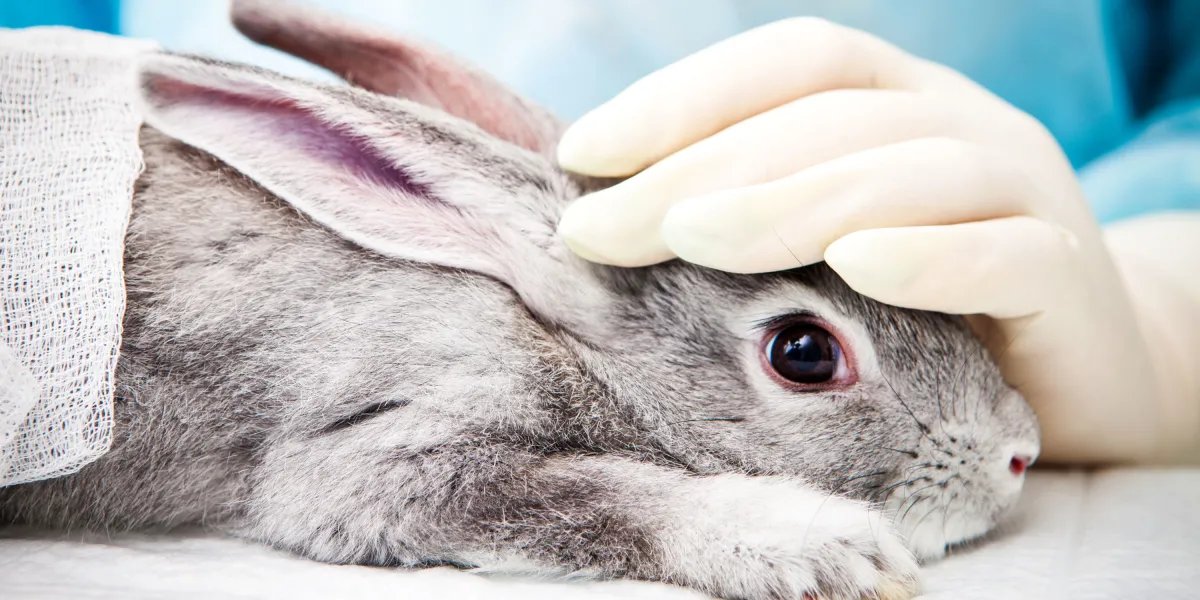
In the same vein, others have been working on creating model versions of organs—and even embryos—in the lab. By growing groups of cells into tiny 3D structures, scientists can study how organs develop and work, and even test drugs on them. They can even be personalized—if you take cells from someone, you should be able to model that person’s specific organs. Some researchers have even been able to create organoids of developing fetuses.
The UK government strategy mentions the promise of artificial intelligence, too. Many scientists have been quick to adopt AI as a tool to help them make sense of vast databases, and to find connections between genes, proteins and disease, for example. Others are using AI to design all-new drugs.
Those new drugs could potentially be tested on virtual humans. Not flesh-and-blood people, but digital reconstructions that live in a computer. Biomedical engineers have already created digital twins of organs. In ongoing trials, digital hearts are being used to guide surgeons on how—and where—to operate on real hearts.
When I spoke to Natalia Trayanova, the biomedical engineering professor behind this trial, she told me that her model could recommend regions of heart tissue to be burned off as part of treatment for atrial fibrillation. Her tool would normally suggest two or three regions but occasionally would recommend many more. “They just have to trust us,” she told me.
It is unlikely that we’ll completely phase out animal testing by 2030. The UK government acknowledges that animal testing is still required by lots of regulators, including the FDA, the European Medicines Agency, and the World Health Organization. And while alternatives to animal testing have come a long way, none of them perfectly capture how a living body will respond to a treatment.
At least not yet. Given all the progress that has been made in recent years, it’s not too hard to imagine a future without animal testing.
This article first appeared in The Checkup, MIT Technology Review’s weekly biotech newsletter. To receive it in your inbox every Thursday, and read articles like this first, sign up here.