dailynewsnblog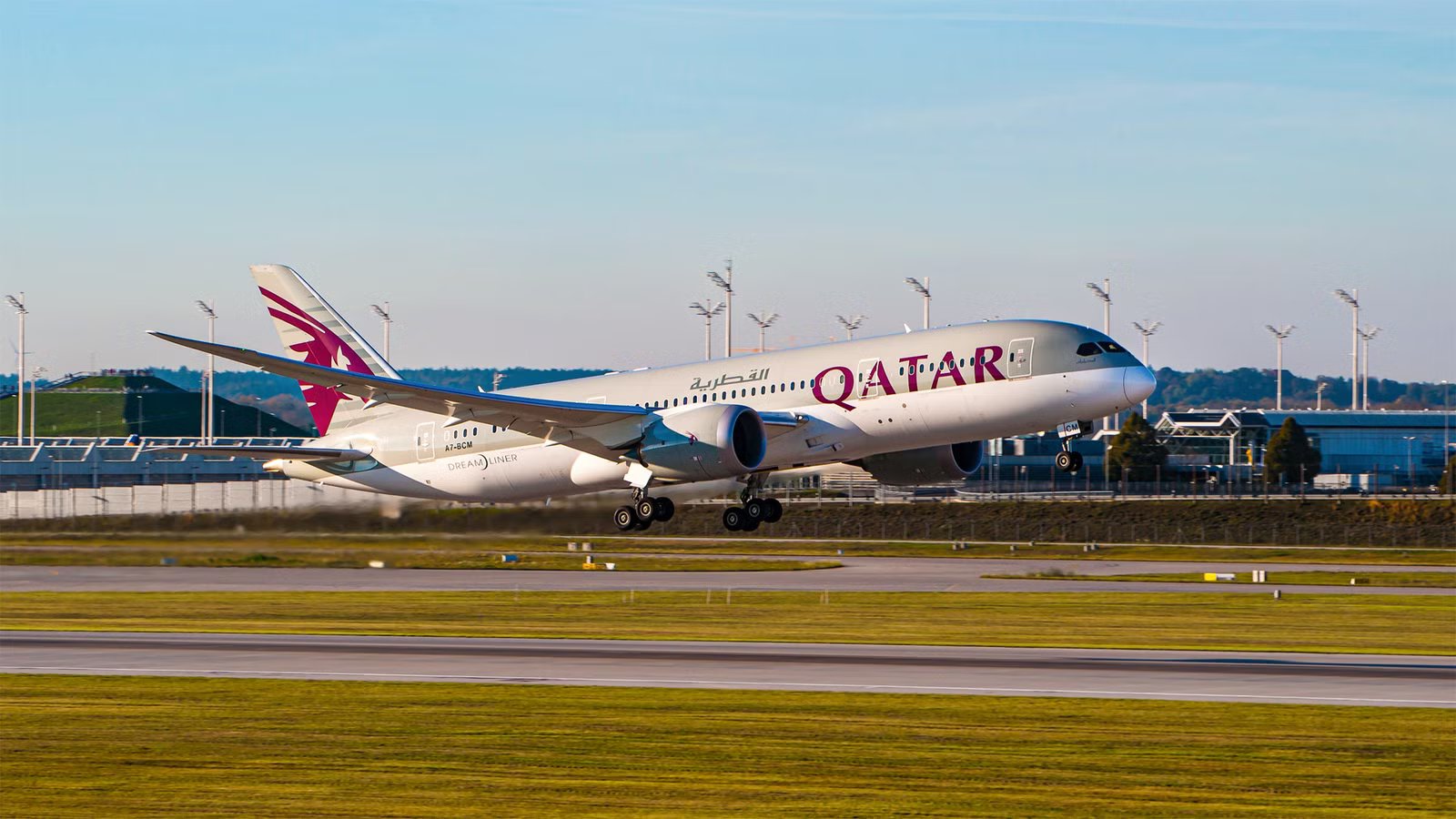
Recent years have seen astonishing advancements made in the efficiency of widebody aircraft. New jets like the Boeing 787 Dreamliner and Airbus A350 offer roughly 20% less fuel burn per seat than the outdated Boeing 777 or Airbus A330 models they have been designed to replace. Accessing these advancements is essential for carriers to keep up amid the combined demands of the coming net-zero era, given that fuel accounts for around 25% of a carrier’s costs. However, these jets are incredibly expensive, and only carriers with the means and will to modernize can access them.
Below, we have listed the seven most efficient operators from around the world, primarily based on the size of their fleets of modern jets, like the A350 and 787. Some thoughts should also be given to their investment in still-to-be-delivered modern aircraft, like the Boeing 777X. The carriers included are Lufthansa, Turkish Airlines, Delta Air Lines, Emirates, All Nippon Airways (ANA), Singapore Airlines, and Qatar Airways.
Lufthansa Group
This European carrier is currently undertaking a significant widebody modernization program

Lufthansa Group is set to be a key player in widebody efficiency in the coming years. Amid years of poor results, it wants to improve its jets’ productivity by 10-15%, so that Germany’s flag carrier can return to profitability. The widebody aircraft types slated for retirement by 2028 are the Airbus A340-600, A330-200, A340-300, and Boeing 767-300, 747-400 and 777-200. Outside of updating its widebody aircraft, the carrier is also set to reduce operational complexity in crewing, maintenance, and reserves.
Although Lufthansa is reducing the number of widebody types, it will increase its overall widebody numbers by 20% through over 230 new aircraft deliveries in the next four years. The carrier has notably bet on both the 777X and A350 as part of its fleet modernization strategy, partly owing to the huge variety of jets flown by Lufthansa that need to be replaced. The 777X provides a compelling alternative to the carrier’s 747-400s, but Lufthansa does not currently operate any 777s for passenger flights, meaning it lacks the infrastructure to support a huge 777X fleet. It has 20 passenger 777X orders. Meanwhile, the A350 offers a great replacement for smaller aircraft being retired, like Lufthansa’s A340s.
Turkish Airlines
This carrier has quietly built a vastly ambitious widebody program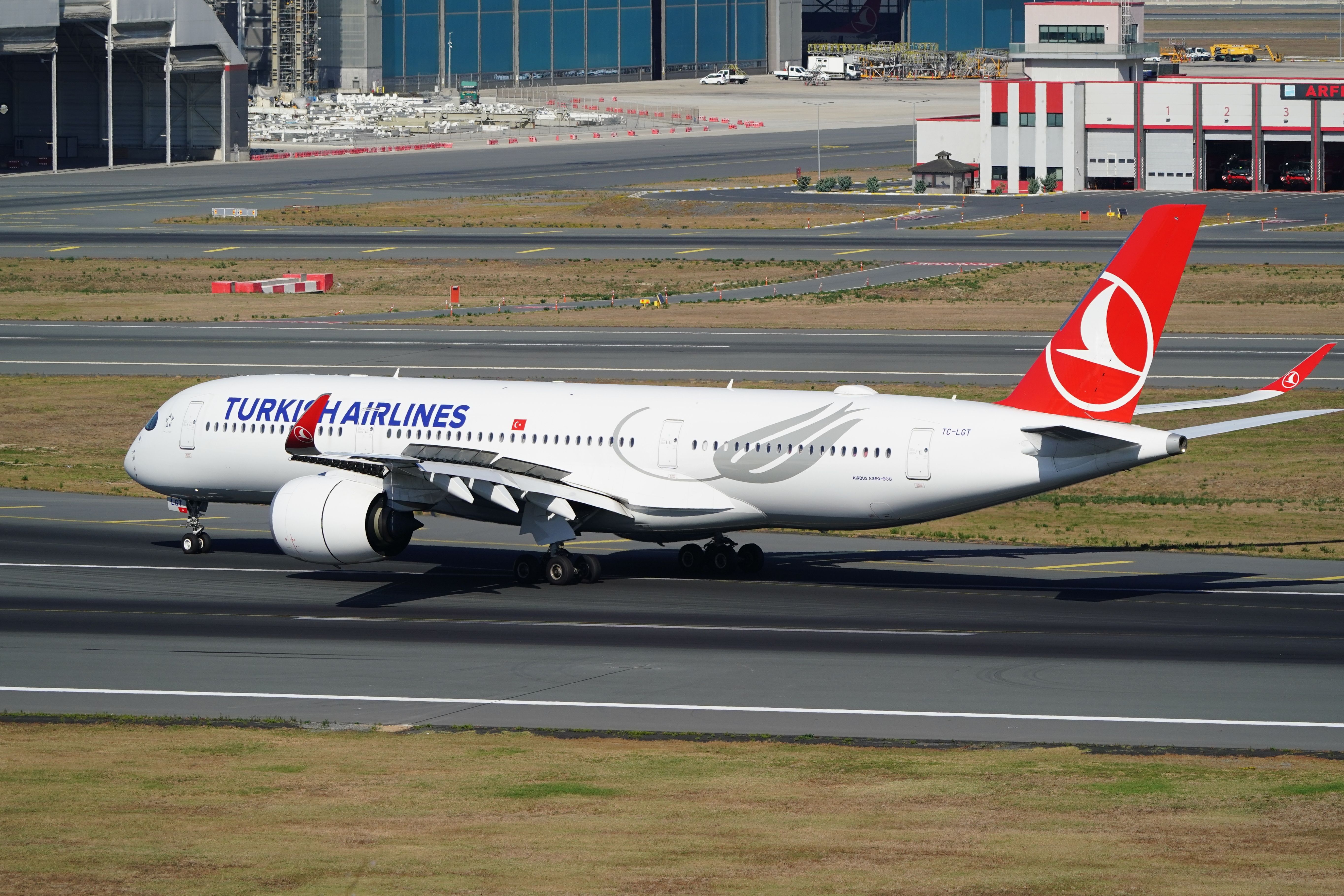
Turkish Airlines has quietly built one of the most ambitious next-generation widebody programs on the planet. Its fleet of 30 A350-900s is the youngest A350 fleet among major operators, with an average aircraft age of just 2.5 years. This fleet is set to grow substantially with an order of 110 A350s across all variants. Combined with orders for Boeing widebody aircraft, the carrier will have an incredibly modern widebody fleet of 250 jets by 2030.
Turkish Airlines’ widebody fleet modernization and expansion isn’t just about creating a more efficient network. The carrier is also using the opportunity to create premium cabin spaces that can generate increased revenue. Incoming A350s will have bespoke business class suites, bringing privacy doors to the Turkish network. A350-1000s will also have premium economy, a feature Turkish hopes will help it challenge Gulf carriers like Emirates. All classes will also feature WiFi and gate-to-gate streaming entertainment systems. Older airframes, including the carrier’s 777-300ERs, will also have their premium products upgraded through retrofits.

The 10 Largest Airline Operators Of The Airbus A350
The A350 has now turned ten, and many of the world’s largest operators of the type are ordering more of them.
Delta Air Lines
America’s most advanced carrier achieves fantastic reliability with its A350s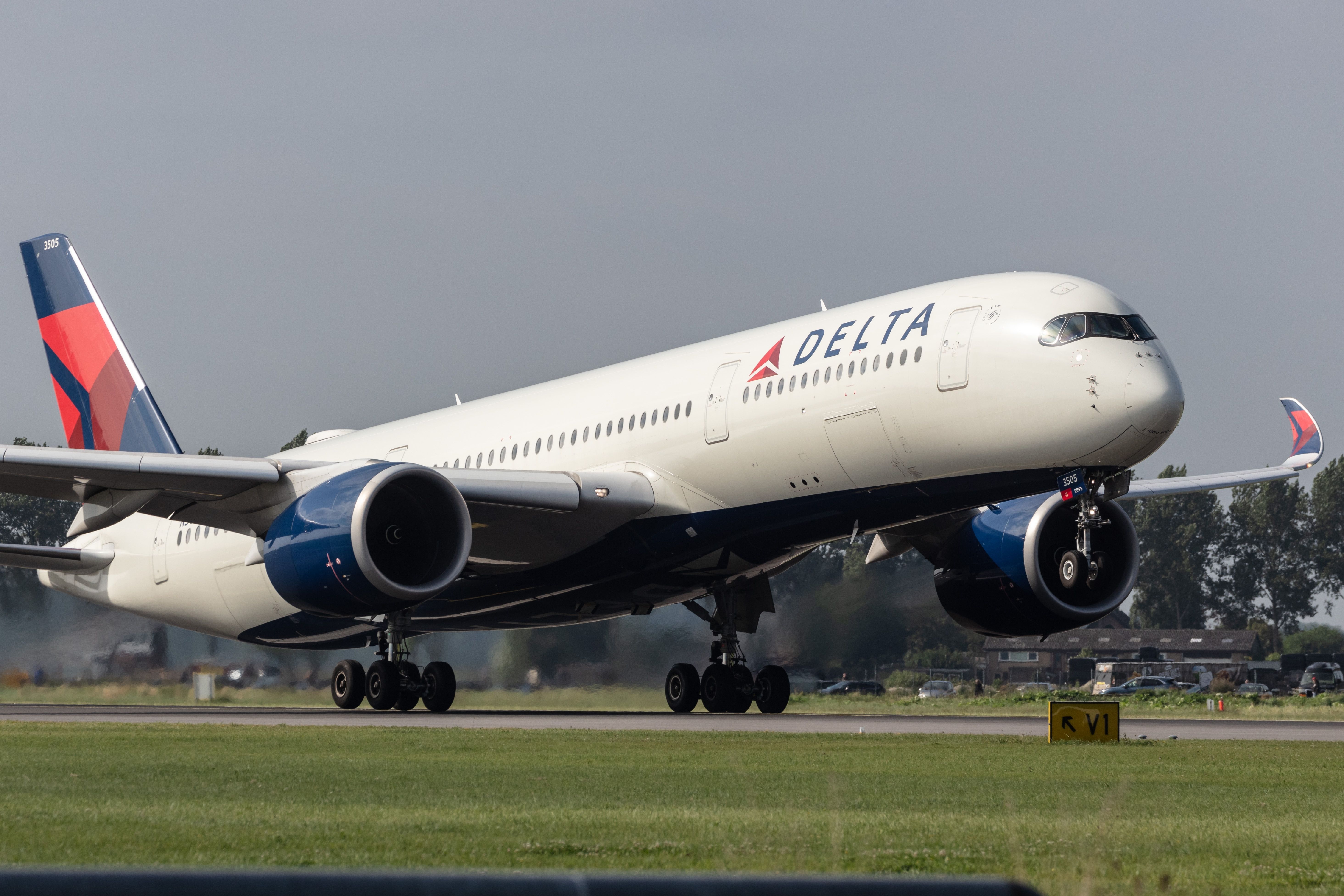
 Delta Air Lines stands out among U.S. carriers for its exclusive next-generation Airbus widebody fleet. The high prevalence of these modern jets has come with a dispatch reliability of 99% within the A350 fleet, which is particularly important as Delta seeks to expand its presence at slot-constrained airports like London Heathrow Airport (LHR) and Tokyo Haneda Airport (HND). This fleet includes 39 A350-900s, with an average age of 5.5 years, and additional deliveries are expected for both the A350-900 and -1000.
Beyond its modern fleet, Delta will also reduce its environmental impact by pioneering the use of sustainable aviation in North America. The carrier hopes to achieve 10% SAF usage by 2030, leveraging an ongoing partnership with Airbus.
Emirates
Despite still flying aging Airbus A380s, this carrier has an enormous modern widebody fleet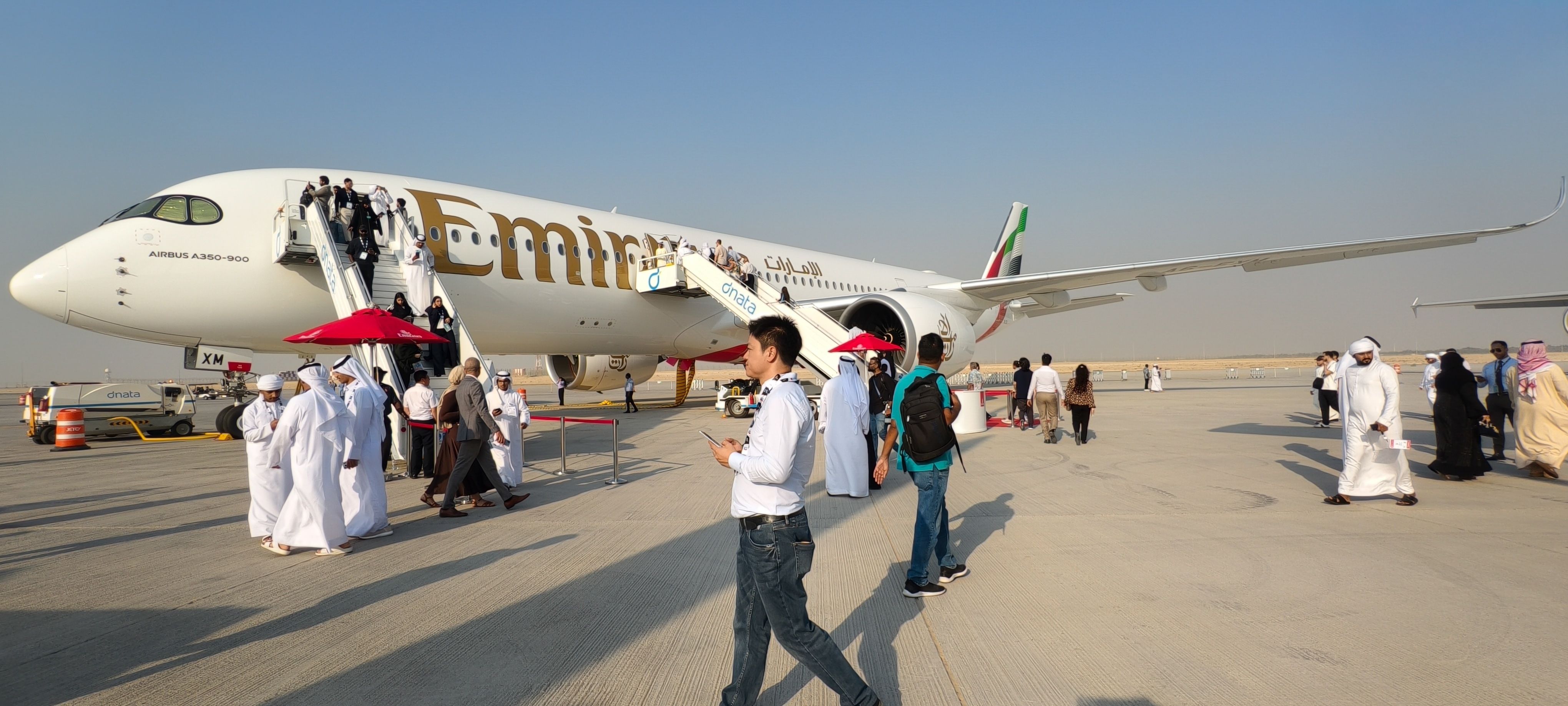
Emirates’ fleet modernization strategy is based on reducing its A380 usage to the largest and most slot-restricted hubs and filling capacity gaps with massive modern widebody orders. It currently has the largest order sheet for the 777X, with the carrier awaiting 270 of the jets.
While this jet gets increasingly delayed, Emirates is making do effectively with A350s (using 25% less fuel than the carrier’s 118 777-300ERs) and Boeing 787s. The former has been rolled out onto shorter routes like Dubai to Bali and Lisbon, which don’t push the aircraft to the limits of its range.
The table below shows the Emirates fleet in October 2025, making use of ch-aviation data:
|
Model |
Active |
Future |
|---|---|---|
|
A350-900 |
9 |
56 |
|
A380-800 |
92 |
None |
|
777-200F |
11 |
10 |
|
777-200LR |
9 |
None |
|
777-300 |
None |
None |
|
777-300ER |
118 |
None |
|
777-8 |
None |
35 |
|
777-9 |
None |
170 |
|
787-10 |
None |
15 |
|
787-8 |
None |
15 |
The main factor reducing Emirates’ efficiency is that it still flies a number of aging widebody aircraft. This includes 92 A380s, and 777-200LRs and 777-300ERs. This is necessitated by the enormous capacity Emirates must serve and the extreme challenges of rapidly replacing its older aircraft with newer examples.
All Nippon Airways (ANA)
This Japanese carrier committed early and heavily to the Dreamliner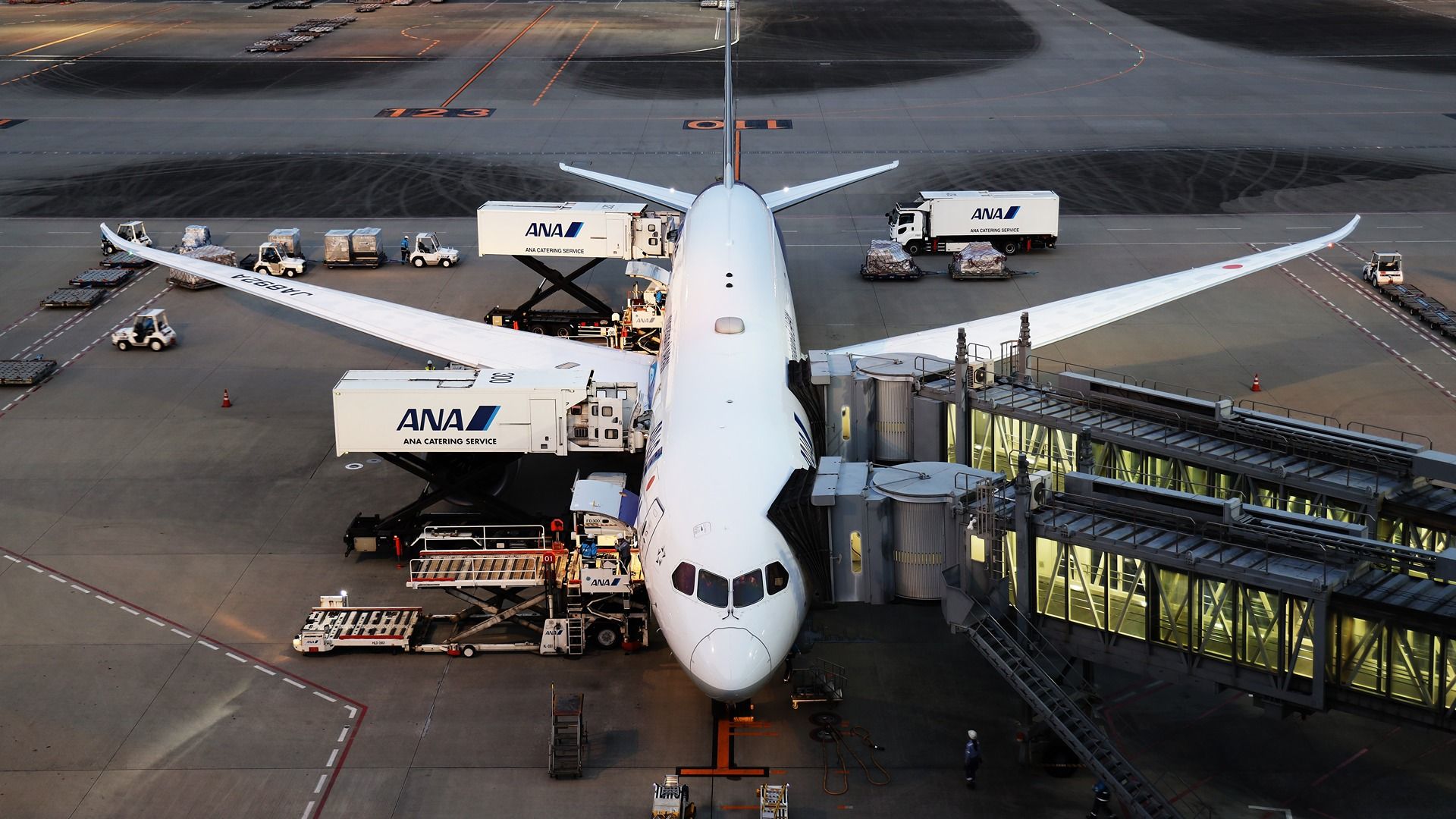
ANA was the launch customer for the 787 in 2004, receiving the first example of the jet in 2011. It has built its modern widebody fleet around this workhorse. It has 88 examples of this aircraft, with another six on order. That makes ANA the owner of the world’s largest Dreamliner fleet.
The Dreamliner’s flexibility allows ANA to simultaneously serve its longest international routes, including Tokyo to Houston and Brussels, while maintaining its highest frequency and capacity on its highest-frequency, capacity-demanding domestic trunk routes. The carrier’s 787-9 and -10 are perfect for the longer routes to the US East Coast and Europe, while the 787-8 is most commonly used domestically.
The table below shows the state of the ANA’s 787 fleet in 2025:
|
Variant |
Active |
Inactive |
Wet-Leased |
Total |
On Order |
|
787-10 |
10 |
None |
None |
10 |
2 |
|
787-8 |
29 |
5 |
None |
34 |
None |
|
787-9 |
38 |
5 |
1 |
44 |
4 |
|
Total |
77 |
10 |
1 |
88 |
6 |
Outside its 787 fleet, ANA lacks modern, efficient widebody twinjets. Among its fleet are three Airbus A380 and aging Boeing 777s and 767s.

Should All Nippon Airways Retire The Airbus A380?
On Thursday, I reported that All Nippon Airways’ Airbus A380s flew nearly half empty to Honolulu on average last year. The Tokyo Narita to Honolulu route is the only service the A380s fly on, and are meant to cater to the high demand for the connection. However, it seems that the A380 might be just a little bit too big.
That’s great for the customer. Fewer passengers means more choice of seat and space to stretch your legs – even in economy class. However, is it worth it from the standpoint of ANA? Well, we can’t really tell.
Load factors do provide an indication of how easily a carrier is able to fill its seats, but they provide no indication of yields and hence, overall profitability. In other words, for now it’s a guessing game.
What do you think, though? Was the Airbus A380 a good choice for ANA?
Singapore Airlines
This Asian carrier combines modern jets with bespoke modifications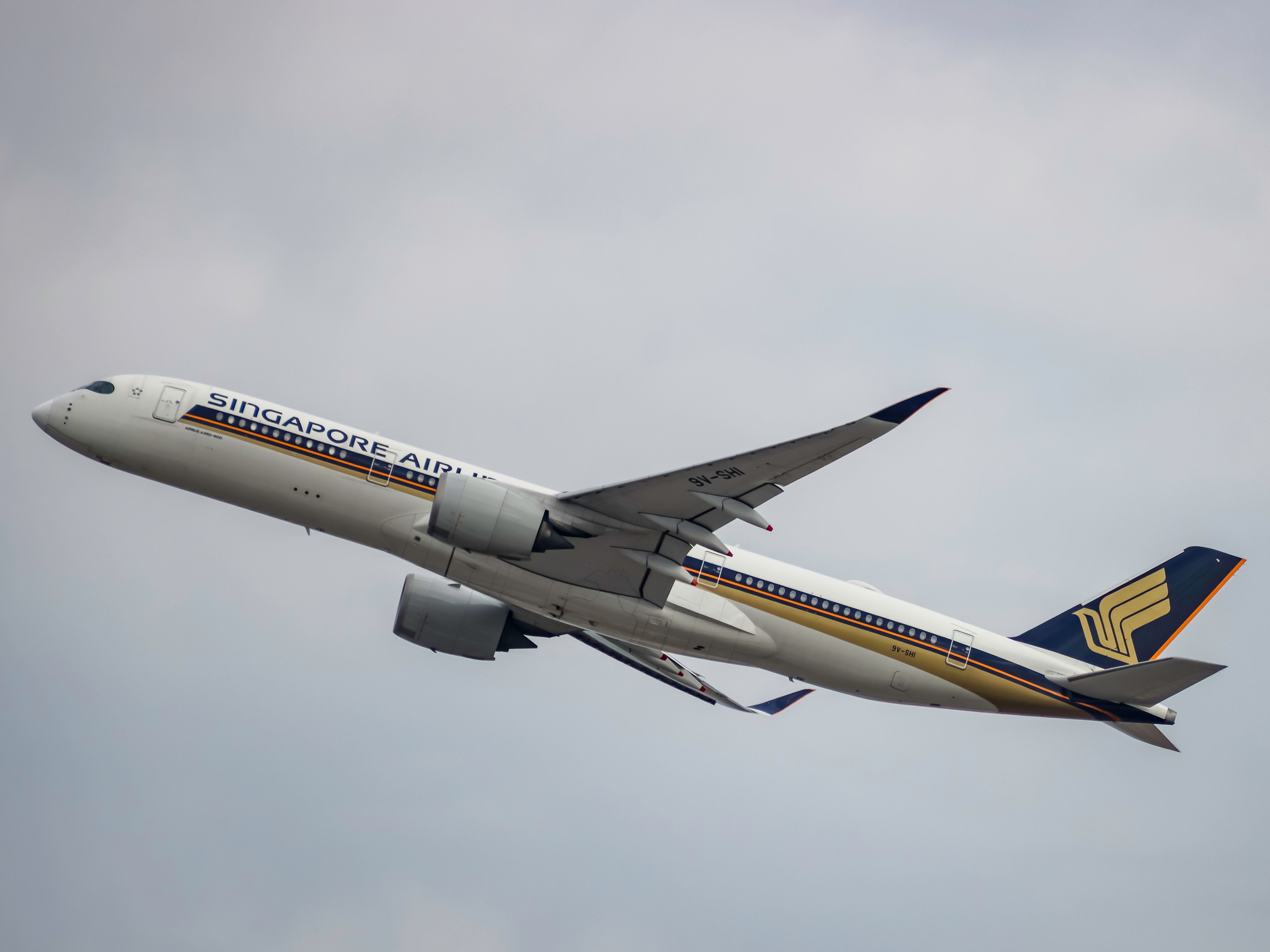
Singapore Airlines has East Asia’s most efficient widebody fleet, built around its young A350s and 787-10s, offering 25 to 30% better fuel efficiency than older aircraft. Singapore’s fleet of the former is the world’s largest at 65 aircraft. Its order for seven A350Fs will also allow Singapore’s widebody cargo fleet to become one of the world’s most efficient.
Singapore matches the size of its A350 fleet with historic innovations. The most noteworthy example is the A350-900ULR, a subvariant that features modifications like a lack of economy class and larger fuel tanks to increase the jet’s range to over 9,000 nautical miles (16,700 km). City pairs like Singapore to New York can now be connected without requiring gas-guzzling quadjets like the A380. Speaking to Business Insider about the importance of the A350-900ULR, Singapore’s representatives said, “It is the only one that is, in our view, capable of doing this mission economically.”
Qatar Airways
This carrier has a vast number of Dreamliners and A350s in service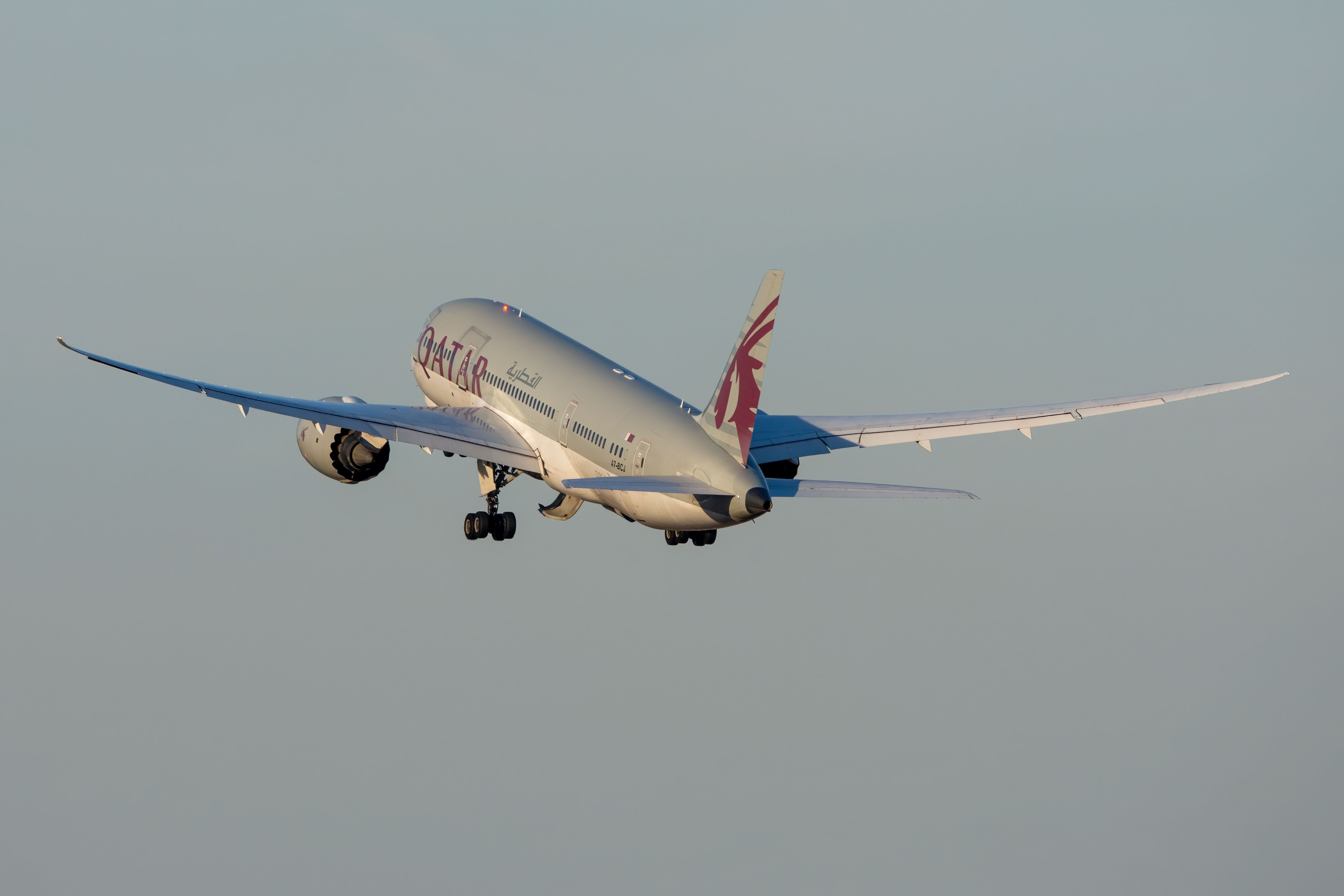
Qatar Airways, an incredibly efficient Middle Eastern airline, is another carrier building its long-haul capabilities around young Dreamliners and A350s. The carrier has 75 of them, with the aircraft averaging just six years old. This is a strategy that Qatar has shown incredible commitment to. In 2025, Qatar made a monumental order for over 200 Boeing widebody jets, which included 130 787s. This order, placed during a presidential visit by Donald Trump, was worth around $96 billion in list prices. “Kelly’s telling me from Boeing that it’s the largest order of jets in the history of Boeing. That’s pretty good. […] That’s a record, Kelly, and congratulations to Boeing. Get those planes out there, get them out there,” said Trump. Qatar also has 14 A350-1000s on its order sheet.
Qatar’s widebody cargo fleet has not yet been able to match its passenger fleet’s efficiency. Qatar Airways Cargo is the world’s largest international freight carrier, including 28 777Fs and two 747-8Fs. However, the carrier has also made a sizable order of 34 777-8Fs, which should help its freight service catch up, although it remains unclear when these jets will start arriving.