dailynewsnblog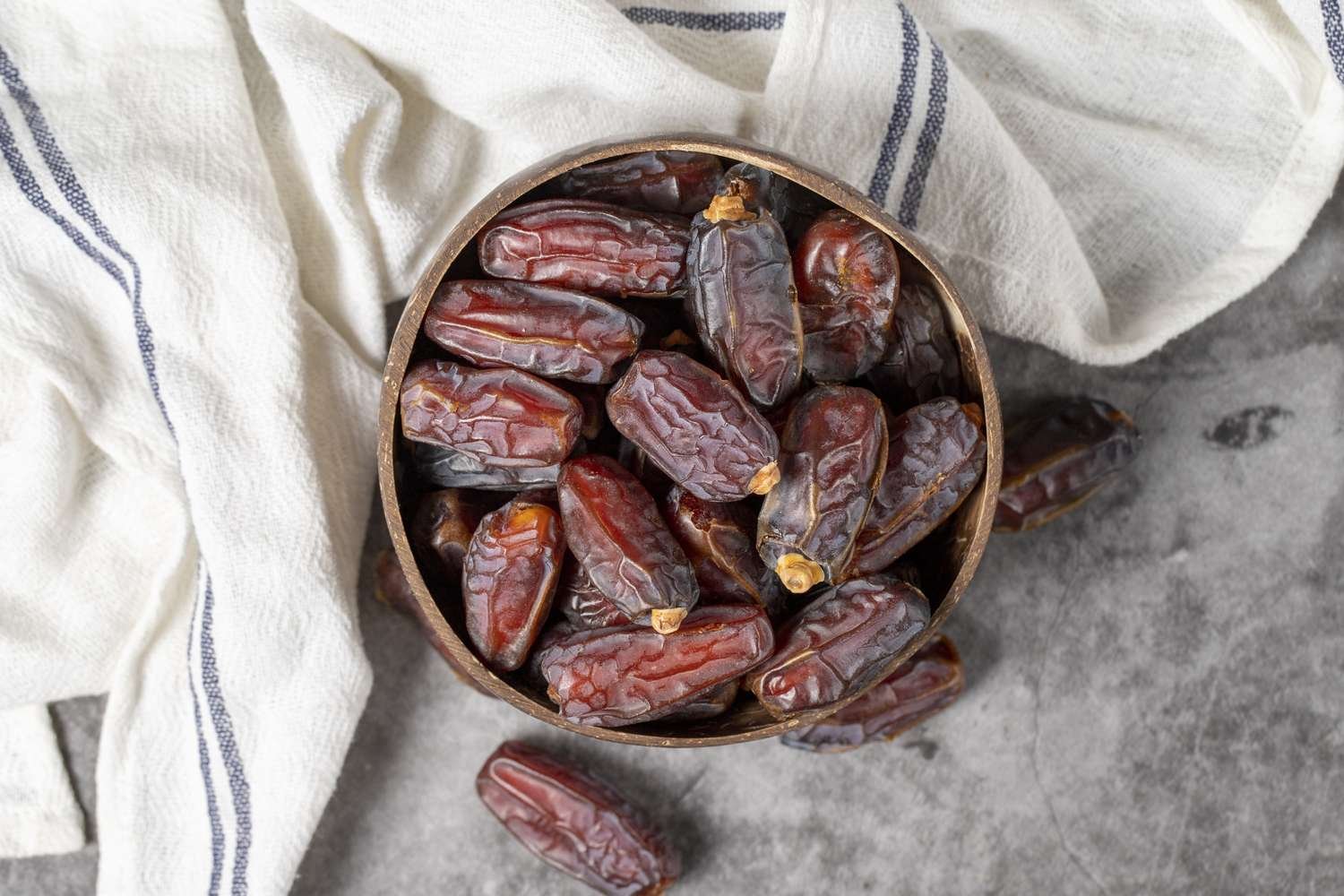
Dates are a sweet, fiber-rich food, with about 1.6 grams (g) of fiber per date—around 5% of the recommended daily intake, which is 25 grams for women and 38 grams for men. Fiber is a type of carbohydrate found in plant foods that supports digestion, balances blood sugar and cholesterol, and helps you feel full after eating.
1. Navy Beans
sasimoto / Getty Images
Fiber content: 19 g per cooked cup
Navy beans (named for their early use in the military, not their color) are small white beans with a creamy texture and mild flavor. One cup of cooked navy beans provides more than 19 grams of soluble and insoluble fiber—over six times the amount found in one date. Navy beans are also an excellent source of plant-based protein, folate, and iron.
You can add navy beans to soups, stews, or salads, or mash them into dips and spreads for a simple way to increase your fiber intake.
2. Lentils
Liudmila Chernetska / Getty Images
Fiber content: 15.6 g per cooked cup
Lentils are legumes that come in several textures, flavors, and colors, including brown, green, red, and black. One cup of cooked lentils provides about 15 grams of fiber—five times more than a single date. They’re also rich in protein, folate, and minerals like iron and magnesium.
You can add lentils to stews, soups, and salads for a nutritious boost, mix them into pasta dishes, or use them as a base for vegetarian tacos.
3. Avocado
Narong KHUEANKAEW / Getty Images
Fiber content: 14 g per whole avocado
Avocados are creamy, butter-smooth fruits packed with fiber and heart-healthy monounsaturated fats. One whole avocado provides about 14 grams of fiber, including soluble and insoluble types that support digestion, help manage cholesterol, and keep you feeling full. In addition to fiber, avocados also contain potassium, folate, and protein.
Avocados are versatile; you can mash avocado on toast, add slices to sandwiches and burgers, or toss them in salads. You can also blend avocado into smoothies for added creaminess, use it as a base for chocolate mousse, or enjoy it straight with a sprinkle of salt.
4. Chia Seeds
olhakozachenko / Getty Images
Fiber content: 11 g per ounce (about two tablespoons)
Chia seeds are tiny black or white seeds that absorb liquid and expand into a gel. This gel-like soluble fiber slows digestion, helps steady blood sugar levels, and keeps you feeling full. Despite their small size, one tablespoon of chia seeds provides approximately 20% of your recommended daily fiber intake. They’re also rich in healthy fats and antioxidants.
Sprinkle them over yogurt, oatmeal, or smoothie bowls, or make chia pudding by soaking them in milk or a dairy-free alternative overnight. You can also mix them into pancake batter or baked goods, such as muffins, for a fiber boost.
5. Raspberries
bhofack2 / Getty Images
Fiber content: 8 g per cup
Raspberries are an excellent choice for their high fiber content. One cup contains approximately eight grams of fiber, which is roughly 30% of your recommended daily intake. Raspberries are low in calories, and their powerful antioxidants actively protect your body’s cells from damage and help fight off disease.
Enjoy fresh raspberries as a snack, add them to salads, or blend them into smoothies. You can also top oatmeal, cereal, or yogurt with raspberries, or fold them into baked goods like muffins and pancakes.
6. Pears (With Skin)
Casiana Nita / 500px / Getty Images
Fiber content: 6 g per medium pear
Pears are sweet fruits with a grainy texture. To truly boost your fiber intake, eat pears with the skin on, as most of the fiber is in the skin. The pears’ skin contains pectin, a type of soluble fiber that actively supports healthy digestion and heart function.
Enjoy pears fresh as a snack, slice them into salads, or bake them with cinnamon for a healthy dessert. You can also chop pears and add them to oatmeal, yogurt parfaits, or smoothies.
:max_bytes(150000):strip_icc():format(webp)/ScreenShot2020-09-29at10.46.05AM-8b2f4ab0e9404529a4ab1e3bc782c78c.png)