dailynewsnblog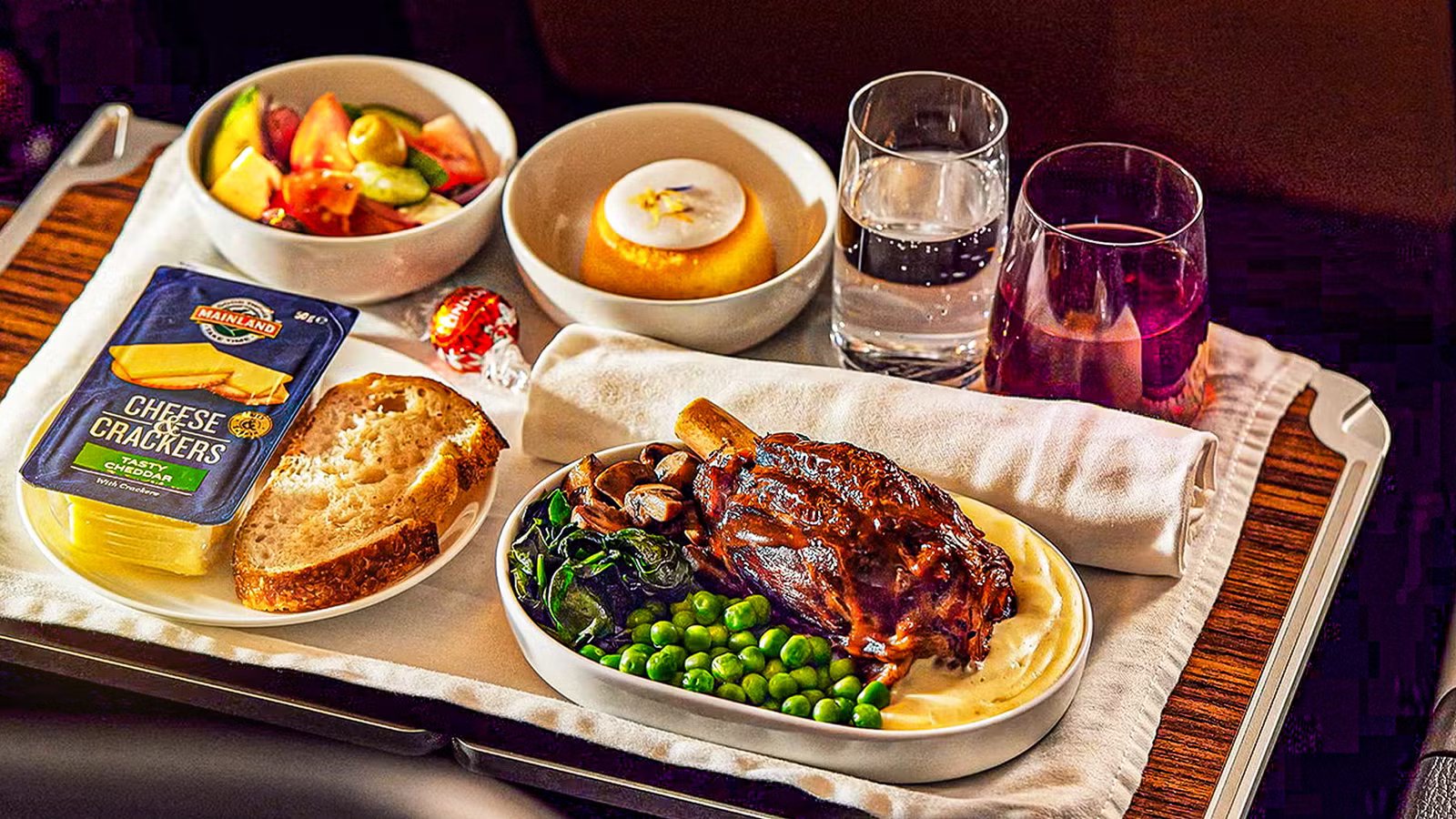
In 2026, premium economy is no longer defined solely by a few extra inches of seat pitch to make long-haul flights more comfortable; it has become one of the most strategically important cabins in long-haul aviation, particularly on high-demand transatlantic and transpacific routes linking the United States with Europe, Asia, and Australia. Across fleets such as the Airbus A350 and Boeing 787 Dreamliner, premium economy seats now typically offer 38 inches of pitch, widths of up to 19.5 inches, and dedicated cabin service flows. Yet increasingly, it is the dining experience, and not only the seat, that determines whether an airline truly stands out.
Based on recent product disclosures, airline announcements, and verified reporting from various sources, including official airline websites and travelers’ reviews, this analysis ranks six airlines on five key factors: culinary innovation, presentation quality, beverage program, service flexibility, and consistency across routes. Although seat comfort remains the foundation of premium economy, these airlines have further elevated the experience by introducing chef-designed menus, real tableware, and personalized dining options that were once exclusive to business class.
Fasten your seatbelts and prepare for a different kind of journey, where the in-flight experience begins not just with extra legroom, but with thoughtfully plated meals, curated wines, and restaurant-style service in the sky. In our selection of premium economy cabins, travelers can expect flavors that rival fine dining, transforming long-haul flights into a more immersive and enjoyable experience from takeoff to landing.
Cathay Pacific
A culturally grounded dining experience with thoughtful in-flight comfort

Cathay Pacific’s premium economy offering reflects the airline’s broader philosophy: understated, consistent, and rooted in cultural identity. While many competitors focus on luxury signaling, Cathay Pacific emphasizes a refined blend of Cantonese cuisine and international dishes, creating a menu that feels authentic rather than overly curated for global appeal. On long-haul flights between Hong Kong and North America, this approach resonates strongly with passengers seeking familiarity and quality.
A defining feature of the experience is the airline’s mid-flight service, which offers warm egg tarts and fresh pastries during quieter periods in the cabin. This detail, highlighted in both Ovago and The Alviator reviews, adds a layer of comfort that goes beyond traditional meal cycles. It reflects a hospitality mindset that prioritizes passenger well-being over rigid service structures.
From a comfort perspective, Cathay Pacific’s premium economy seats, particularly on the Airbus A350, offer a generous recline, adjustable leg rests, and improved cabin spacing compared to economy. However, the airline ranks sixth because, while its dining is consistent and culturally rich, it lacks the Champagne service, designer tableware, and culinary innovation that define higher-ranked competitors we are going to cover next.
Emirates
Elevated presentation paired with one of the most comfortable cabins

 Emirates has long been considered one of the best airlines in many respects, and it has positioned its premium economy as a visually premium product, blending comfort and presentation into a cohesive experience. Meals are served on real china from Royal Doulton, complemented by stainless steel cutlery and proper glassware – the attributes once exclusive to business class. This level of presentation, which is very rare in premium economy, is a defining strength and is consistently highlighted in Ovago’s rankings.
The service begins with a pre-departure beverage, often including sparkling wine, which sets a tone closer to business class than economy. Once airborne, the meal service is structured and polished, with careful plating and consistent delivery across routes. Emirates’ attention to visual detail ensures that the dining experience feels premium from start to finish.
Beyond dining, Emirates’ premium economy seat has received significant recognition, including a 2025 Skytrax award for the most comfortable seat in its class, as previously reported by Simple Flying. With wide seats, deep recline, and leg rests, the cabin itself enhances the overall experience. However, Emirates ranks fifth because its culinary offering, while well-executed, lacks the innovation and personalization seen further up this list.

The Striking Differences Between Premium Economy & Economy On Long-Haul Flights
Premium economy is gaining popularity all around the world, as passengers are spending more on travel.
Qantas
Flexibility and long-haul comfort define the experience

Qantas has built its premium economy dining around one key principle: flexibility. On ultra-long-haul routes such as Perth to London or Dallas to Sydney, passengers are not confined to rigid meal schedules. Instead, the airline offers an extensive on-demand dining menu between main services, allowing travelers to eat when it suits their body clock, which is a crucial advantage on flights exceeding 15 hours.
The main meal service is equally refined, with multi-course dining presented on custom tableware. Qantas emphasizes fresh, seasonal ingredients sourced from Australia, giving the menu a strong regional identity. According to Ovago and The Alviator, this approach is one of the most passenger-friendly in premium economy.
Comfort is another area where Qantas excels. Its premium economy seats offer generous recline, supportive cushioning, and adjustable leg rests, making them well-suited for ultra-long-haul travel. The airline’s “Sommeliers in the Sky” program further enhances the experience, with carefully curated wine selections that complement onboard meals. Qantas ranks fourth because, while highly functional and passenger-focused, it lacks the luxury branding and culinary prestige of the top three.
Singapore Airlines
Precision, personalization, and consistently high standards

 Singapore Airlines, another airline that often ranks near the top in various travel rankings, combines technical precision with passenger-focused innovation, making it one of the most reliable premium economy products in the world. Its “Book the Cook” program allows passengers to pre-select meals before departure, ensuring both availability and personalization. This feature, as described on the official website with a detailed menu, remains one of the most advanced dining options in this cabin class.
Meals are served on porcelain tableware, with a level of presentation that reinforces the airline’s premium positioning. Complimentary Champagne adds another layer of refinement, placing Singapore Airlines among a select group offering this feature in premium economy. The service flow is smooth and efficient, reflecting the airline’s reputation for consistency.
From a comfort standpoint, Singapore Airlines’ premium economy seats are among the widest in the industry, as noted in Simple Flying’s 2026 cabin analysis. With enhanced recline, calf rests, and large entertainment screens, the cabin complements the dining experience effectively. It ranks third because, while highly polished, it lacks the culinary distinctiveness of Air France and the all-round balance of Virgin Atlantic, the winners of our ranking.
Air France
Michelin-starred innovation meets European cabin refinement

 Air France has taken a bold step in redefining premium economy dining by introducing a partnership with Michelin-starred chef Frédéric Simonin. Launched in February 2026 on North American routes, this collaboration brings fine-dining techniques to a cabin class traditionally focused on comfort and not luxury restaurant-style gastronomy.
The menu includes French haute-cuisine dishes such as scallops with tapioca pearl sauce, demonstrating a level of creativity and precision rarely seen outside business class. On every flight, there is a vegetarian and vegan-friendly food option available. According to Business Traveller and Air France’s corporate communications, all meals are complemented by Champagne, stainless steel cutlery, eco-friendly tableware, and desserts.
The cabin itself reinforces this premium positioning. Air France’s premium economy seats offer a fixed-shell design, enhanced privacy, and upgraded materials compared to economy. However, the airline ranks second because this elevated dining experience is still being rolled out across select routes. While arguably the most innovative, it does not yet match the global consistency of the top-ranked airline.

5 Things Passengers Don’t Know About Premium Economy
The cabin continues to become increasingly popular.
Virgin Atlantic
The most complete balance of comfort, service, and dining

Virgin Atlantic leads our ranking by delivering the most balanced premium economy experience across all five evaluation criteria, and according to the passenger reviews on TripAdvisor. Dining is served on Royal Doulton china, immediately elevating the presentation. The menu is also varied, offering the best of British and Italian cuisines, as well as snacks and cocktails. This attention to detail is typically associated with business class but is standard in Virgin Atlantic’s premium economy cabin.
The airline’s beverage program is a major differentiator. Passengers are offered sparkling wine and selections from the airline’s business class cellar, creating a clear sense of value and exclusivity. Virgin Atlantic was also named the World’s Best Premium Economy Class by Skytrax in 2025, reflecting its overall product strength.
Comfort plays an equally important role. Virgin Atlantic’s premium economy seats offer generous pitch, wide seating surfaces, and a well-designed cabin layout that enhances both privacy and service efficiency. Combined with consistent dining quality and strong branding, this creates a cohesive experience that stands out across long-haul routes. Unlike competitors that excel in specific areas, Virgin Atlantic delivers across all categories—making it the clear leader in premium economy dining in 2026.
In 2026, premium economy has matured into a fully differentiated and very much appreciated product, where comfort and dining are equally important in shaping the passenger experience. As airlines continue to invest in this cabin, the gap between premium economy and business class is narrowing, particularly in onboard dining.
For travelers, especially those flying long-haul to and from the United States, this evolution offers a compelling middle ground: a cabin that delivers meaningful comfort upgrades alongside a dining experience that is increasingly refined, personalized, and memorable, without the business-class price tag.