dailynewsnblog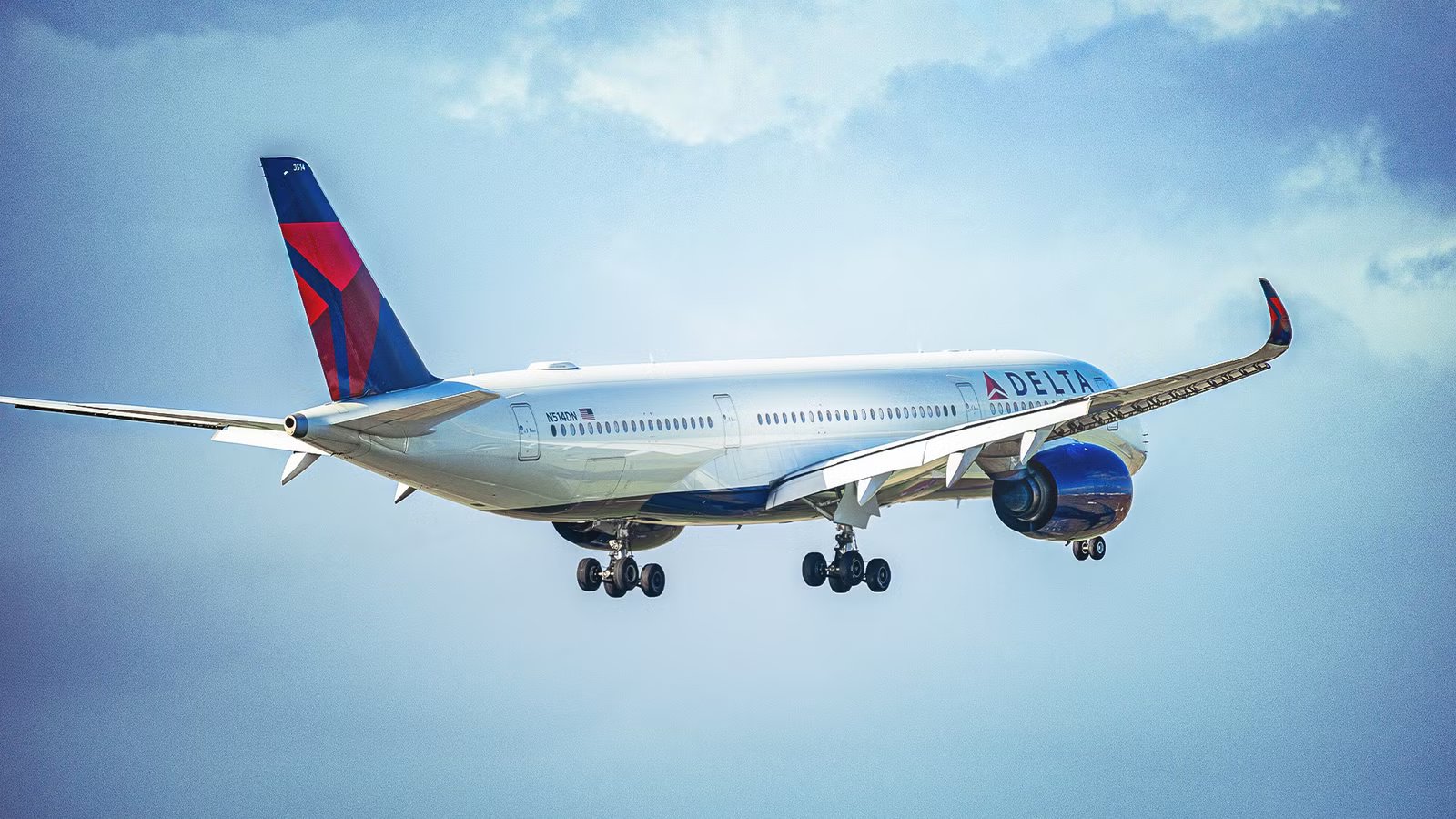
The world of ultra long haul flying is a unique space of commercial aircraft engineering. This niche mission set is fulfilled by jetliners with the most extreme performance, but also meticulously crafted aerodynamics and engines designed for ultimate fuel efficiency. Every system in these widebody airliners has been carefully refined to achieve the maximum range possible. Each is also made to deliver a smooth ride that makes 15 to 20-hour flights a pleasant journey and not just a long ride from point A to point B.
6
Boeing 787-9 Dreamliner
7,635 nautical miles

The 787 Dreamliner family is famous for being the best-selling widebody jet in the history of commercial aviation. The aircraft was the first clean sheet design from  Boeing in decades when the 787-8 debuted in 2013. Shortly after, the 787-9 would be inducted into revenue service, and it quickly became very popular as the ‘sweet spot’ of the 787 family, offering 450 nautical miles more range than the smaller 787-8 and roughly 1,200 nautical miles more than the higher-capacity 787-10.
The jet is credited with opening up hundreds of new or previously canceled ‘long and thin’ routes to destinations with moderate, but valuable, traffic over long distances. There is a novel nuance in the technology that makes the 787-9 Dreamliner capable of its impressive range. While it is often stated that the aircraft is constructed of 50% composite material, the volume of the airframe structures is 80% carbon fiber reinforced plastic. This means a total of 45% of the aircraft’s weight is CFRP, which is the key that allows it to fly exceptionally long range for its size and fuel capacity.
The aerodynamics of the jet are also crucial to its marathon flying performance. The 787-9 features long, thin wings that can flex up to 25 feet during flight. This flexibility allows the wings to maintain an optimal angle of attack to reduce fuel burn. Instead of traditional vertical winglets, the 787-9 uses raked tips to decrease vortex drag and improve climb performance.
Equally vital to the overall fuel efficiency and range of the jet are the engines that power it. Airlines choose between the General Electric GEnx and the Rolls-Royce Trent 1000. Both are high-bypass turbofans that use approximately 20–25% less fuel than the engines they replaced. Regardless of the engine choice, all Dreamliners have an innovative ‘bleedless’ system that uses electricity for cabin pressurization and de-icing. That takes mechanical load off the engines and improves their fuel consumption by 5% to 7%, depending on the flight conditions.
5
Airbus A350-900
8,500 nautical miles

Airbus was caught off guard when the 787 debuted. The European planemaker had not yet begun a serious next-generation widebody program to replace the A330 and was only in the midst of a modernization program for the legacy airframe. The aerospace juggernaut would catch up quickly with the A350 debut two years later in 2015. The A350-900 is the smaller of the two models available and very popular for its excellent range relative to seating capacity, payload, and fuel burn.
Although both the A350 and 787 use a large amount of composite material in their construction, Airbus took a slightly different approach. The A350 has 70% composite material throughout its airframe, but the fuselage is not made of gigantic barrel pieces like the Dreamliner. The jet instead uses panels attached to a more traditional metallic frame.
One thing both the A350 and Dreamliner have in common is a massive amount of wing flex in flight. The crew of an A350 can make minute changes to the position of the flaps in flight to optimize the wings’ profile for maximum fuel efficiency in cruise. The distinctive ‘Sharklet’ wingtips reduce vortex drag, specifically boosting performance on long-haul itineraries.
The Rolls-Royce Trent XWB engines were developed exclusively for the A350 and are currently among the most efficient large turbofan engines in service. The XWB-84 found on the A350-900 provides 84,000 lbs of thrust while using a three-shaft architecture and advanced cooling to maintain efficiency on 15+ hour flights.
4
Boeing 777-200LR
8,555 nautical miles

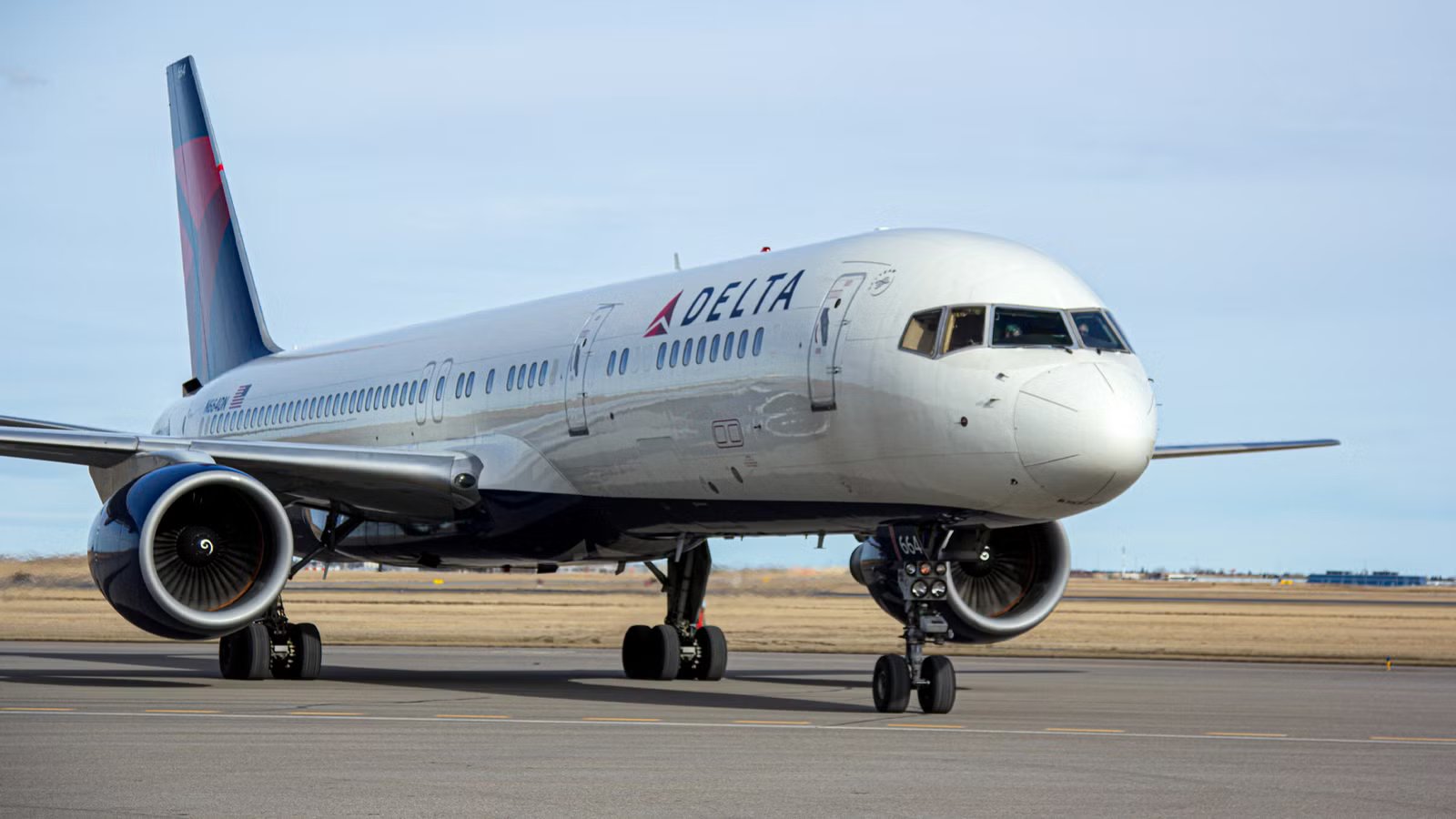
The Worldliner, as the Boeing 777-200 ‘longer range’ is known, is the oldest aircraft on this list, yet it firmly claims third position even after two decades of commercial service. While it entered service in 2006, it remains competitive because it was over-engineered for endurance, trading off payload for a massive fuel capacity that still rivals modern jets.
It carries significantly more cargo than the 787-9, which makes it more profitable on ‘long and heavy’ routes where cargo revenue is as critical as passenger airfare to the bottom line. It was not a particularly well-selling variant of the ‘Triple Seven’ family owing to its niche design. Yet, the operators that did choose it have stood by the aircraft and modernized it over the years to where they are virtually indistinguishable from a newer 787 or A350.
It features three optional auxiliary fuel tanks in the rear cargo hold. This increases its total fuel capacity to over 200,000 liters, allowing it to fly for up to 19 hours nonstop. To handle the weight of the extra fuel, Boeing strengthened the fuselage, landing gear, and wing spar. It even has the same wing as the larger 777-300ER.
In November 2005, a 777-200LR set the Guinness World Record for the longest nonstop flight by a commercial airliner. It flew 11,664 nautical miles (21,602 km) eastbound from Hong Kong to London in 22 hours and 42 minutes. It is powered by two General Electric GE90-110B1/115B engines, which put out 766,000 lb (347,452 kg) of thrust, making them the most powerful engines in the world until the GE9x was introduced with the forthcoming Next Generation Boeing 777X.

Why I Flew 20,449 Miles In 4 Days To Experience The World’s Longest Flight
One flyer’s round-the-world adventure.
3
Airbus A350-1000
9,000 nautical miles

The A350-1000 is the largest Airbus aircraft currently in production, but the second best in terms of flying range. Its larger airframe is 23 feet longer than the A350-900, which not only gives it a greater seating capacity, but its maximum takeoff weight is around 40 tons higher than its smaller counterpart. That allows it to carry much more fuel and fly even further than the smaller A350 despite its heavier airframe and greater payload.
Because the A350-1000 is larger and heavier, it also has a six-wheel main landing gear, compared to 4 on the -900, and a more rugged structure throughout the airframe. The -1000 carries approximately 156,000 to 159,000 liters of fuel, facilitated by utilizing extra space in the wing box.
The two aircraft share the same basic aerodynamic features, but the -1000 has around 4% more wing area due to extensions on the trailing edge. Its larger Trent XWB-97 turbofans produce more power but use the same fuel-saving technology and, on a per-seat basis, the larger A350 is more efficient.
Airbus’s first revenue flight took place on February 24, 2018, operating Qatar Airways’ Doha to London Heathrow route. The A350-1000 is a flagship aircraft for airlines like Qatar, Cathay Pacific, and British Airways. It was designed with many interior features that make flying more comfortable, specifically targeting high-demand, premium-heavy ULH routes where maximizing capacity per flight is essential.

Is A Boeing 787-9 Bigger Than An Airbus A330-900neo?
Two top widebodies go toe-to-toe.
2
Airbus A350-1000ULR
9,700 nautical miles

The Airbus A350-1000ULR, for ultra-long-range, has not yet entered service but when it does, it will be tied with the current world champion for the ultimate ULH airliner. The jet is a custom variant being developed for Qantas’ ‘Project Sunrise’ to fly nonstop, 22-hour flights between Australia and London or New York. To add nearly 10% more range, Airbus is not only adding bigger fuel tanks but also refining almost every millimeter of the jet.
The aircraft incorporates ‘New Production Standard’ improvements, including approximately 1.2 metric tons of structural weight reduction through advanced materials and optimized systems. A 20,000-liter rear center tank is being added to give the big Airbus even longer legs. As such, it will have a higher MTOW certification, even though its seating capacity will be cut down by 100 seats or more to carry just 238 passengers.
The aircraft will have 52 business suites with the first sliding doors ever installed on a Qantas jet. The jet will be premium-heavy throughout the entire cabin. It will have unique features designed by Qantas, including the ‘well-being zone.’ This is located between premium economy and economy with a stretching area, hydration station, and snack corner, as well as a guided exercise station.

6 Commercial Aircraft With The Largest Wingspans Flying Today
The biggest wings in the sky in 2026.
1
Airbus A350-900ULR
9,700 nautical miles

The current world leader in ultra-long-haul flying, and trailblazer that inspired the -1000ULR project, is the Airbus A350-900ULR. This highly customized variant was specifically made for Singapore Airlines, the exclusive operator of the type. Only seven have been delivered to date. Debuting in 2018, the -900ULR allowed the airliner to resume nonstop flights from Southeast Asia to the United States, replacing the aging and fuel-inefficient A340-500s, according to ch-aviation.
The ‘Xtra Wide Body’ holds the record for the world’s longest scheduled commercial flight, currently operating between Singapore and New York, a journey of approximately 18–19 hours. Singapore operates in a unique two-class, low-density layout with only 161 seats, split between 67 Business Class and 94 Premium Economy, to maximize range and passenger comfort.
Airbus increased the fuel capacity by 24,000 liters by repurposing vent space within the existing wing box and center tanks and optimizing the fuel sensors and plumbing. To prioritize fuel weight over commercial payload, the forward cargo hold is also deactivated on these missions. The ULR features extended winglets that are taller and more efficient than the standard -900, along with a special wing twist for prolonged high-altitude cruising.