dailynewsnblog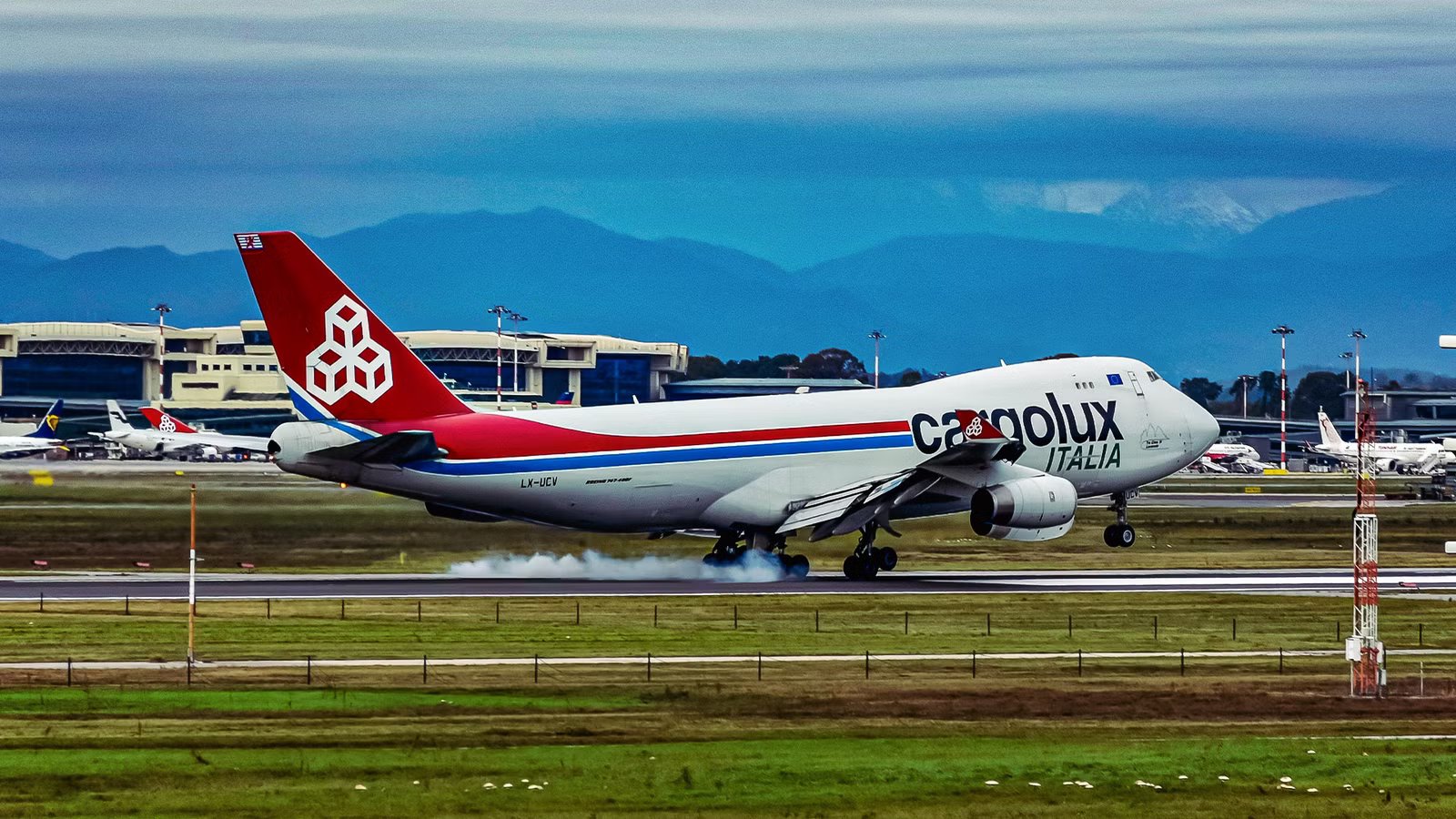
For most passenger airlines, the Boeing 747 has become a symbol of the past. Newer twin-engine aircraft such as the Boeing 787 and Airbus A350 are quieter, more fuel-efficient, and far easier to justify in a market where airlines compete heavily on customer experience. Yet in cargo aviation, the picture looks very different. The 747 freighter remains a familiar sight at major freight hubs around the world, even as many passenger versions of the aircraft have disappeared.
That difference comes down to economics and mission requirements. Cargo airlines do not need to impress passengers with modern cabins, mood lighting, or larger windows. What matters is payload, volume, operating cost, and whether the aircraft can move freight profitably. In that environment, an older airplane can still be highly valuable if it offers capabilities that newer aircraft cannot fully replicate.
The Boeing 747 freighter is a perfect example of that logic. Its enormous cargo capacity, nose-loading door, and long-haul performance continue to make it useful on specialized missions and major intercontinental routes. Even as newer freighters such as the Boeing 777F and upcoming Airbus A350F gain ground, the 747 remains difficult to replace outright, which helps explain why so many cargo airlines still rely on it today.
It Can Carry Large Amounts Of Cargo
Payload and volume

One of the biggest reasons airlines still operate the Boeing 747 freighter is simple: it can move an enormous amount of cargo on a single flight. Compared with smaller freighters, the aircraft offers a combination of high payload and large internal volume that remains extremely attractive on major global freight routes. For carriers moving dense shipments between large hubs, that kind of capacity can make the aircraft highly efficient despite its age.
The 747 freighter is especially valuable when demand is concentrated, and operators want to maximize each departure. Rather than spreading cargo across multiple smaller aircraft, airlines can use a single 747 freighter to move large quantities of freight in one flight. This can be particularly useful at slot-constrained airports, where each takeoff and landing opportunity matters, and operators want to carry as much as possible per movement.
That high-capacity role is one of the main reasons the 747 freighter remains relevant even as newer aircraft enter the market. It may not be the newest or most fuel-efficient option available, but for airlines that need to move very large cargo volumes, it still offers capabilities that are difficult to match.
The Nose Door Allows Oversized Freight
Allows for awkwardly shaped cargo

One of the Boeing 747 freighter’s most distinctive and valuable features is its nose-loading door. Unlike most cargo aircraft, the 747 can open at the front of the fuselage, allowing freight to be loaded straight into the aircraft from the nose. This gives operators far more flexibility when handling cargo that is unusually long, tall, or awkwardly shaped.
That matters because not all freight fits neatly onto standard pallets or through a conventional side cargo door. Large industrial equipment, aerospace components, machinery, and other outsized shipments can be difficult or impossible to load onto many twin-engine freighters. The 747’s nose door solves that problem by giving operators a way to load cargo that would otherwise be restricted by the dimensions of a side entry point.
This capability helps explain why the aircraft remains so relevant in specialized freight markets. Even if newer freighters offer better fuel efficiency, few aircraft can match the 747’s ability to handle oversize cargo with the same ease. For airlines moving freight that does not fit the standard mold, the nose door remains one of the 747 freighter’s biggest advantages.

The Top 10 Boeing 747 Airline Customers In History
Only a few of the greatest purchasers of the Boeing 747 were US airlines, and some still have them in service.
It Still Works Well On Long-Haul Cargo Routes
Highly capable

Another reason airlines continue flying the Boeing 747 freighter is that it remains highly capable on long-haul cargo missions. The aircraft was built for intercontinental flying, and in freighter form it still offers the range needed to connect major cargo hubs across Asia, Europe, North America, and the Middle East. For operators running global networks, the aircraft is a practical tool for moving freight over very long distances without sacrificing payload.
This is especially important in cargo aviation, where some of the busiest routes involve large flows of freight between major manufacturing centers, logistics hubs, and consumer markets. On these sectors, the 747 freighter can carry substantial volumes of cargo while still covering long distances efficiently enough to remain competitive. Even if newer twins are more fuel efficient on a per-trip basis, the 747’s ability to move a very large load over a long stage length still gives it value in the right market.
Long-haul cargo flying also tends to emphasize reliability and payload more than passenger comfort or aircraft age. As long as the aircraft can continue operating profitably and meet the needs of the route, there is little pressure to replace it purely because it is older. That is one reason the 747 freighter remains active on major intercontinental corridors even as passenger versions of the aircraft have largely disappeared.
Older Aircraft Can Still Be Economically Attractive
Acquisition costs are lower

One of the biggest reasons cargo airlines continue flying older aircraft such as the Boeing 747 freighter is that the economics can still work in their favor. A new-build freighter is extremely expensive, while an older aircraft that has already spent years in service can often be acquired for far less. If that aircraft can still carry profitable loads and remain reliable enough to support the network, it may continue generating strong returns even if its fuel burn is higher than that of a newer jet.
Cargo operators also do not face the same pressure as passenger airlines to modernize their fleets for branding or customer experience reasons. Passenger carriers are constantly competing over cabin comfort, inflight entertainment, premium seating, and overall passenger perception. A cargo airline does not need to impress travelers with mood lighting, larger windows, or quieter cabins. Its customers care about whether freight arrives on time, whether the aircraft can carry the required volume, and whether the price is competitive.
That makes older aircraft much easier to justify in freight service. As long as maintenance remains manageable and the airplane still fits the mission, age alone is not a reason to retire it. In many cases, a fully paid-off or lower-cost older freighter can remain more economically attractive than a much more expensive new aircraft, especially on routes where its payload and cargo volume continue to make it useful.
There Still Is Not A Perfect Like-For-Like Replacement
New freighters don’t compare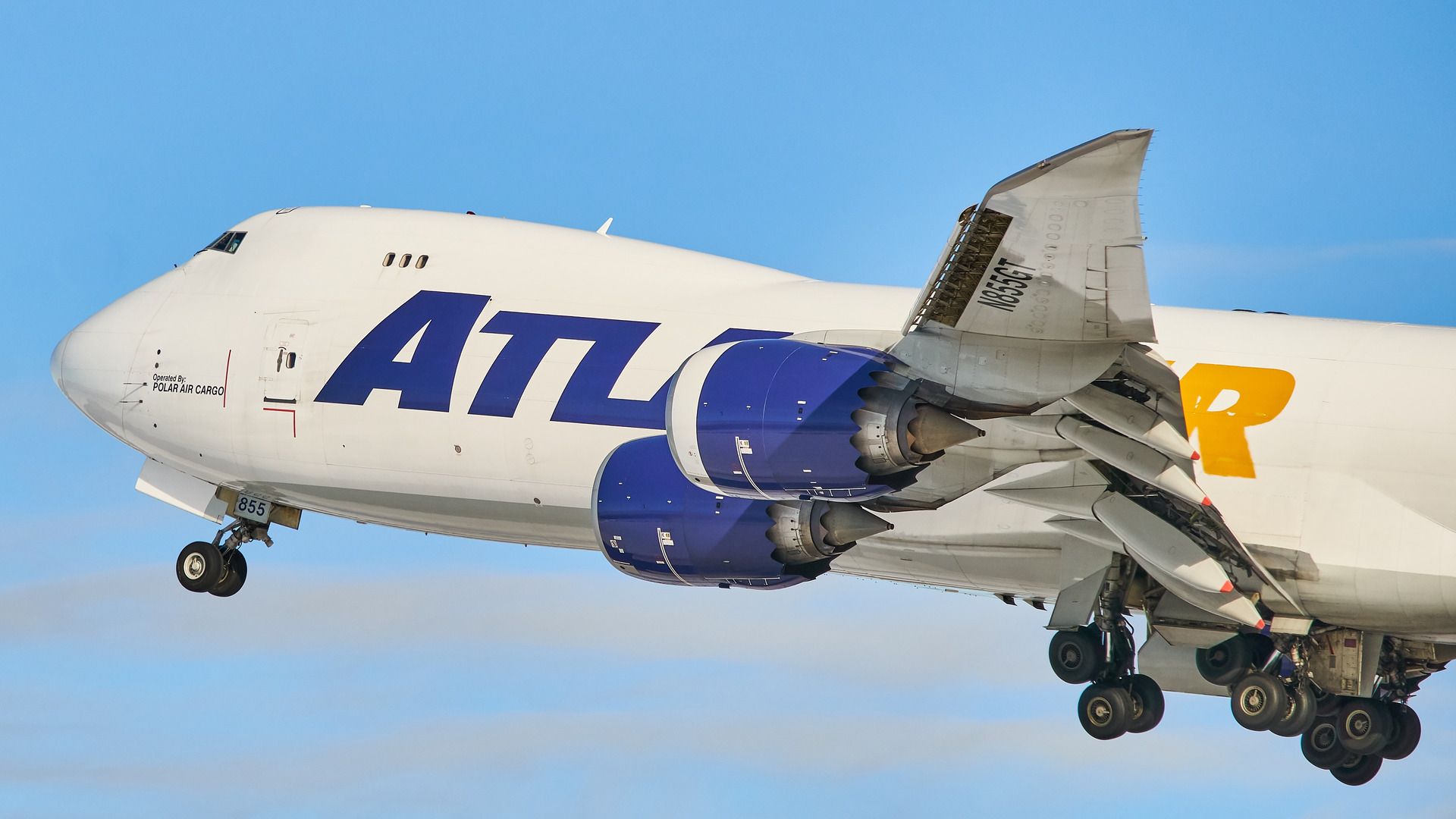
A major reason airlines still fly the Boeing 747 freighter is that there still is not a perfect one-for-one replacement for everything it does well. Newer aircraft such as the Boeing 777F, the upcoming 777-8F, and the Airbus A350F are all more efficient than older 747 freighters, but they do not replicate every advantage of the 747 in the same way. In cargo aviation, replacing an aircraft is not just about fuel burn. It is also about payload, volume, loading flexibility, and how the aircraft fits specialized freight missions.
The Boeing 777F has become one of the most successful modern freighters and offers strong economics, but it does not have the 747’s nose door and therefore cannot handle certain outsized shipments as easily. The future 777-8F is being marketed as a replacement for aging large freighters, and Boeing says it will carry 112 tonnes of net payload, while the company has also described it as a strong successor for operators replacing 747-400 freighters. Even so, the 777-8F remains a twin-engine aircraft without the same nose-loading capability that makes the 747 uniquely useful for some cargo operators.
The Airbus A350F is another important part of the future freighter market. Airbus says it will offer up to 111 tonnes of payload and around 4,700 nautical miles of range, while emphasizing lower fuel burn and compliance with future emissions standards. The aircraft will likely appeal strongly to airlines that value efficiency and modern fleet commonality, especially those already operating A350 passenger jets. But like the 777 freighters, the A350F is really a more efficient next-generation freighter rather than a perfect replica of the 747’s strengths.
That is why the 747 freighter remains relevant. It is not necessarily the most efficient option in every category, but it still offers a combination of high payload, very large volume, and unmatched loading flexibility that no single new aircraft fully duplicates. Until a replacement can match those strengths across the same range of missions, the 747 freighter will continue to hold an important place in global cargo aviation.

Here’s How Different The Boeing 747-8’s Engines Are Compared To The 787
Discover the surprising design differences between the engines of the Boeing 747-8 and 787 Dreamliner, and how they impact performance.