dailynewsnblog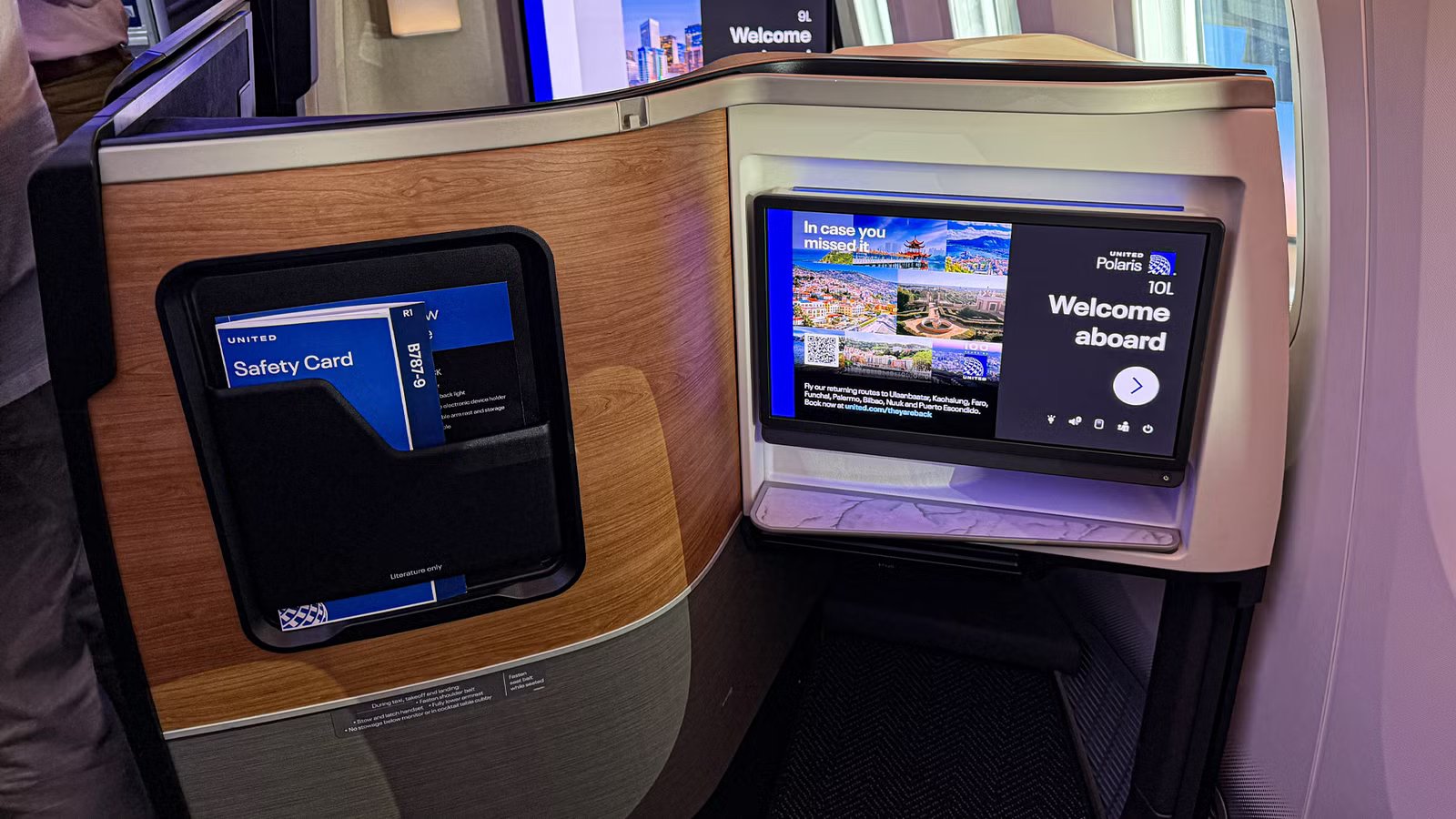
For legacy carriers, replacing aircraft is no longer the automatic answer to the need for upgraded cabin products. New jets are incredibly expensive, delivery timelines are uncertain, and many carriers still need to compete right now on comfort, branding, and premium revenue. That is ultimately why cabin retrofits have become such a central part of overall fleet strategy. A redesigned interior can make a mature aircraft feel commercially relevant again, whether that means slimmer and lighter seats, new in-flight entertainment systems, improved connectivity, upgraded premium cabins, or a complete visual refresh.
In many cases, legacy airlines are not trying to make an old aircraft brand new in engineering terms, but they are rather trying to make it new enough in customer terms. That kind of distinction ultimately matters. A passenger books the seat, screen, power outlet, storage space, and overall feel of the cabin far more directly than they book the production year of the airframe itself. With delivery delays, sustainability pressure, and tighter capital discipline all shaping airline decision-making, the logic of interior upgrades has only strengthened. The broader market reflects that exact kind of shift. Analysts have predicted that the aircraft cabin interior market will continue to grow from $36 billion in 2025 to $50.3 billion by 2035, showing just how important cabin investments have become across the sector as a whole.
A Significantly Cost-Effective Maneuver
A cabin refresh protects margins without the financial shock of a new aircraft order

Anyone with any basic understanding of asset-backed businesses will likely be able to point out that the most obvious reason airlines upgrade cabins instead of replacing aircraft is relatively simple. It is usually far cheaper and much more flexible to do so. A new aircraft purchase requires enormous amounts of capital, a long planning horizon, and a commitment that can be hard to justify if the existing aircraft still has years of useful service left on it.
By contrast, an interior retrofit program is a much more scaled and measured approach. Some analysts have noted that cabin work can range from superficial cosmetic improvements to a complete teardown and reconfiguration of pretty much everything inside the fuselage. This means that the airline will spend only where the business case is the strongest, rather than writing a vastly larger check for a replacement aircraft. This does not mean, however, that an extensive retrofit program cannot produce legitimate economic gains.
Lighter seats and components can significantly reduce weight and fuel burn. LED lighting lowers power use and maintenance expenses, and modernized cabins can support stronger customer retention and overall brand consistency. Extensive analysis has already confirmed that airlines and suppliers are increasingly turning to refurbishment and used parts because they help reduce lead times, cut costs, and limit overall waste. Thus, retrofits can allow airlines to improve the product they sell without taking on the full financial burden of replacing the machine itself.
Aircraft Delivery Delays Leave Airlines No Choice
When new aircraft don’t arrive on time, old ones work harder

A major reason that the market for cabin upgrades is continuing to boom is that airlines often do not have replacement aircraft available when they need them. Delivery delays at  Boeing and Airbus, along with shortages in engines, seats, and other components, have pushed legacy operators to keep older aircraft in service much longer than planned.
The International Air Transport Association (IATA) has argued that supply chain challenges will cost airlines all over the globe more than $11 billion in 2025, including around $4.2 billion in delayed fuel savings and $3.1 billion in higher maintenance costs because carriers are flying older, less efficient aircraft while waiting for new deliveries. Analysts have argued that widebody delivery delays are directly increasing demand for retrofit services, especially as airlines turn to Maintenance, Repair, & Overhaul (MRO) providers to help bridge the gap.
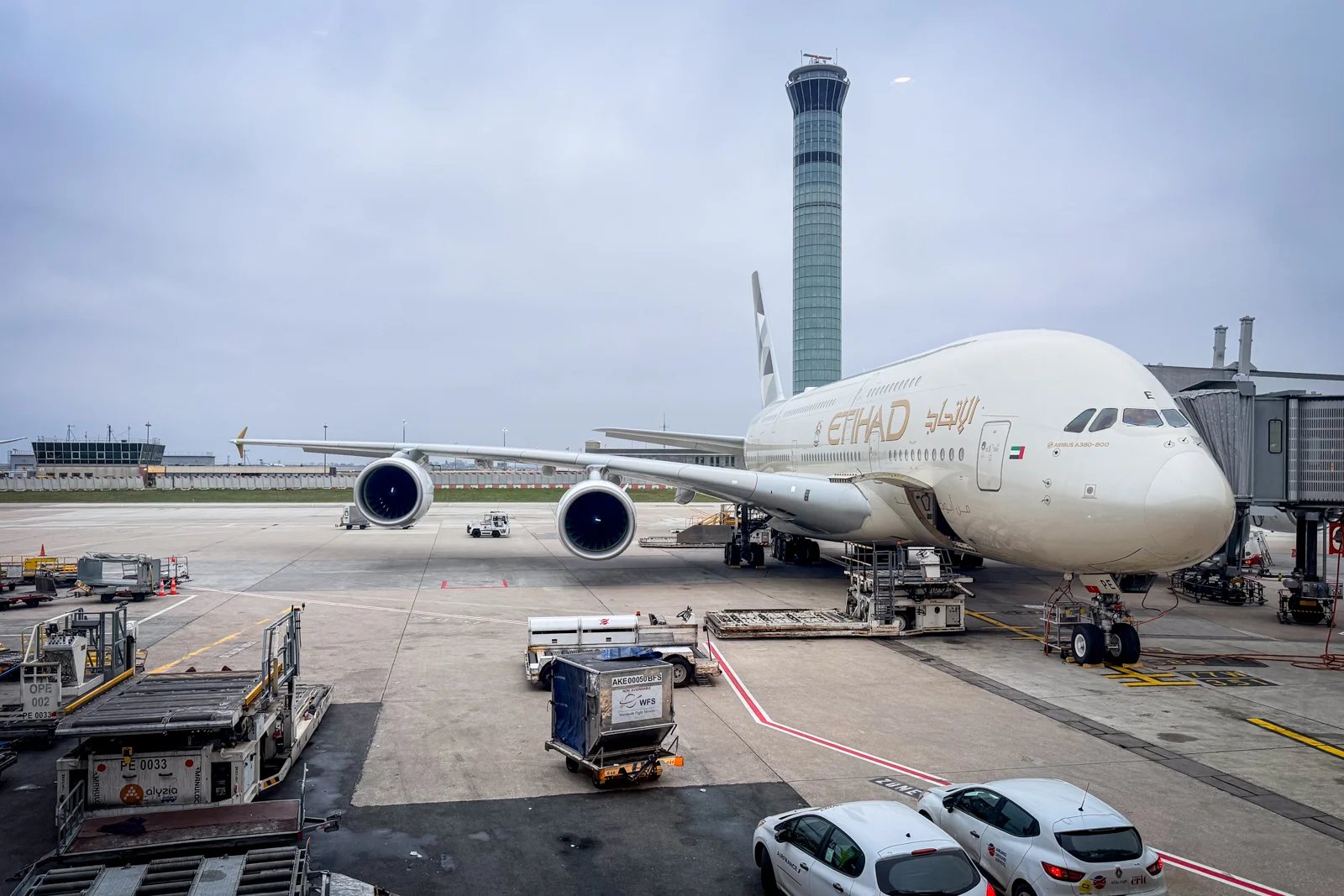
Reporting on the Boeing 777-300ER has reflected a similar broader pattern. Instead of waiting indefinitely for ideal replacements, airlines are refurbishing proven aircraft so that they can preserve capacity, keep networks intact, and maintain product standards in the meantime. In that context, retrofitting is not just an upgrade decision. Rather, it is often a scheduling necessity caused by the needs of a rapidly-shifting market.

Here’s Why Airlines Keep Refurbishing Boeing 777-300ER Cabins Instead Of Replacing Them
Airlines refurbish their Boeing 777-300ER cabins as it offers a more cost-effective solution and improves the efficiency of an aircraft’s lifecycle.
Sustainability And Environmental Goals
Retrofits help airlines cut waste, lower weight, and show practical progress on decarbonization

Cabin upgrades also fit quite neatly into the airline industry’s overall sustainability agenda. Buying all-new aircraft may deliver the largest efficiency increase, but that specific option is not always immediately available to operators. In many cases, airlines are looking for near-term environmental improvements they can implement across existing fleets. One major lever that airlines can still play around with is the jet’s weight.
Analysts have noted that airlines are increasingly choosing lightweight interiors because reducing cabin weight lowers fuel burn and emissions, all while cutting cleaning, spare parts, and repair needs. It also points out that cabin interiors may be replaced four to five times over an airframe’s life, which makes the materials, manufacturing, and end-of-life handling of those interiors an important sustainability issue in their own right.
Airlines have also noted that they are increasingly choosing to use sustainable materials for seat maintenance and refurbishment, with weight still seen as the single most effective sustainability lever available to major operators in the market today. Emirates has gone even further, as it is saying that its large-scale retrofit program emphasizes upcycling, recycling, reuse of existing parts, and lighter-weight materials in order to reduce overall carbon emissions. Thus, a cabin retrofit is not only about aesthetics, but it can also be one of the most practical environmental upgrades that any airline can and should make.
Passenger Experience And Revenue Generation
A better cabin is not just nicer to look at

Airlines are quick to upgrade interiors because cabins are undoubtedly one of the simplest and easiest ways to change what passengers are actually spending their money on effectively. Analysts have reported strong industry demand for cabin upgrades and noted that carriers are increasingly adding new classes and new features within existing ones for revenue growth. In practice, that means that retrofits are often tied to premium economy rollouts, new business-class seats, upgraded power and connectivity, and better entertainment systems.
This will naturally mean different things to different people. Overall, however, they can make an older aircraft feel almost indistinguishable from a new one to the average passenger. For the airline, it can help raise overall yields, strengthen loyalty, and improve competitive positioning on routes where product matters. Other analysts will make a similar point from an operational perspective. They will argue that refreshed cabins can enhance overall brand differentiation, attract repeat customers, and even generate additional ancillary revenue through e-commerce, advertising, and premium content delivered via upgraded in-flight entertainment and connectivity systems.
The commercial logic is therefore bigger than just comfort on its own. Airlines are not just replacing worn carpets and tired seat covers. Rather, they are redesigning the revenue environment inside the airplane. This is especially true on long-haul and business-heavy routes, as the cabin is one of the most important commercial assets that an airline controls, which is a key reason why upgrading it can be more urgent than replacing the jet carrying it.

Airbus Files Patent Reimagining The Business Class Seat: What To Expect
The planemaker has big plans for the reimagining of business class travel.
Upgrades Align With Mandatory Maintenance Cycles
The smartest retrofit programs use planned downtime instead of creating new downtime

Another reason that these kinds of retrofits make sense is that commercial airlines can often bundle them into maintenance events they already have to perform on their own. That does not mean cabin cycles and maintenance cycles always line up perfectly. In fact, analysts have noted that aircraft cabin interiors often have their own retrofit rhythm, with some products upgraded every five to seven years while others stay in service significantly longer.
However, when a major cabin refresh can be synchronized with a heavy maintenance visit, the economics become much more attractive because the plane is already scheduled to exit commercial service. Retrofit guides have explicitly treated one of the key planning questions as whether cabin work will be done stand-alone or in conjunction with some kind of heavy maintenance visit, a move that could make it slightly more efficient. Analysts have also noted that some seat refresh programs can fit into a heavy maintenance check.
Those who cannot fit into an aircraft’s regular schedule will be forced to manage additional downtime, according to Aviation Week. Air India’s current fleet retrofit program shows how this works in practice. The airline’s widebody interior upgrades are being paired, in part, with heavy scheduled checks and reliability enhancement work. For airlines, that combination is extremely efficient, as it reduces overall downtime, consolidates both labor and logistics, all while turning a required maintenance window into a broader commercial reset for the aircraft and the particular airline’s fleet.