dailynewsnblog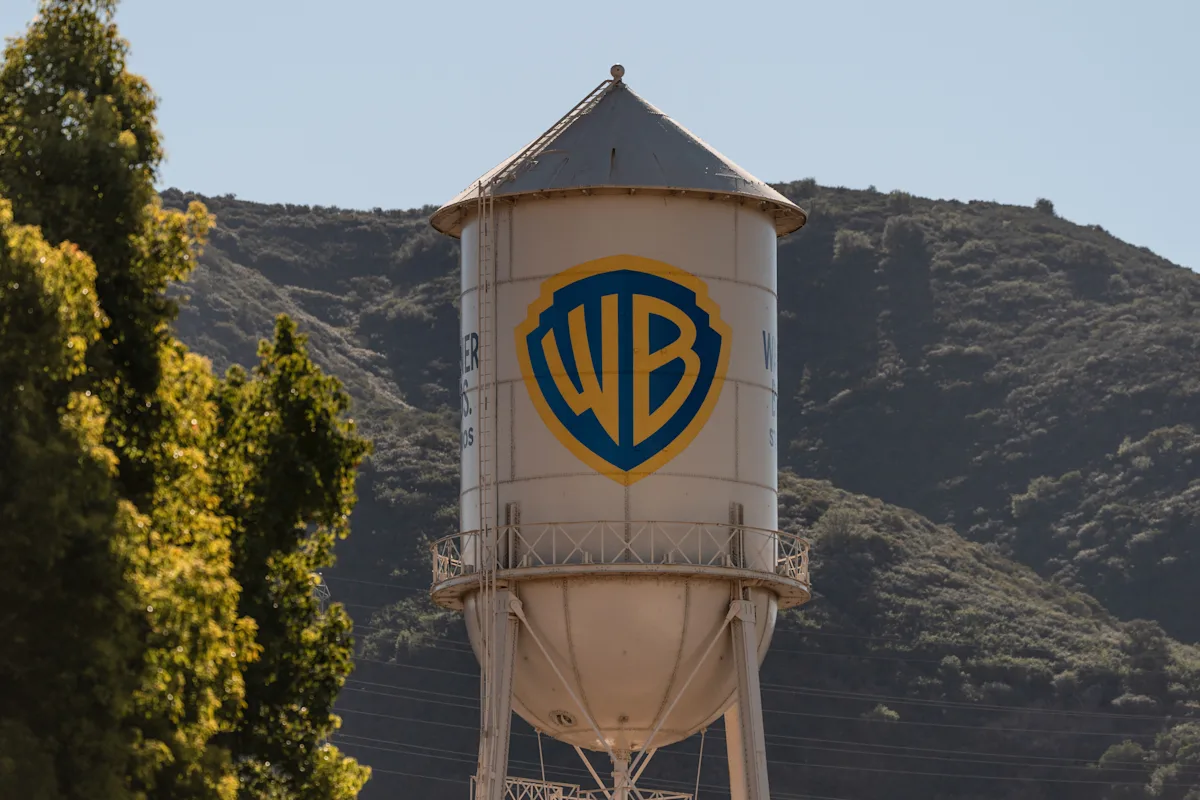
This is The Takeaway from today’s Morning Brief, which you can sign up to receive in your inbox every morning along with:
Tech’s Hollywood takeover. A streaming giant on steroids. Another contentious battle for IP and scale.
The $72 billion Netflix (NFLX) deal to acquire the studio and streaming assets of Warner Bros. Discovery crisscrosses and amplifies multiple narratives in the entertainment business. It would combine the world’s top streamer with one of the most storied film and TV studios.
But the mash-up, which Netflix expects to take up to 18 months to complete, is already prompting vocal pushback from another suitor and media rival as well as elected officials from both parties.
Antitrust issues are only part of the uncertainty. The tie-up underscores the still-unsettled challenges surrounding the future of moviegoing, cable’s great dwindling, and the creative industry’s uneasy relationship with the dominant players in technology.
Here are five questions about what’s next for Netflix:
1. What will Paramount do to squash the deal?
Paramount (PSKY) has already expressed dissatisfaction with how the negotiations have gone down. And it can do more.
Analysts say Paramount is eager to grab WBD’s back catalog and IP to compete with the much larger Netflix. That growth is pivotal to Paramount’s success, motivating its desire to acquire WBD, and now to try and block Netflix from doing so.
In addition to raising legal challenges, Paramount can lean on its political ties with the Trump administration to stymie the Netflix proposal. Comcast (CMCSA), another suitor that offered a bid, could also strengthen the case against a Netflix deal.
2. How is the political opposition shaping up?
What Netflix co-CEO Ted Sarandos has described as “[giving] audiences more of what they love” several elected leaders see as ingredients for market abuse. “This deal looks like an anti-monopoly nightmare,” said Senator Elizabeth Warren in a post on X Friday.

“A Netflix-Warner Bros. would create one massive media giant with control of close to half of the streaming market. It could force you into higher prices, fewer choices over what and how you watch, and may put American workers at risk,” Warren wrote.
The opposition to the deal isn’t limited to the Democratic side. Several Republican lawmakers have criticized the deal and have called on regulators to scrutinize the acquisition.
3. How can Netflix overcome antitrust concerns?
Similar to Meta’s recent anti-monopoly victory in court, Netflix can make the case that the tech environment continues to change. And that its rivals, a who’s who of well-resourced mega platforms including Apple, Amazon, and YouTube, are all clamoring for user attention and streaming turf.