dailynewsnblog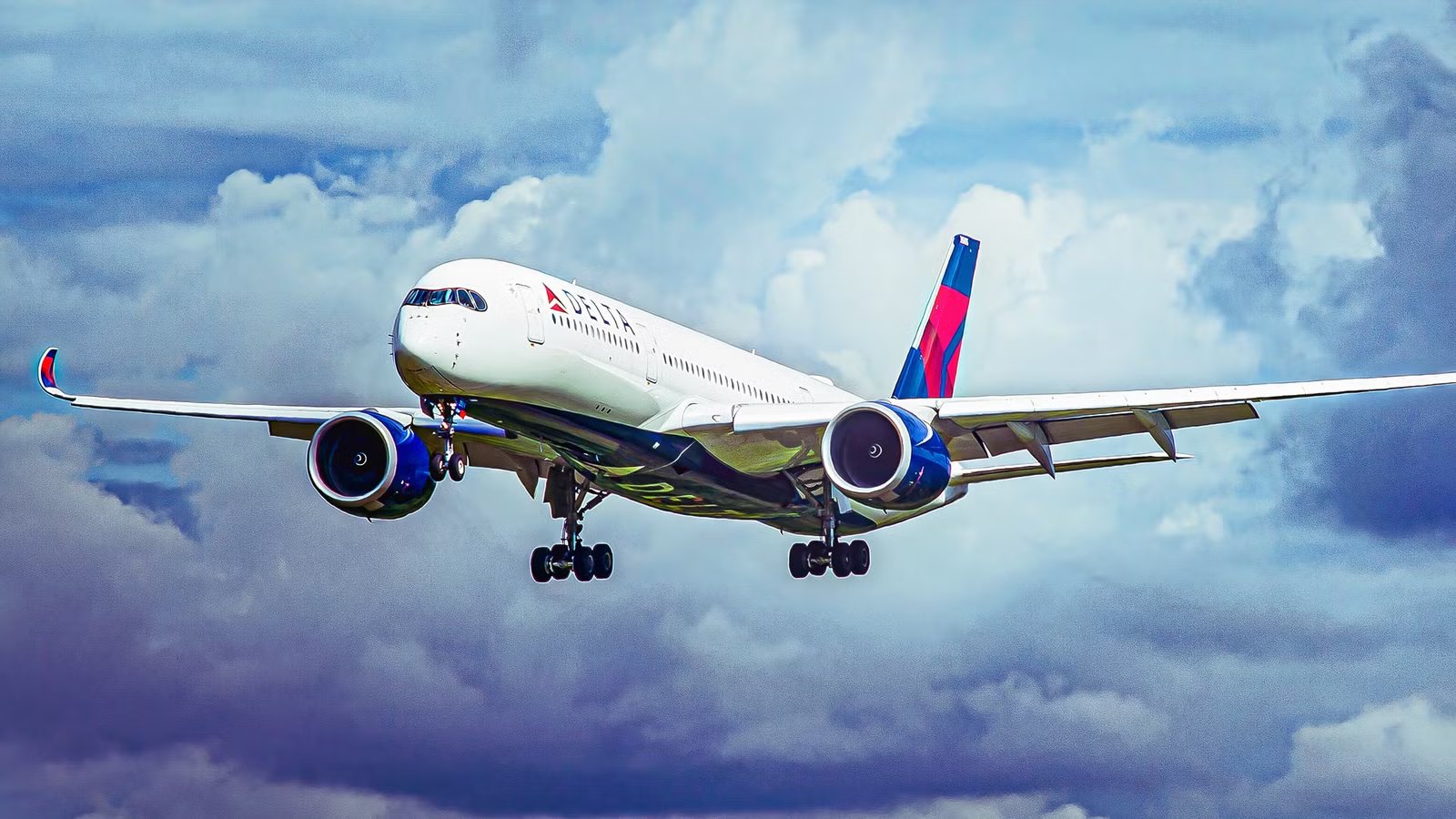
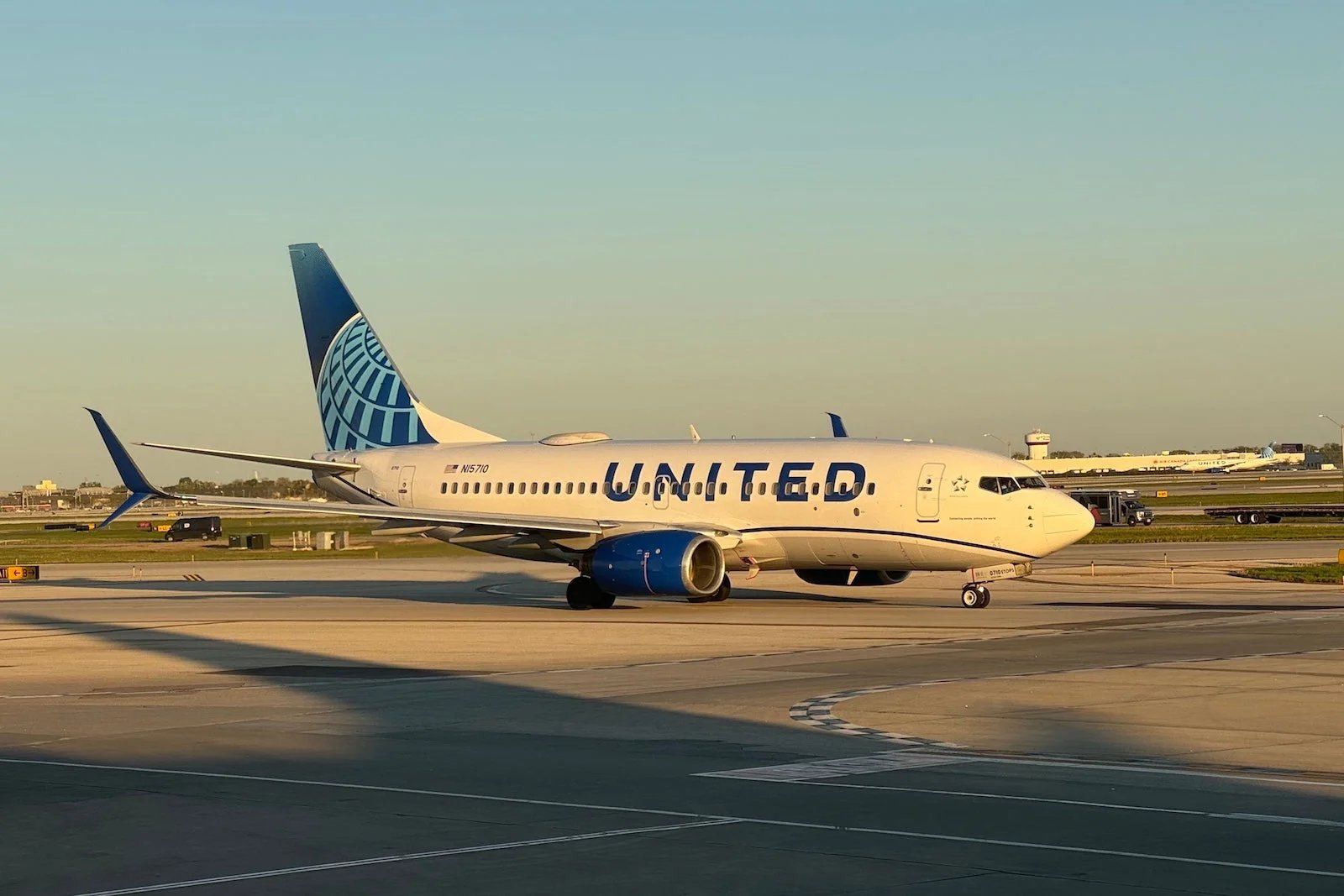
American Airlines, Delta Air Lines, and United Airlines are the so-called US Big Three operators. It is hardly difficult to understand why. According to the US Department of Transportation, the trio transported approximately 607 million passengers in 2025. They carried 55% of the country’s traffic.
Due to the inevitably large number of foreign carriers flying to the US,  American, Delta, and United’s share of long-haul markets was smaller. It carried 51 million such passengers, equivalent to 45% of the traffic. Of course, their dominance would rise if codeshares, joint ventures, metal-neutral operations, etc., were included.
American, Delta, And Delta’s Longest Routes

Using the latest OAG data to analyze each carrier’s entire long-haul network between April and December 2026 shows the following nonstop routes have a maximum block time of at least 17h 00m.
Block time comprises taxi time at both airports, flight time, and a period for short delays. These things mean schedules are padded to help achieve good punctuality. Measured as chocks-off-to-chocks-on, or gate-to-gate or stand-to-stand, it reflects slot possession where relevant.
As is always the case, other routes fell just short of being included. Among others, they include  United from Delhi back to Newark (up to 16h 55m), Delta from Cape Town back to Atlanta (up to 16h 35m), United from Johannesburg back to Newark (up to 16h 20m), American from Dallas/Fort Worth to Seoul Incheon (up to 16h 15m), Delta from Detroit to Shanghai Pudong (up to 16h 15m), and so on.
|
Maximum Block Time: April-December 2026* |
Airline |
Direction Of Route With That Time |
When Did The Route First Begin? |
The Route’s Operations: April-December 2026** |
|---|---|---|---|---|
|
17h 35m |
United |
Houston Intercontinental to Sydney |
2018 |
Daily 787-9 (northern winter only) |
|
17h 35m |
United |
San Francisco to Singapore |
2016 (one-stop flights existed before then) |
Two daily 787-9 (year round) |
|
17h 15m |
American |
Dallas/Fort Worth to Brisbane |
2024 |
Daily 787-9 (northern winter only) |
|
17h 05m |
Delta |
Johannesburg back to Atlanta (this is not in the carrier’s bottom-ten routes list by load factor) |
2009 |
Up to daily A350-900 (year round) |
|
17h 00m |
American |
Delhi back to New York JFK |
2021 |
Daily 787-9 (year round) |
|
* Even if only one flight has that time |
** Known as of April 2, and subject to change |
A Look At American’s Delhi Operations

Delhi has been part of American’s network since 2005, when it flew to/from Chicago O’Hare. That route ended in 2012 due to financial performance and the high price of oil. For the subsequent nine years, the  oneworld member did not fly to India at all.
That changed in 2021, during the COVID-19 pandemic, when the carrier took off from New York JFK. Perhaps surprisingly, it became the first time that JFK-Delhi had two nonstop operators, with American joining Air India. Of course, it is different when Greater NYC is included, and Newark is added.
It is the American’s sole route to India. Between 2021 and late 2024, the carrier flew the first-class-equipped, 304-seat 777-300ER to Delhi. Flights switched to the less premium, 285-seat 787-9, which continues today.
As this route operates to/from JFK’s Terminal Eight, it is easy to connect between American flights. And according to booking data, approximately 48% of the route’s 158,100 round trip passengers did transfer there in 2025, particularly to/from Dallas, San Francisco, Los Angeles, Charlotte, and Chicago.

Only 52% Full: United Airlines’ 10 Emptiest Long-Haul Routes Revealed
Sit down and go through United’s most disappointing long-haul routes, at least by this measure. Don’t forget, it’s only one part of this picture…
United Between Houston And Sydney

United began this very long route eight years ago, in 2018. Timed at up to 17h 35m, down from a record high of 17h 45m, it is the carrier’s joint-longest nonstop service. It is the number one for the US Big Three too. Initially, flights operated year round: daily during the northern winter but typically four times a week or less during the northern summer.
Things are quite different now, with only a seasonal service to capitalize on the higher demand and fares. However, it does not appear to be working too well. While load factors are just one performance measure and should not be considered in isolation, United only filled 69.0% of Houston-Sydney seats last year.
Given the sheer length of haul, flights would be exceptionally expensive to operate. Let’s hope the premium cabins are consistently full, or the going will be much tougher. And given the big rise in the jet fuel price due to the war in Iran, it would not be surprising if more changes materialized.