dailynewsnblog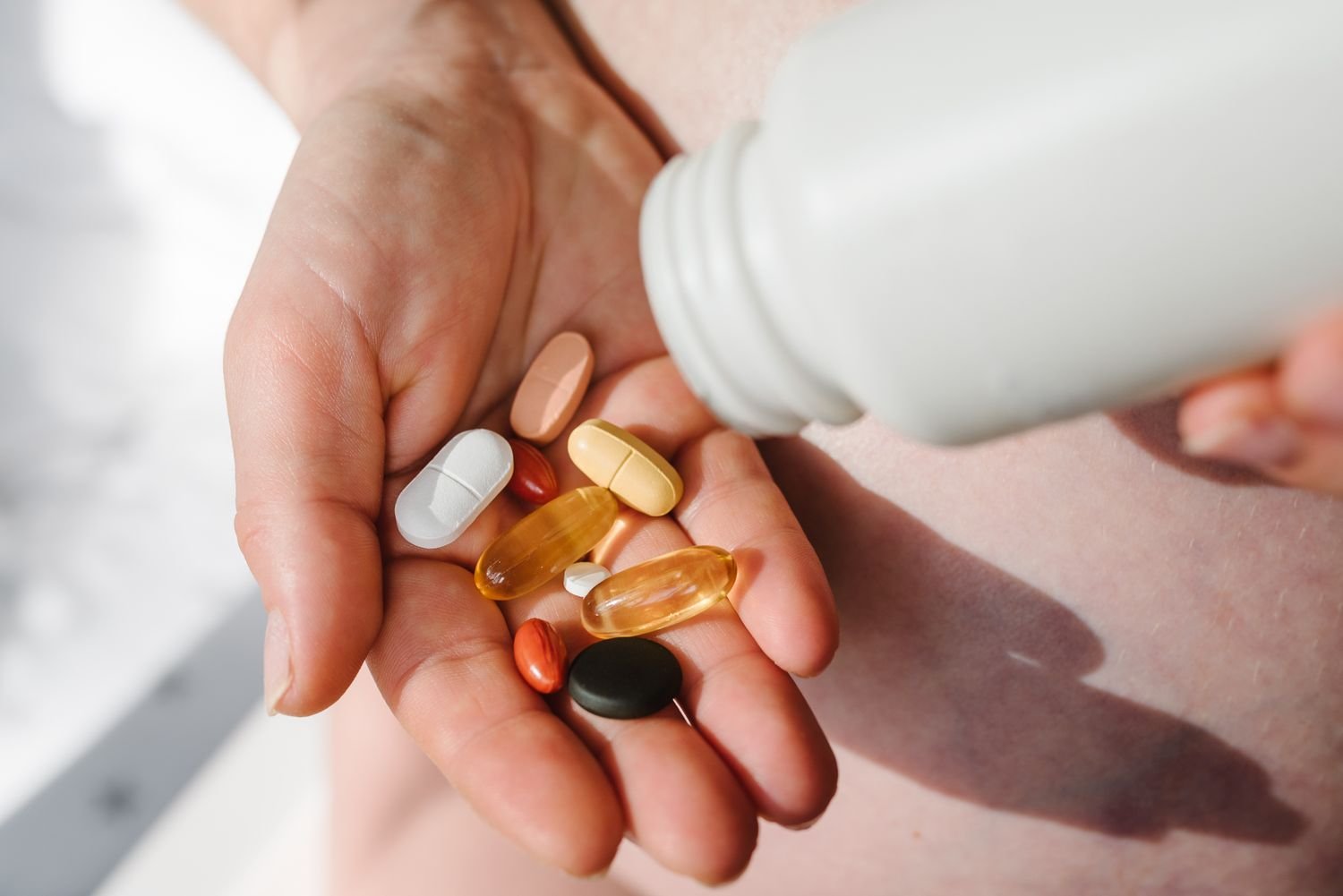
Vitamin C can increase the absorption of iron, an essential mineral. Vitamin C intake (whether in food or as a supplement) can also impact how other nutrients, as well as medications, affect you.
1. Iron
One of the most well-known interactions of vitamin C is that it can help improve iron absorption. Iron is an essential part of hemoglobin, the pigment in red blood cells (RBCs) that carries oxygen around the body. Iron sources include meat, seafood, nuts, beans, and iron-fortified foods.
Iron deficiency can cause microcytic anemia, characterized by small, pale red blood cells and low hemoglobin. Common symptoms include fatigue, pale skin, feeling cold, and dizziness.
Some ways you can combine iron and vitamin C to optimize dietary iron absorption include:
- Beef with tomatoes or tomato sauce
- Fish with vegetables
- Iron-fortified cereal with fruit
- Soup with chicken, beans, and peppers
2. Vitamin E
It’s often recommended to take vitamin C with vitamin E because both of these vitamins have antioxidant and anti-inflammatory action, and they are both involved in many functions throughout the body
Antioxidants and anti-inflammatories help protect cells from oxidative stress (an imbalance between destructive free radical molecules and antioxidants that neutralize them) and support normal immune function..
According to one small study, short-term high-dose vitamin C and vitamin E helped prevent muscle damage after Olympic Taekwondo (TKD) matches in a group of 18 elite athletes.
Evidence on the long-term effects of high-dose vitamin C on muscle recovery is mixed. Dietary vitamin sources are generally recommended instead of high-dose supplements.
3. Zinc
Vitamin C and zinc (an essential mineral) are both needed for healthy immune function. While research is not definitive, each may affect the risk of catching a cold, its duration, or its severity. Ensuring you get enough of both through diet supports a healthy immune system.
Zinc-rich foods include oysters, beef, and dairy foods. But if your diet is lacking, supplements may be considered. Consult a healthcare provider to see if this is recommended for you.
4. Multivitamins
You can have a vitamin C deficiency if your diet is low in fruit and vegetables. But even with adequate fruit and vegetable intake, your vitamin C level might be too low if you have a digestive problem that prevents you from absorbing dietary nutrients. That’s where a supplement can make a big difference.
You can get vitamin C as a supplement on its own, and it’s also safe and beneficial to take a multivitamin that includes vitamin C. For most healthy adults, standard-dose multivitamins are generally safe, but they can interact with some medications, supplements, or medical conditions.
Does Vitamin C Interact With Medications?
Vitamin C may interact with some medications and treatments, especially radiation therapy, chemotherapeutic agents, and statins (lipid-lowering drugs). Check with your healthcare provider or pharmacist for drug and supplement interactions whenever you add any new medication to your existing treatments.
How Much Vitamin C Do You Need?
Vitamin C, also called ascorbic acid, is an essential nutrient found in fruits and vegetables, especially citrus fruits. This vitamin is vital for skin health, heart health, immunity, and numerous other functions of your body. In general, it’s best to aim for the recommended intake of nutrients.
Vitamin C is a water-soluble vitamin, meaning it dissolves in water and does not need to be taken with fatty foods. It is not stored in the body, and any excess vitamin C is excreted in the urine. Therefore, you must have a regular intake of this vitamin.
Daily vitamin C recommendations include:
- 0 to 6 months: 40 milligrams (mg)
- 7 to 12 months: 50 mg
- 1 to 3 years: 15 mg
- 4 to 8 years: 25 mg
- 9 to 13 years: 45 mg
- 14 to 18 years: 65 to 75 mg
- Adult male: 90 mg
- Adult female: 75 mg
- Pregnant: 85 mg
- Lactating: 120 mg
Taking too much vitamin C can be harmful, especially if you have kidney disease, and high doses don’t provide added benefits.
Always talk to your healthcare provider or pharmacist before starting any new supplement, especially if you take prescription medications or have underlying health conditions.
Because the Food and Drug Administration (FDA) does not regulate supplements to the extent that it does medications, look for products that have been tested by third-party organizations such as ConsumerLab.com and the U.S. Pharmacopeia (USP) for purity and potency.
:max_bytes(150000):strip_icc():format(webp)/Heidi-Moawad-MD-1000-2792fc644ba54e05a6e82c8a25ae988f.jpg)