dailynewsnblog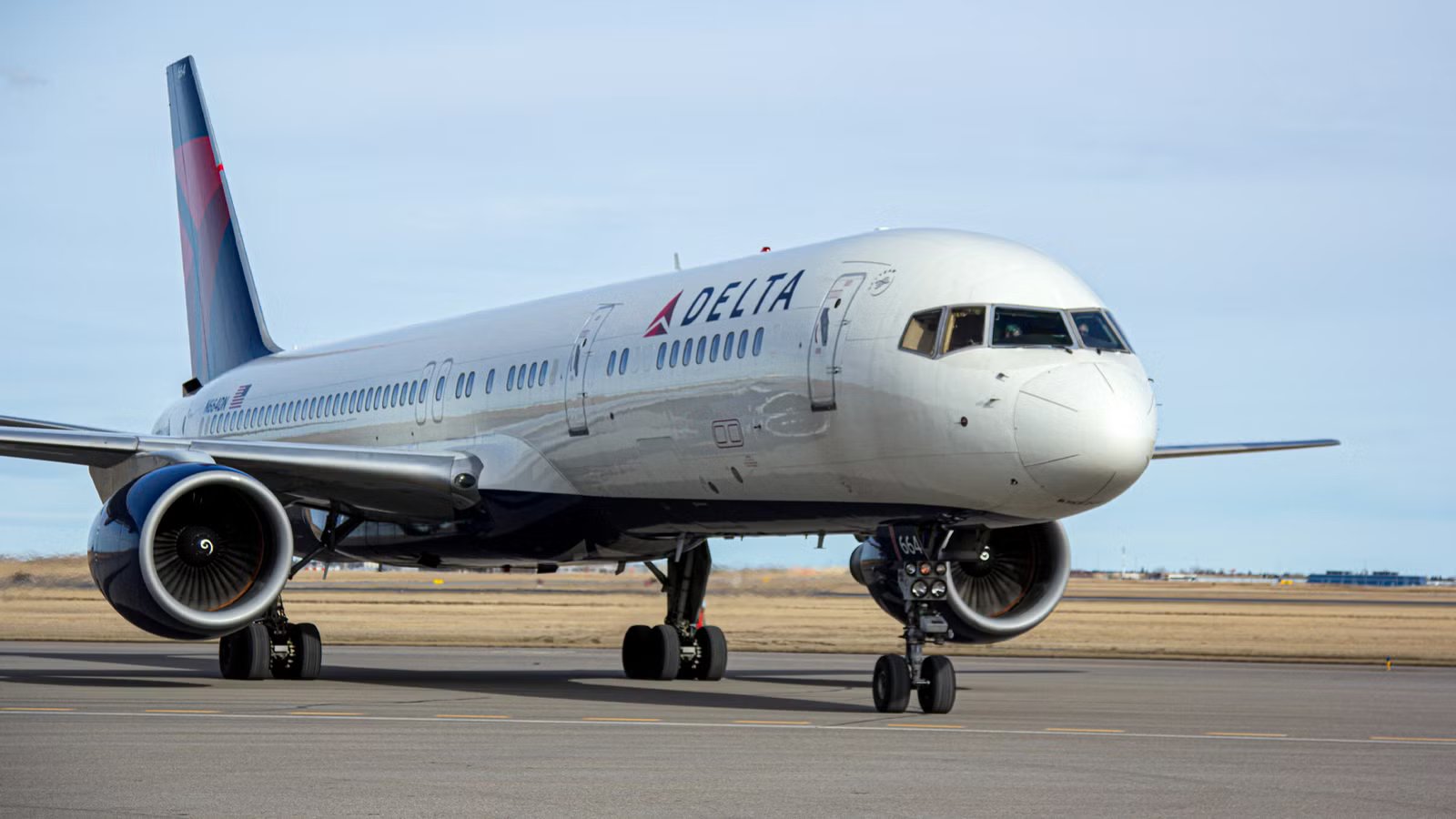
The modern NBA schedule is one of the most demanding in professional sports, and nowhere is that more evident than in the sheer volume of air travel required over the course of a season. Teams routinely log tens of thousands of miles, crossing multiple time zones in a matter of days, often departing immediately after late-night games to reach the next city before sunrise. In this environment, the aircraft itself becomes far more than a means of transport, evolving into a carefully engineered space that must balance range, speed, cabin comfort, and operational flexibility. What was once a simple Charter arrangement has, at the highest level, become a specialized branch of sports aviation, where logistics, engineering, and athlete performance are tightly intertwined.
As a result, a handful of NBA franchises have gone well beyond standard charter contracts, opting instead for highly customized aircraft that resemble corporate VIP aircraft more than typical team transports. These aircraft are selected not only for their range and reliability, but also for their ability to be reconfigured to meet the unique physical demands of professional basketball players, many of whom stand well over six feet tall. From reinforced cabin layouts to bespoke seating and onboard recovery facilities, these aircraft reflect a convergence of aviation engineering and elite sports science, where every design choice is made with performance in mind, and increasingly, with luxury as a central pillar of that performance and recovery process. Let’s take a closer look…
Dallas Mavericks
Boeing 757

The Dallas Mavericks have long stood at the forefront of aviation innovation within the NBA, largely due to the influence of owner Mark Cuban, who has consistently emphasized the importance of travel efficiency and player comfort. Rather than relying purely on third-party charter providers, the Mavericks have historically invested in dedicated aircraft solutions, allowing them to exert greater control over both scheduling and cabin configuration. This approach places them closer to the model used by large corporations operating private jets than to typical sports teams, with a clear emphasis on creating an elite onboard environment that prioritizes both performance and indulgence.
Central to their operation has been the use of the Boeing 757, a type favored for its balance of transcontinental range, relatively short runway requirements, and adaptable cabin layout. Unlike a commercial 757 configured for high-density passenger service, the Mavericks’ version has been stripped down and rebuilt with a dramatically lower seat count, enabling the installation of wide, first-class-style seats arranged in a spacious 2-2 configuration. The luxury element becomes immediately apparent in the sheer amount of personal space afforded to each passenger, with deep reclining seats, premium leather finishes, and a noticeably quieter cabin that feels more akin to a long-range business jet than a repurposed aircraft.
What also sets the Mavericks’  Boeing 757 apart is the degree of customization within the cabin. The interior features special seating designed to accommodate larger body frames, integrated power systems for medical and recovery equipment, and carefully planned weight distribution to maintain optimal aircraft balance. At the same time, the aircraft incorporates luxury touches such as mood lighting designed to align with circadian rhythms, high-end catering tailored to athlete nutrition, and a level of privacy that eliminates the usual distractions of air travel. Even operationally, the team benefits from tight turnaround times and flexible departure windows, illustrating how a purpose-configured aircraft can merge high-end comfort with high-performance functionality in a way few teams can replicate.
Los Angeles Lakers
Boeing 747

The Los Angeles Lakers bring a different kind of aviation pedigree, one that reflects both scale and legacy. As one of the NBA’s most globally recognized franchises, they have historically gravitated toward larger aircraft capable of accommodating not just players and staff, but also extended personnel and equipment. Over the years, this has often meant operating within the realm of widebody aircraft, such as the Boeing 747, a type synonymous with long-haul luxury and high-capacity transport. In many ways, the choice of such an aircraft reflects the franchise’s broader identity, where size and spectacle play a defining role.
From a technical standpoint, the Boeing 747 offers several advantages for NBA travel, particularly in terms of cabin volume and range. The Lakers’ aircraft configuration takes full advantage of this, converting what would traditionally be multiple passenger classes into a low-density layout that prioritizes space and accessibility. The luxury element is amplified by the sheer scale of the cabin, allowing for features rarely seen in sports travel, such as lounge-style seating areas, fully lie-flat beds, and private sections that mirror the experience of modern first class suites.
The Lakers’ aviation strategy reflects a blend of operational capability and brand identity, with luxury playing a defining role in both. Their aircraft is not only engineered for efficiency and comfort, but also serves as a flying representation of the franchise, complete with custom interiors, advanced inflight connectivity systems, and premium materials throughout the cabin. Subtle branding elements, refined finishes, and carefully curated onboard service elevate the experience beyond simple transportation. In aviation terms, it is closer to head-of-state transport than a conventional charter, where the journey itself becomes part of the overall experience, reinforcing the Lakers’ long-standing association with glamour, prestige, and attention to detail.
Boston Celtics
Boeing 737

The Boston Celtics take a more understated but equally aviation-focused approach, emphasizing reliability, efficiency, and consistency over sheer scale. Rather than committing to a single dedicated airframe, the organization typically operates through high-end charter agreements involving aircraft such as the Boeing 737 or similar next-generation narrow-body jets. These aircraft are widely used in both commercial and private configurations, making them a versatile choice for teams that prioritize operational dependability while still incorporating meaningful upgrades to the onboard experience.
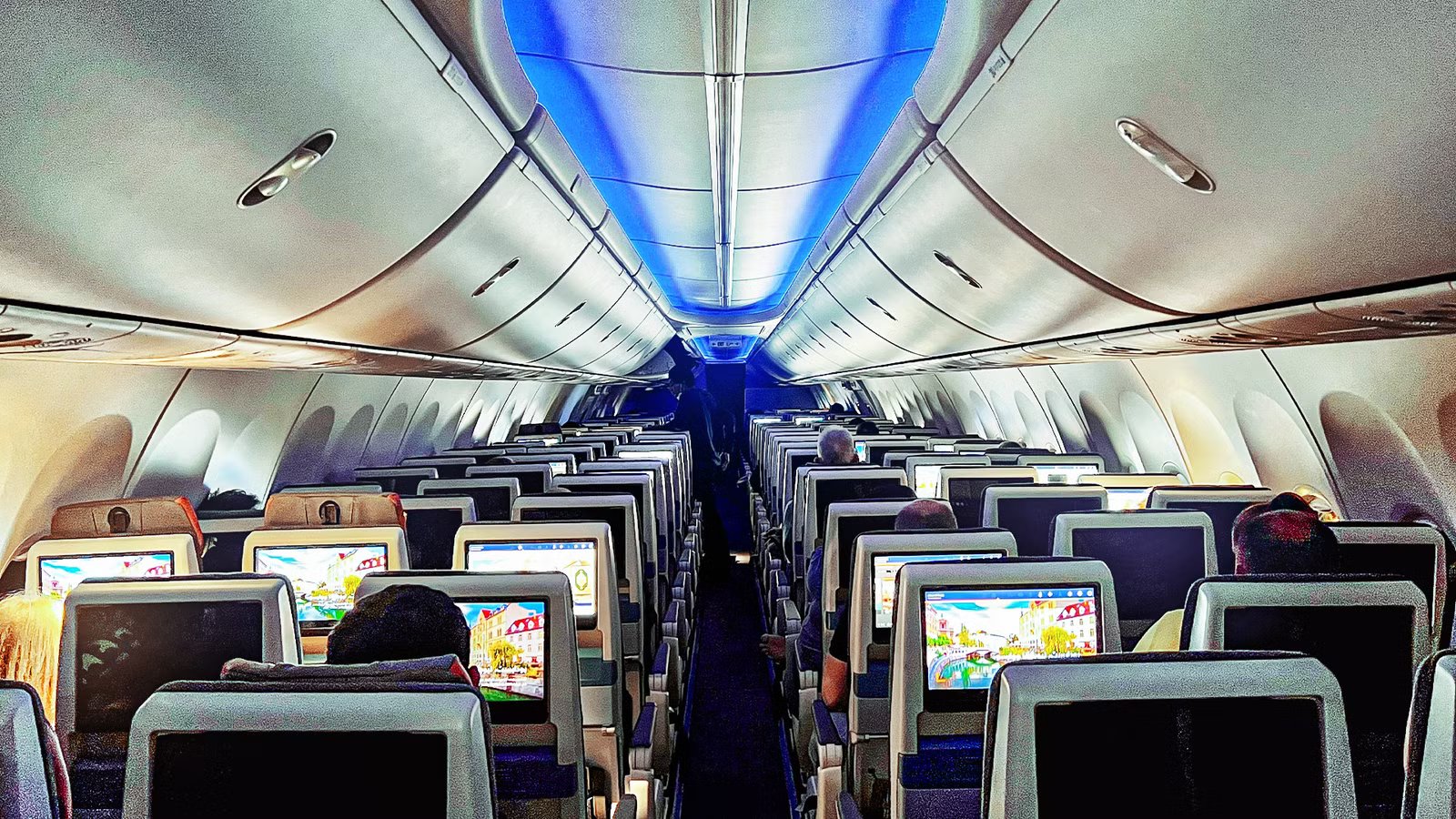
In a customized sports charter layout, the Boeing 737 is transformed from a high-density airliner into a spacious, low-seat-count aircraft tailored for athlete transport. Rows are removed to increase seat pitch and allow oversized seating, while certain sections of the cabin are adapted for specific functions, such as film reviews, team meetings, or medical treatment. The luxury here is more restrained but carefully considered, expressed through high-quality seating materials, improved sound insulation that dampens engine noise, and a more refined cabin atmosphere that promotes rest and recovery. The result is an environment that feels calm, controlled, and purpose-built rather than overtly extravagant.
What distinguishes the Celtics’ setup is the emphasis on operational precision, paired with a quiet, understated sense of comfort that aligns with the franchise’s identity. By working with proven aircraft types and experienced charter operators, the team ensures consistent performance across every flight, minimizing delays and mechanical uncertainties. While the interiors may not reach the visual extravagance of larger widebody jets, they deliver a premium experience rooted in space, reliability, and thoughtful design. In this context, luxury is defined less by spectacle and more by how seamlessly the aircraft supports the physical and mental demands of a long NBA season. JetBlue also has one of its Airbus A320 aircraft painted in a special Boston Celtics livery, which is fitting, given that  Boston Logan International Airport (BOS) is a major hub for the airline.
Boeing 737 MAX series. Known for its fuel efficiency, relatively low operating costs, and ability to operate from shorter runways, the aircraft is widely used by both full-service and low-cost carriers, including  Southwest Airlines, which is the world’s largest operator of the type, as shown by the latest data from ch-aviation:
|
Aircraft |
Number In Fleet |
Number On Order |
|---|---|---|
|
Boeing 737-700 |
305 |
– |
|
Boeing 737-800 |
198 |
– |
|
Boeing 737 MAX 7 |
– |
269 |
|
Boeing 737 MAX 8 |
300 |
196 |
Houston Rockets
Boeing 767

The Houston Rockets have emerged as one of the most aviation-forward franchises in the league, particularly through their use of a dedicated widebody aircraft comparable to the Boeing 767. This aircraft type occupies a unique niche in the aviation world, offering significantly greater cabin space than narrow-body aircraft while maintaining lower operating costs than larger four-engine aircraft. For an NBA team, this balance makes it an ideal platform for extensive customization, enabling both functional innovation and a high level of onboard luxury.
From a design perspective, the Boeing 767’s wide fuselage allows for multiple functional zones within the cabin, effectively turning the aircraft into a multi-purpose environment that can adapt to different phases of travel. Sections can be designated for rest, recovery, dining, and strategy sessions, all within a single continuous space that benefits from the aircraft’s generous proportions. The luxury dimension is particularly evident in how these zones are executed, with plush seating, spacious layouts, and private areas that allow players to relax in near-total seclusion. The aircraft’s long range also enables non-stop coast-to-coast travel, reducing the need for refueling stops and ensuring a smoother, uninterrupted journey that enhances overall comfort.
The Rockets’ aviation model highlights the advantages of operating a dedicated, heavily modified Widebody aircraft where luxury and performance are fully integrated. With full control over maintenance schedules, crew familiarity, and cabin configuration, the team can fine-tune every aspect of the travel experience to meet its exact standards. From optimized cabin pressurization settings that reduce fatigue to premium finishes and personalized onboard service, the aircraft delivers a level of comfort comparable to private VIP aircraft used by governments and multinational corporations. In purely aviation terms, it represents one of the most sophisticated examples of how a commercial aircraft can be adapted into a high-performance, sport-specific form of transport without sacrificing the indulgent qualities associated with top-tier private aviation.