dailynewsnblog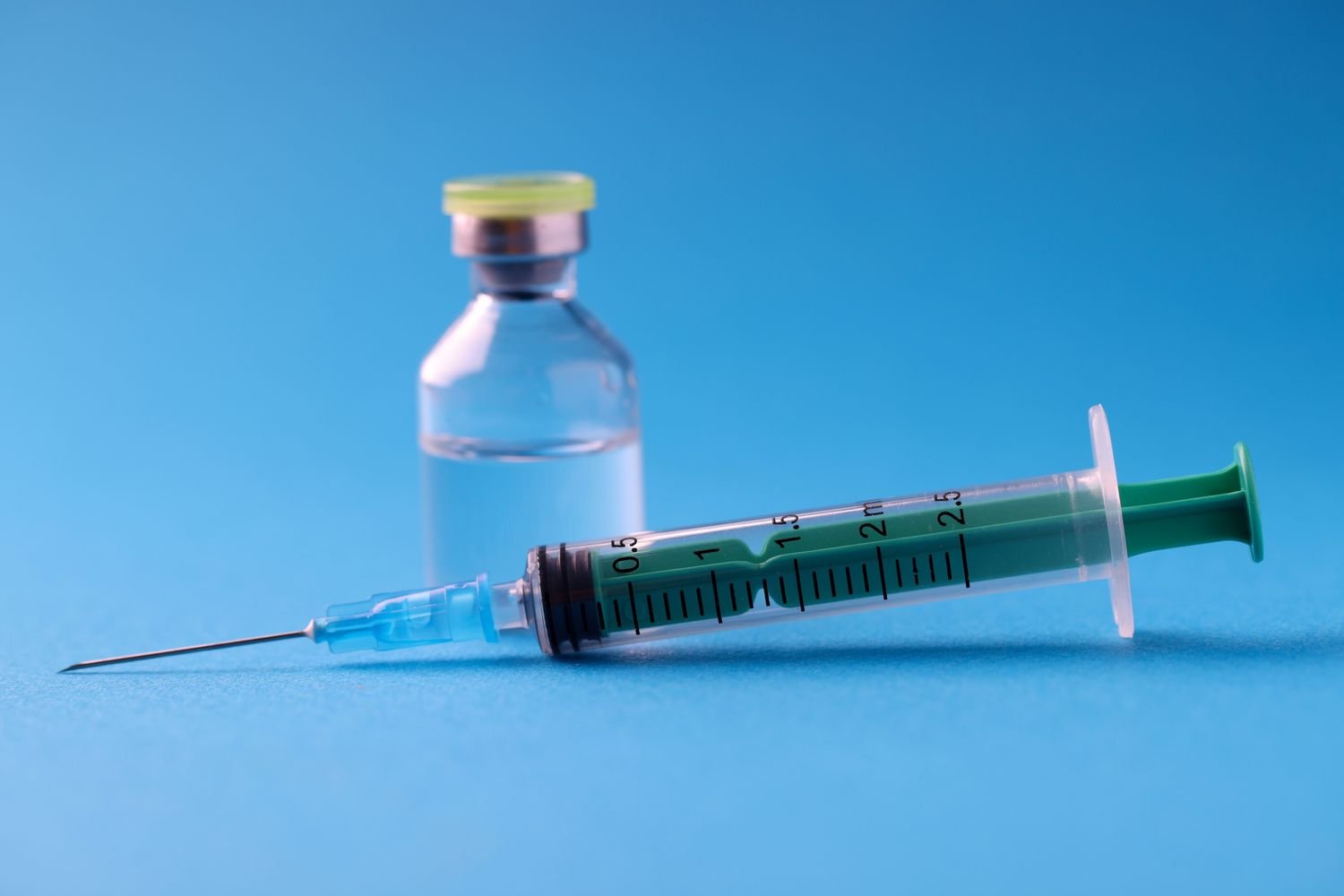
Key Takeaways
- Many injectable peptides are unregulated and have not been reviewed for safety by the FDA.
- Users have reported side effects such as injection site reactions, fatigue, headaches, and gastrointestinal issues.
- Experts say dosing, safety, and long-term risks remain unclear, especially when products come from unregulated compounding pharmacies.
Injectable peptides have surged in popularity as a wellness trend promoted by celebrities and fitness influencers. Peptides are short chains of amino acids that form the building blocks of proteins, and they’re marketed as being able to speed injury recovery, build muscle, slow signs of aging, and even support weight loss.
However, many injectable peptides are not approved by the Food and Drug Administration (FDA), and they could be risky.
What Are Injectable Peptides?
There are many unregulated injectable peptides on the market with names that sound like science fiction robots, including BPC-157, which is touted for wound healing and injury recovery, and CJC-1295, which is said to increase muscle mass. These haven’t been well-studied or reviewed for safety by the FDA.
“We still really don’t know if the benefits seen through pre-clinical and animal trials will actually translate to results with humans. It’s great to see that we are continually pushing the envelope of wellness and recovery, but we need more research to fully tell if this will be beneficial,” Anthony C. Tam, MD, primary care and sports medicine doctor with Detroit-based Henry Ford Health, told Verywell in an email.
Here are five risks to consider before taking unregulated peptide injections.
1. Injection Site Pain or Skin Reaction
Peptide injections may cause skin reactions, and some people who use BPC-157 have reported injection site pain and swelling.
Monitor your skin for redness, pain, swelling, or skin changes at the injection site. However, since these products are unregulated, you may not know what side effects to expect, said Lauren A. Fine, MD, FAAD, a board-certified dermatologist and founder and medical director of Fine Dermatology in Chicago.
“If anything feels different or anything happens in the 24 to 72 hours after injection, that could be a side effect. But it’s the Wild West because you don’t know,” Fine said.
2. Potential Drug Interactions
Another concern about unregulated peptide injections: unknown drug interactions. We don’t know if “there are any medication interactions or interactions with specific medical conditions that we need to be concerned about,” Tam said.
Despite the unknowns, it is still a good idea to talk with your healthcare provider about any risks of combining peptide injections with your current medications, he added.
3. Fatigue or Headaches
Some people have reported fatigue, headaches, and light-headedness after taking these unregulated peptide injections, Tam said.
Headaches and drowsiness can also signal low blood sugar levels from certain FDA-approved peptide injections, like Ozempic (semaglutide).
4. GI Issues or Appetite Changes
Approved peptide injections have been associated with gastrointestinal issues (GI). People taking insulin injections may have constipation, and those taking semaglutide injections may experience nausea, vomiting, diarrhea, and stomach pain.
Gastrointestinal issues and appetite changes are also commonly reported with unapproved injectable peptides, Tam said.
Too Many Unknowns With Injectable Peptides
Fine said that without formal testing, it’s hard to recommend the appropriate dosing, route of administration, or frequency of use for these injectable peptides.
The long-term risks associated with unregulated peptide injections are also unclear, especially since these are often made at unregulated compounding pharmacies. Compounding pharmacies, which don’t produce FDA-approved medications, have come under fire for producing low-quality or counterfeit GLP-1 medications.
“That’s two things that are unregulated together—an unregulated treatment made in an unregulated pharmacy. That’s just too many unknowns for most physicians,” Fine said.
:max_bytes(150000):strip_icc():format(webp)/StephanieBrownnewheadshot-e5ca9ba2a404491384e9300a7871f190.jpg)