dailynewsnblog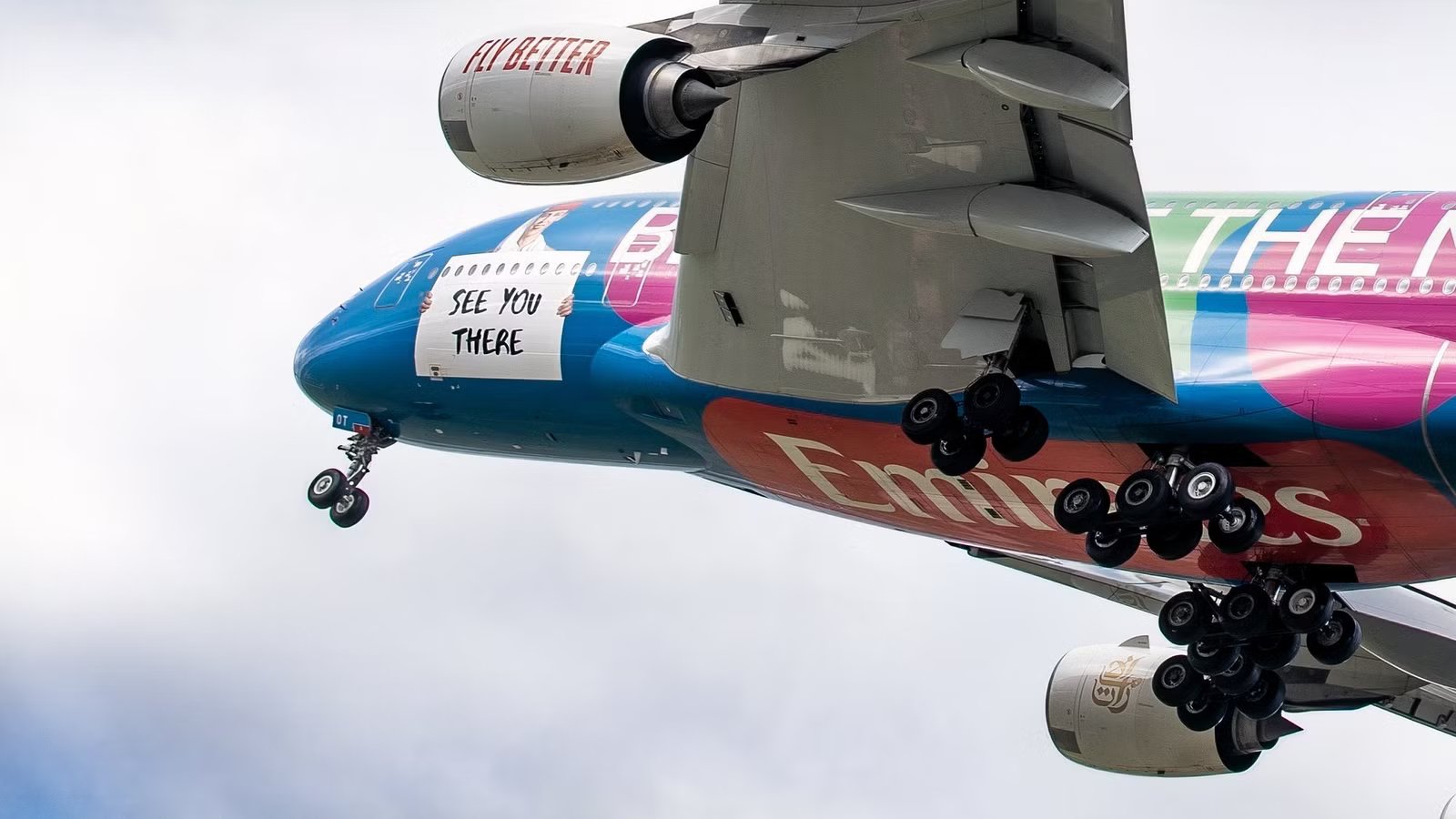
Everyone knows what is happening in the Middle East. The consequences on aviation are substantial and many. One impact is that continued airspace closures mean that aircraft from the affected countries remain displaced at airports worldwide. This usually happens, with the crew also in the wrong places. These things, while inevitable, will extend the recovery process.
As  London Heathrow is the most-served European airport by the affected Middle Eastern carriers, it is not surprising that it has many grounded aircraft. This includes multiple Airbus A380s that’d ordinarily only be on the ground for the usual turnaround. The parking charges alone must be significant, although the airlines have little alternative. All the aircraft mentioned in this article arrived on February 28, with the times referring to that day.
Twelve Of The Aircraft Are From Emirates, Etihad, And Qatar Airways

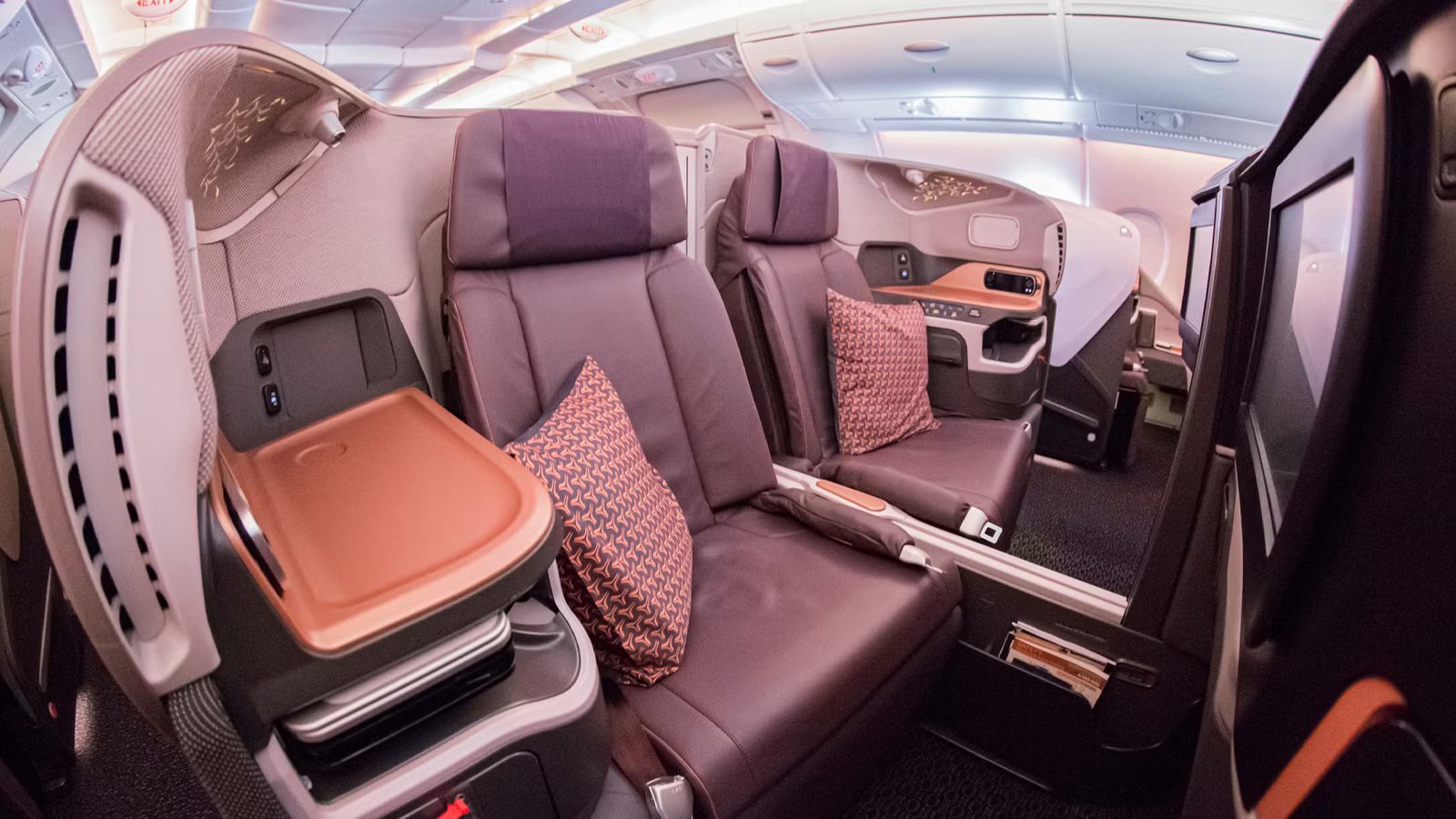
Analysis of Flightradar24 data shows that  Emirates has three A380s parked at Heathrow. They’re A6-EEC (which arrived at 1:59 pm), A6-EEL (6:43 am), and A6-EEU (Destination Dubai livery; 11:23). They’re now down to leave on March 3, but that is just temporary. It depends entirely on the situation, and may be pushed back again.
 Etihad also has three jets parked there. They are A6-APH, which is an A380 (landed at 6:19 am), A6-BLA, a 787-9 (3:41 pm), and A6-BMJ, a 787-10 (11:14 am). Compared with Emirates and Etihad, Qatar Airways has double the number of aircraft grounded at Heathrow. That’s not surprising, as it has more flights than them, including more early in the morning.
Qatar Airways has six aircraft at the UK’s busiest airport. First, there are the Airbus aircraft: A7-ALZ, an A350-900 (landed at 11:13 am), A7-ANH, an A350-1000 (more on this frame later in the article), and A7-APC, an A380 (6:13 am). Second, there are the Boeing alternatives, all of which are 777-300ERs: A7-BAK (touched down at 6:24 am), A7-BEL (1:48 pm), and A7-BEU (7:02 am).
Then There’s Gulf Air & Kuwait Airways

These two carriers get far less attention than their more high-profile Gulf competitors. Nonetheless, they have also been affected, and aircraft are also on the ground. In some ways, the consequences are more dramatic on them. After all, their fleets are much smaller, with one or two grounded frames having a disproportionately large impact. Of course, having far smaller networks mean that it’d be much easier to manage.
According to Flightradar24, two Gulf Air fames are at Heathrow. They’re A9C-FD (which arrived at 6:10 am) and A9C-FJ (3:10 pm). Kuwait Airways tends to receive even less focus than the Bahrain-hubbed alternative Gulf Air. Only one of its aircraft is at the UK’s busiest airport. It’s 9K-AOC, a 777-300ER (landed at 2:01 pm). The airline’s second flight of the day, which was due to leave Kuwait at 12:15 pm, was canceled.
|
Planned Arrivals At Heathrow On February 28* |
Aircraft On The Ground At Heathrow** |
|
|---|---|---|
|
Emirates |
7 |
3 |
|
Etihad |
4 |
3 |
|
Gulf Air |
2 |
2 |
|
Kuwait Airways |
2 |
1 |
|
Qatar Airways |
8 |
6 |
|
* Passenger flights only |
** Known as of March 2 |

Terminal Chaos: Thousands Sleep In Airports As Middle East Hubs Remain Crippled
The region’s air travel infrastructure has come to a halt.
A Look At Qatar Airways’ A350-1000, A7-ANH

On February 28, many aircraft turned around while they were flying en route to or from the affected Gulf hubs. In some extreme cases, they had already been in the air for many hours, but returned to where they had come from. This is because it’s usually easier to deal with passengers at the carrier’s hub or at a major station in the airline’s network. Many operators also diverted aircraft to another airport while en route.
Of the 15 aircraft identified in this article, only one of them had already left Heathrow to fly back to the Middle East. It was A7-ANH, which is a seven-year-old A350-1000. It was operating QR5, which Cirium Diio shows was due to depart from Heathrow at 8:05 am, having landed the previous night. According to Flightradar24, the aircraft departed from Heathrow at 8:29 am and had got to Luxembourg, when it was told to return to the UK. Like the other 14 aircraft identified in this article, it remains to be seen how long it’ll remain there.