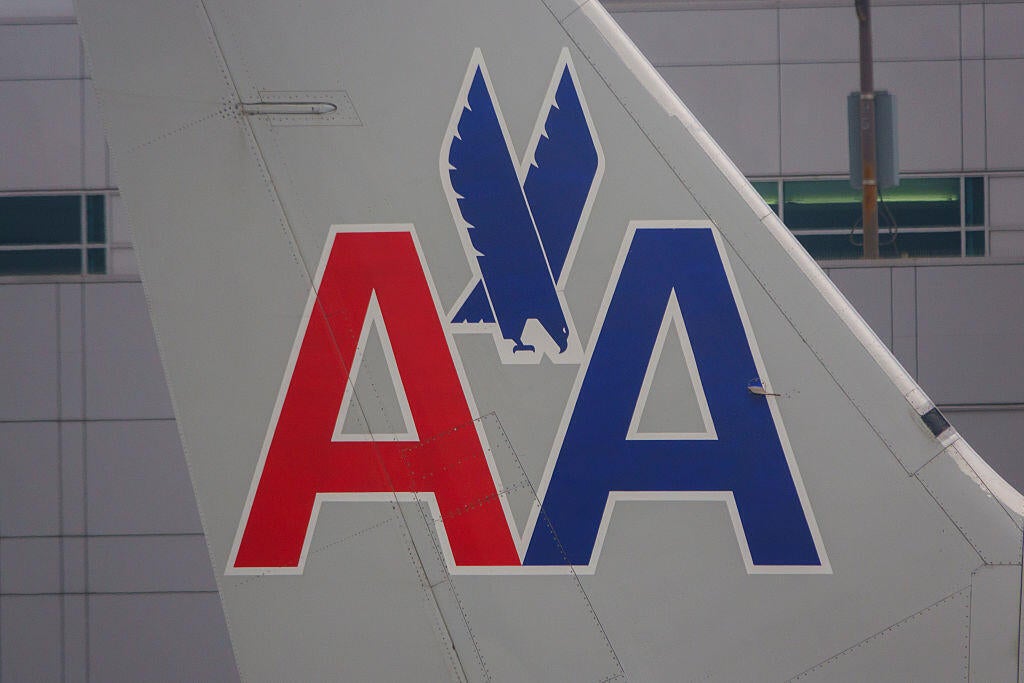
On Friday evening, the tarmac at Ronald Reagan Washington National Airport witnessed a ground-level contact incident involving two American Airlines aircraft. The wingtips of the two jets made physical contact during taxiing operations, an event that, while alarming in its proximity to a controlled airspace environment, resulted in no injuries to passengers or flight crew. The immediate focus of airport operations and airline management shifted to assessing the structural integrity of the aircraft and securing the safety of the surrounding tarmac area.
The incident took place within the complex grid of runways and taxiways at DCA, a facility renowned for its high density of commercial traffic and strict operational limitations. Unlike runway incursions which involve high-speed movements, this event occurred during the slower, more controlled phase of taxiing, yet the physical nature of the contact necessitated a thorough inspection of the wing structures. The proximity of the two aircraft during this maneuver highlights the precision required in ground control communications and pilot adherence to separation standards in a confined environment.
In the immediate aftermath, American Airlines and airport authorities initiated standard emergency response protocols to ensure the safety of all individuals on the tarmac. While no official statements regarding specific cause have been released in the initial hours, the absence of injuries is a critical factor in the preliminary assessment. Both the airline and the airport management are expected to coordinate with federal regulators to document the sequence of events, focusing on communication logs, taxiing speeds, and visual conditions at the time of the contact.
In-Depth Analysis & Key Details
Ground contact incidents, while less frequent than mid-air near-misses, represent a significant category of operational risk in modern aviation. Historically, the shift toward higher frequency flight operations at major hubs like Reagan National has increased the complexity of tarmac management. The structural forces at play include the economic pressure to minimize turnaround times and the physical constraints of airport infrastructure, which can limit the number of available taxiways and holding points. This creates a dynamic where pilots and air traffic controllers must manage tight margins of error, particularly during peak evening hours when traffic volume is high.
From a regulatory perspective, the Federal Aviation Administration (FAA) maintains strict guidelines regarding taxiing procedures and separation standards. However, the human element remains a critical variable in these scenarios. Industry analysts observe that while technology such as ground-based radar and advanced communication systems has improved situational awareness, it does not eliminate the risk of miscommunication or visual obstruction. The economic consequences of such incidents, though minor in this case due to lack of injuries, can include significant delays, aircraft downtime for inspection, and potential reputational impacts for the carrier. Competing perspectives often arise regarding the balance between operational efficiency and safety margins, with advocates for stricter ground control protocols arguing that even minor contacts signal underlying systemic pressures.
Expert domain context suggests that the design of modern aircraft, with their increasingly large wingspans, necessitates careful planning of taxiing paths. The specific configuration of DCA, with its limited runway lengths and high traffic density, amplifies these challenges. Aviation safety advocates note that while the FAA's safety record remains robust, each incident, regardless of severity, serves as a catalyst for reviewing and reinforcing standard operating procedures. The technical intricacies of ground movement, including the coordination between multiple aircraft and ground vehicles, require continuous vigilance and training to mitigate risks.
"The absence of injury in this wingtip contact is a testament to the resilience of modern aviation safety systems, yet it serves as a stark reminder that the margin for error on the tarmac at a high-density hub like Reagan National is exceptionally thin."
Why This Matters & What Lies Ahead
For everyday travelers, incidents like this underscore the importance of robust safety protocols and the potential for minor disruptions to cascade into larger delays. While the immediate impact was limited to two aircraft, the psychological effect on passengers and the operational ripple effects on the airport's schedule can be significant. For the aviation industry, such events highlight the ongoing need for investment in ground safety technologies and training. The financial markets may react minimally to a single incident without injuries, but repeated occurrences could influence investor confidence in the operational reliability of major carriers and airports.
Looking ahead, stakeholders should monitor the Federal Aviation Administration's response to this incident, including any potential audits or recommendations for procedural changes at DCA. American Airlines is expected to conduct an internal review and may issue a public statement detailing their findings and corrective actions. Additionally, airport authorities may release data on tarmac traffic patterns and safety metrics in the coming weeks. These developments will be crucial in understanding whether this incident is an isolated event or indicative of broader systemic issues that require regulatory attention and industry-wide adaptation.
Source: Reported by CBS News · Analyzed & Synthesized by DNB Newsroom