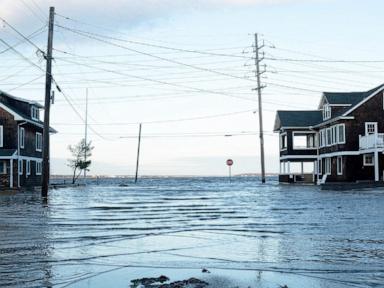
Heavy rain that inundated low‑lying neighborhoods along the Atlantic coast began to subside on Friday, allowing utility workers to move from emergency shutdowns to systematic restoration of service. The storm, which dumped more than six inches of rain in some locales, knocked out power for hundreds of thousands of homes and businesses, triggering widespread alerts from municipal authorities.
Repair crews from major providers such as Con Edison, PSE&G, and National Grid mobilized around the clock, focusing first on critical infrastructure like hospitals, water treatment plants, and transit hubs. By late afternoon, crews reported that electricity had been re‑energized for roughly 350,000 customers, with restoration rates accelerating as floodwaters receded and access to damaged substations improved.
Governor Kathy Hochul praised the swift response, stating that “the dedication of our first‑responders and utility partners is restoring light and confidence to our communities.” A spokesperson for the Federal Emergency Management Agency added that federal assistance would continue to support long‑term repairs, while local officials urged residents to remain cautious as cleanup operations proceed.
In-Depth Analysis & Key Details
The current event echoes a pattern of increasingly severe coastal storms that have strained the Northeast’s aging electrical grid over the past decade. Historical data from the National Oceanic and Atmospheric Administration shows a 30% rise in extreme precipitation events since 1990, a trend that utilities cite as a catalyst for investing in underground lines and smart‑grid technologies.
Regulatory bodies, including the Federal Energy Regulatory Commission, have been debating stricter resilience standards for utilities operating in flood‑prone zones. While some lawmakers argue for mandatory upgrades, industry groups caution that rapid mandates could inflate rates for consumers. The tension between preparedness and affordability is playing out in state legislatures, where proposals to create dedicated resilience funds are gaining traction.
Industry analysts note that the outage highlights a systemic vulnerability: many substations remain above ground and are exposed to rising sea levels. Investment analysts predict that utilities will increase capital expenditures on grid hardening by an average of 12% over the next five years, a shift that could reshape the regional energy market and influence shareholder expectations.
"The storm has laid bare the fragility of our aging power network, and the pace of restoration will be the true measure of preparedness."
Why This Matters & What Lies Ahead
For everyday residents, the return of electricity means the resumption of work‑from‑home activities, refrigeration of perishable food, and the restoration of heating systems ahead of colder nights. Businesses, particularly those reliant on continuous power such as data centers and manufacturing plants, face mounting losses that ripple through supply chains, potentially delaying shipments and inflating prices for consumers nationwide.
Legislators are now eyeing a series of hearings slated for early December, where utility CEOs and climate experts will discuss funding mechanisms for grid upgrades and the role of federal disaster relief. The outcomes of these sessions could dictate the speed at which resilient infrastructure is deployed, influencing everything from insurance premiums to the strategic planning of regional power markets.
Source: Reported by CBS News · Analyzed & Synthesized by DNB Newsroom