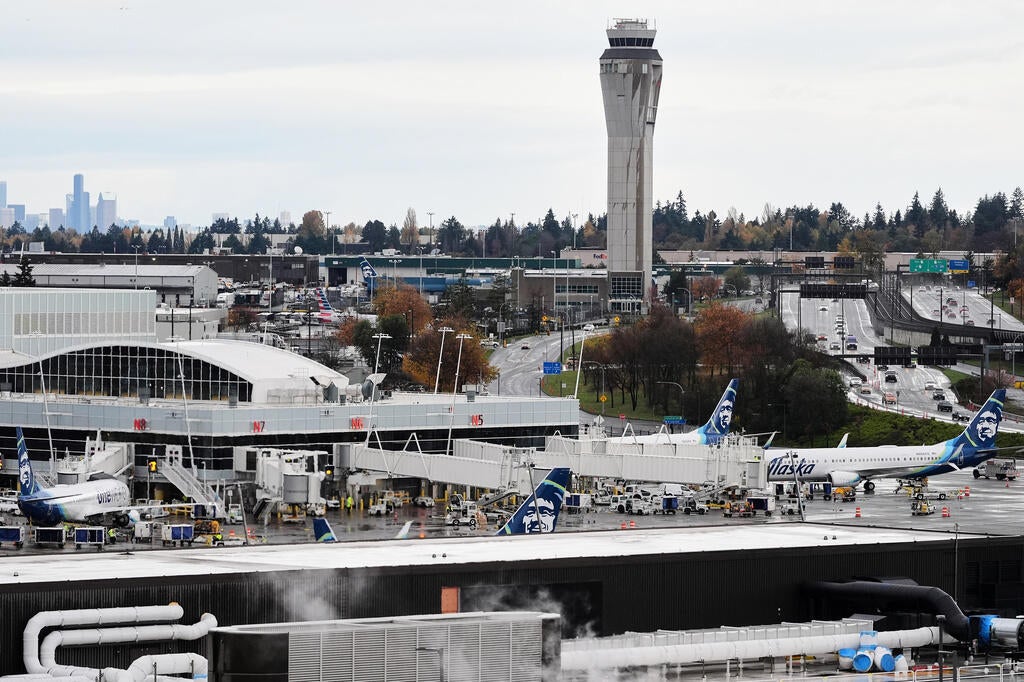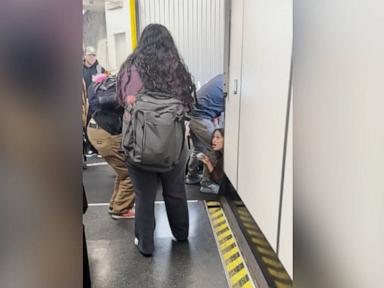
Washington state leadership has moved swiftly to criticize federal immigration enforcement actions following reports that plainclothes officers wearing masks detained two passengers at Seattle-Tacoma International Airport. The incident, which occurred while the individuals were in the process of boarding a commercial flight, has drawn immediate condemnation from state officials who argue that such tactics are inconsistent with the safety and transparency expected in public spaces. The state’s response marks a significant escalation in the ongoing dialogue between regional authorities and federal agencies regarding the scope and manner of immigration enforcement operations.
The geographical and operational context of the detention at Seattle-Tacoma International Airport adds a layer of complexity to the situation. As one of the busiest airports in the United States, the facility serves as a critical hub for domestic and international travel, making any disruption or perceived threat to passenger safety a matter of high public interest. The presence of masked, plainclothes agents in the boarding area has raised concerns among travelers and airport staff about the potential for confusion and panic, particularly in a environment where security protocols are already tightly controlled and visible.
In their initial statements, state officials emphasized that while they respect the rule of law, the methods employed by federal agents are not acceptable in a democratic society that values transparency and due process. They called for a clear delineation of roles between federal and state agencies, urging for a more coordinated approach that ensures public safety without compromising civil liberties. The immediate reaction from local community leaders and civil rights organizations has been supportive of the state’s stance, with many calling for an independent review of the incident to ensure accountability and prevent future occurrences.
In-Depth Analysis & Key Details
The incident at Seattle-Tacoma International Airport is not an isolated event but rather a manifestation of broader structural tensions between federal immigration enforcement and state-level civil liberties protections. Historically, the Pacific Northwest has been a region where state and local governments have frequently clashed with federal authorities over issues ranging from environmental regulations to immigration policy. This recent detention highlights the ongoing struggle for jurisdictional clarity in areas where federal and state powers overlap, particularly in spaces like airports that are under federal jurisdiction but serve state populations.
Competing perspectives on this issue reflect a deep divide in American politics regarding the role of federal immigration enforcement. Proponents of stricter enforcement argue that the use of plainclothes and masked agents is a necessary tactic to prevent the escape of individuals who may be subject to deportation or other legal actions. Critics, however, contend that such tactics erode public trust and create an atmosphere of fear and suspicion, particularly among immigrant communities. The economic consequences of these tensions are also significant, as they can affect local businesses and tourism industries that rely on a welcoming and safe environment for visitors and residents alike.
Expert domain context suggests that the incident may lead to increased scrutiny of federal enforcement practices in public spaces. Legal scholars and civil rights advocates are likely to argue that the use of masked agents in non-combat, civilian environments raises serious constitutional questions about due process and the right to know the identity of law enforcement officers. This could result in new legal challenges or legislative efforts to establish clearer guidelines for federal operations in state jurisdictions, potentially setting a precedent for similar incidents in other parts of the country.
"The use of masked, plainclothes agents in a civilian airport setting represents a troubling departure from the transparency and accountability that underpin our democratic institutions, raising urgent questions about the balance between national security and civil liberties."
Why This Matters & What Lies Ahead
For everyday readers, this incident has direct implications for their sense of safety and security in public spaces, particularly at major transportation hubs. The visibility of federal enforcement actions can influence travel decisions and community cohesion, potentially leading to increased anxiety among immigrant populations and their allies. Furthermore, the economic impact on local businesses and the tourism industry cannot be overlooked, as a climate of fear and uncertainty can deter visitors and harm the livelihoods of those who depend on these sectors.
Looking ahead, several key milestones and regulatory votes are worth monitoring. State legislatures may consider introducing bills that limit the use of plainclothes agents in public spaces or require greater transparency in federal enforcement operations. Additionally, legal challenges may be filed in federal court to test the constitutionality of such tactics, which could have far-reaching implications for immigration policy nationwide. Public hearings and community forums are also likely to be held to gather input from affected residents and stakeholders, providing a platform for dialogue and potential policy reform.
Source: Reported by ABC News · Analyzed & Synthesized by DNB Newsroom