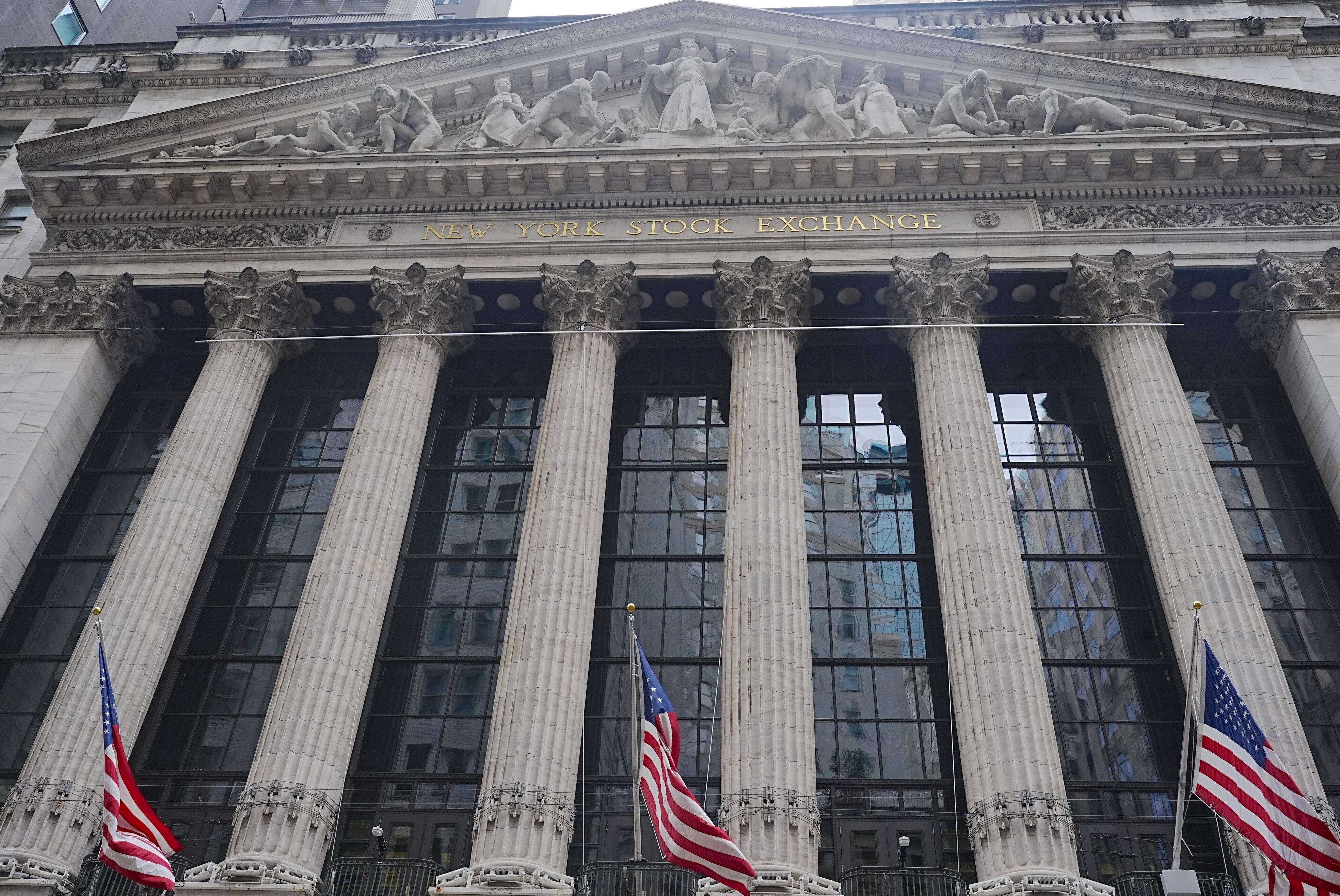
Wall Street experienced a broad‑based sell‑off on Tuesday, with the Dow Jones Industrial Average sliding 1,100 points, or roughly 3.2%, while the S&P 500 and Nasdaq Composite fell 3.5% and 4.7% respectively. The plunge was triggered by a confluence of factors, chief among them growing skepticism that the rapid expansion of artificial‑intelligence companies is inflating stock valuations beyond sustainable levels. Traders also cited lingering concerns over the Federal Reserve’s monetary stance and persistent inflationary pressure as catalysts for risk aversion.
The market turbulence unfolded across major U.S. exchanges, with technology firms such as Nvidia, Microsoft, and Alphabet seeing their shares tumble between 5% and 9% after earnings reports highlighted slower-than‑expected revenue growth. In response, the Federal Reserve’s spokesperson reiterated that the central bank remains vigilant about price stability, while the U.S. Securities and Exchange Commission signaled it will closely monitor disclosures related to AI‑driven business models. Institutional investors, including several pension funds, announced they are reallocating capital toward more defensive holdings, reflecting a broader shift in portfolio strategy amid the uncertainty.
In-Depth Analysis & Key Details
The current sell‑off cannot be viewed in isolation; it follows a multi‑year trajectory where AI hype has repeatedly reshaped market dynamics. Since late 2023, AI‑centric equities have attracted record inflows, driving price‑to‑earnings multiples to historic highs. However, a series of earnings misses and a tightening monetary environment have exposed the fragility of those valuations. Historically, periods of rapid technological adoption—such as the dot‑com boom—have been followed by corrective phases when growth expectations outpace fundamentals.
Regulatory scrutiny is intensifying as lawmakers and agencies grapple with the societal implications of generative AI. The SEC’s recent guidance on AI‑related disclosures underscores a growing demand for transparency, while the Federal Trade Commission is exploring antitrust concerns tied to data monopolies. Industry analysts note that this regulatory focus, combined with tighter credit conditions, could dampen speculative investment and force AI firms to demonstrate clearer pathways to profitability. The convergence of these forces is reshaping capital allocation across the broader technology sector.
Expert commentary from market strategists at major banks points to a recalibration of risk models that now factor in AI‑specific volatility metrics. These analysts observe that while AI remains a transformative force, the market is beginning to price in the likelihood of slower adoption curves and potential policy constraints. Consequently, investors are increasingly favoring companies with diversified revenue streams over pure‑play AI startups, a trend that may redefine sector leadership in the coming years.
"The market is learning that AI hype must be balanced with hard‑line fundamentals, and investors are finally demanding proof of sustainable earnings, not just visionary promises."
Why This Matters & What Lies Ahead
For everyday investors and retirees, the sharp decline in major indexes translates into reduced portfolio values and heightened anxiety about retirement savings. The volatility also reverberates through consumer credit markets, as banks tighten lending standards in response to heightened risk perception. Moreover, the pullback from AI‑centric stocks could slow private‑sector funding for emerging technologies, potentially delaying innovations that affect everything from healthcare diagnostics to autonomous transportation.
Policymakers and regulators will be watching upcoming congressional hearings on AI oversight, scheduled for early next quarter, alongside the Federal Reserve’s policy meeting later this month. These events will likely shape the regulatory landscape and influence market sentiment. Investors should monitor earnings releases from the sector’s leading firms and any SEC filing updates, as they will provide early signals about how the industry is adapting to both fiscal pressures and evolving compliance requirements.
Source: Reported by CBS News · Analyzed & Synthesized by DNB Newsroom