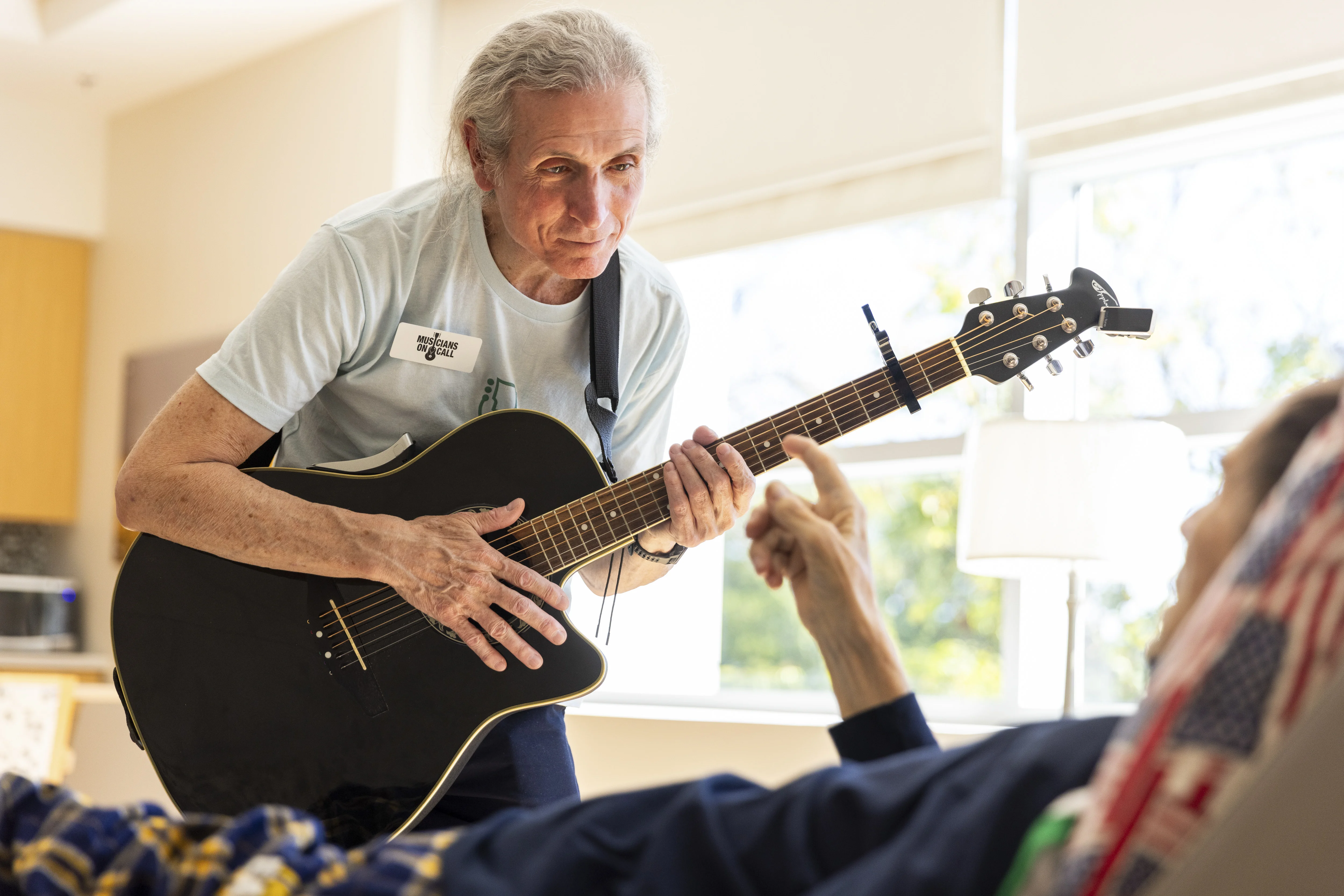
In a significant move to enhance the quality of life for those undergoing prolonged medical treatment, volunteer musicians are entering hospital wards to perform live songs for veterans and other hospitalized individuals. These performers are part of Musicians On Call, a specialized group dedicated to spreading the healing power of music within clinical settings. The initiative focuses specifically on veterans, acknowledging the unique psychological and physical challenges they face during hospitalization, and extends its services to other patients who may benefit from the calming and engaging effects of live music.
The operational context of this program involves direct, in-person interaction between trained musicians and patients, moving beyond recorded audio to provide a dynamic, responsive therapeutic experience. By performing within the hospital environment, these volunteers create a temporary respite from the sterile and often stressful atmosphere of medical facilities. This approach allows patients to engage with art in a personal and immediate manner, potentially reducing feelings of isolation and anxiety that can accompany extended stays in healthcare institutions.
Representatives of the organization emphasize that the core mission is to utilize music as a vehicle for healing, recognizing its profound impact on emotional and mental health. The group’s activities are structured to ensure that the musical performances are appropriate for the setting and the needs of the patients, fostering a supportive and compassionate environment. Stakeholders in the healthcare sector have noted that such programs contribute to a more humane and patient-centered approach to care, addressing aspects of well-being that clinical procedures alone cannot fully satisfy.
In-Depth Analysis & Key Details
The integration of music into hospital care is not a new concept, but the organized, volunteer-driven model of Musicians On Call reflects a maturing recognition of the arts' role in healthcare. Historically, music therapy has been studied for its ability to reduce pain perception, lower blood pressure, and improve mood. However, the specific focus on veterans underscores a commitment to addressing the unique post-service challenges faced by this population, including trauma, chronic pain, and readjustment to civilian life. This targeted approach suggests a deeper understanding of the specific needs of veteran patients compared to general hospital populations.
From a regulatory and institutional perspective, the proliferation of such volunteer programs highlights a gap in standard medical care that traditional funding and staffing models may not adequately address. While hospitals provide essential medical treatment, they often lack the resources to offer extensive emotional and psychological support through non-clinical means. The presence of Musicians On Call suggests that there is a demand for such services, driven by patients, families, and healthcare providers who recognize the limitations of purely biomedical approaches. Industry analysts observe that this model could potentially be scaled or adapted by other healthcare systems seeking to improve patient satisfaction and outcomes without incurring the high costs associated with additional clinical staff.
The technical intricacies of implementing such a program involve careful coordination between volunteer musicians, hospital administrators, and patient care teams. Ensuring that the music performed is appropriate for the patient's condition and preferences requires a degree of sensitivity and professionalism. Furthermore, the volunteers must adhere to hospital protocols regarding infection control, privacy, and patient safety. This level of coordination indicates a structured and well-organized operation, rather than an ad-hoc effort, which is crucial for maintaining the integrity and effectiveness of the program.
"The deployment of live music in hospital wards represents a critical bridge between clinical treatment and human connection, addressing the emotional voids that medicine alone cannot fill."
Why This Matters & What Lies Ahead
For everyday readers and patients, the existence of programs like Musicians On Call signifies a more compassionate and holistic approach to healthcare. It offers a tangible example of how non-medical interventions can contribute to the overall well-being of individuals, particularly those in vulnerable situations such as veterans. This can influence public perception of hospital care, encouraging support for initiatives that prioritize patient experience and emotional health alongside physical treatment. For families and caregivers, it provides an additional resource for supporting loved ones during difficult hospital stays.
Looking ahead, the success and visibility of such volunteer programs may influence legislative and policy discussions regarding the integration of arts-based therapies into public health funding. As healthcare systems continue to face pressure to reduce costs and improve outcomes, evidence-based non-pharmacological interventions like music may gain greater traction. Stakeholders should monitor the expansion of Musicians On Call and similar organizations, as well as any policy changes that might support or mandate the inclusion of such services in hospital care plans. Upcoming milestones could include partnerships with larger healthcare networks or government grants to sustain and expand these vital community resources.
Source: Reported by NPR · Analyzed & Synthesized by DNB Newsroom