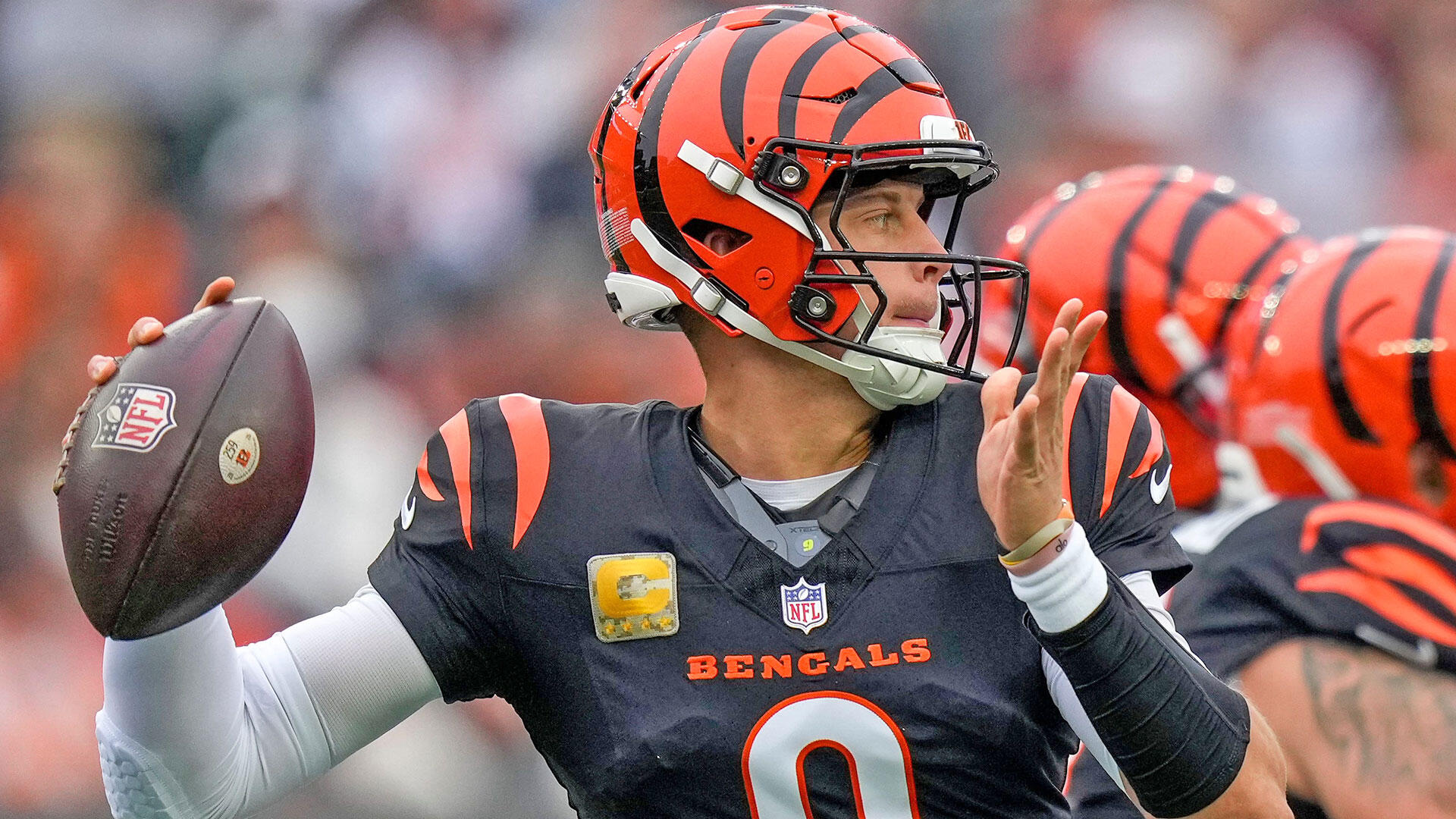
The first month of the 2026-27 NBA regular season has drawn to a close, revealing a landscape defined by the exceptional rise of Victor Wembanyama and a troubling uptick in player injuries. As the league transitions into its second month, the narrative has shifted from preseason speculation to concrete performance metrics, with Wembanyama’s impact on the San Antonio Spurs serving as the central focal point for analysts and fans alike. His ability to dominate both ends of the floor has not only elevated his team’s standing but has also reset expectations for what a young superstar can achieve in their formative years.
Geographically and operationally, the season’s early stretch has seen teams across the Eastern and Western Conferences grapple with unpredictable roster availability. While Wembanyama’s Spurs have leveraged his presence to secure key victories, other franchises have found their momentum derailed by unexpected absences. This pattern has created a fragmented competitive environment where depth and medical staff efficiency are proving as significant as talent acquisition. The dispersion of injuries across multiple teams indicates that the issue is not isolated to a single franchise but is a broader league-wide phenomenon affecting scheduling and game planning.
Official reactions from team executives and league officials have focused on the resilience of the players and the adaptability of coaching staffs. While no specific disciplinary or regulatory actions have been announced, the emphasis has been on monitoring player health and ensuring sustainable workloads. The immediate response from stakeholders underscores a commitment to balancing competitive intensity with player welfare, a balance that will be scrutinized as the season progresses and the stakes for playoff positioning rise.
In-Depth Analysis & Key Details
Historically, the NBA has faced periodic challenges related to player health, but the concentration of injuries in the first month of the 2026-27 season marks a notable deviation from previous trends. Structural forces such as increased game density, travel demands, and the physical toll of high-intensity play contribute to this environment. Industry analysts observe that the league’s scheduling model, while designed to ensure competitive balance, may be placing unprecedented stress on rosters, particularly those lacking deep bench talent. This structural tension highlights the ongoing debate between maximizing commercial exposure through a packed schedule and preserving the long-term health of the league’s assets.
Competing perspectives within the league focus on the trade-off between short-term performance and long-term sustainability. Some front offices advocate for aggressive load management to protect star players, while others argue that consistency in lineup deployment is essential for team chemistry and fan engagement. The economic consequences of this debate are significant, as injury-driven absences can impact ticket sales, merchandise revenue, and media rights value. Regulatory bodies within the league are likely to review these metrics as the season progresses, potentially adjusting protocols to mitigate future risks.
Expert domain context suggests that the current injury trend may be influenced by evolving training methodologies and recovery technologies. While advancements in sports science have improved player health in many areas, the rapid pace of the modern NBA may be outpacing these tools. The integration of data-driven health monitoring is becoming a critical differentiator for teams, with franchises investing heavily in analytics to predict and prevent injuries. This technological arms race underscores the complexity of managing a professional sports league in an era of heightened scrutiny and expectation.
"The 2026-27 season is being defined not just by who can score, but by who can withstand the physical demands of a modern NBA schedule."
Why This Matters & What Lies Ahead
For everyday readers and fans, the injury crisis and Wembanyama’s rise have direct implications on the viewing experience and team loyalties. Fans are witnessing a league where star power is more critical than ever, but also more fragile, leading to increased engagement with player health updates and team strategies. Financially, the league’s revenue streams are tied to consistent performance and high-profile games, meaning that prolonged absences could impact the overall economic health of franchises. This dynamic also influences public policy discussions around athlete welfare, potentially leading to new regulations or guidelines for player load management.
Upcoming milestones to watch include the mid-season trade deadline, where teams may seek to address roster gaps created by injuries. Additionally, league-wide reviews of scheduling and health protocols are expected to be announced, providing a clearer picture of how the NBA plans to address the current challenges. Fans and stakeholders should monitor official league announcements and team-specific updates for any changes in player availability or strategic adjustments, as these factors will shape the remainder of the season and the league’s long-term trajectory.
Source: Reported by Yahoo Sports · Analyzed & Synthesized by DNB Newsroom