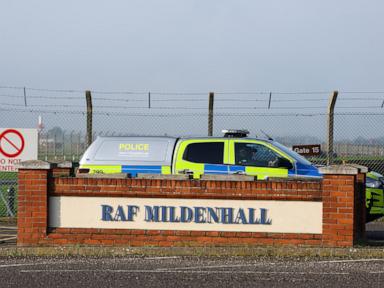
In early November, the U.S. Department of Defense directed a fleet of aerial refueling aircraft to relocate from stateside bases to two German airfields, citing an emerging, though undisclosed, threat linked to Iran. The order moved both KC‑135 Stratotankers and the newer KC‑46 Pegasus platforms, bringing the assets within striking distance of NATO’s eastern flank.
The tankers are now stationed at Ramstein Air Base and Spangdahlem Air Base, where they will support fighter squadrons operating out of Europe and the Middle East. By positioning fuel‑delivery capability closer to potential flashpoints, the United States aims to reduce transit times for combat aircraft and preserve sortie rates amid heightened alertness.
A senior U.S. official told ABC News that the relocation reflects a “proactive stance to keep our aircraft, personnel and installations safe and secure.” NATO allies welcomed the move as a reinforcement of collective defense, while regional experts cautioned that the shift could be interpreted as escalation by Tehran.
In-Depth Analysis & Key Details
Aerial refueling has been a cornerstone of U.S. power projection in Europe since the Cold War, allowing fighters to operate continuously across the continent. Recent Iranian rhetoric over the past year, including threats to target U.S. assets in the region, has revived concerns about air‑space denial tactics that could cripple forward‑deployed forces.
Under NATO’s enhanced forward presence, member states share air‑space monitoring and command structures, yet each nation retains sovereignty over its own bases. The German relocation triggers a review of bilateral agreements governing fuel storage, environmental compliance, and flight‑path coordination, potentially prompting revisions to the Status of Forces Agreement that governs U.S. troops on German soil.
Aviation safety advocates note that operating high‑maintenance tankers far from their primary depots raises logistical challenges, from spare‑part supply chains to specialized crew training. Defense analysts observe that the move could increase operational costs by 10‑15 percent, but argue that the strategic benefit of rapid refuel capability outweighs the budgetary impact.
"Moving the tankers is a clear signal that the United States will pre‑emptively safeguard its air power rather than wait for a crisis to unfold."
Why This Matters & What Lies Ahead
For ordinary citizens, the presence of additional military aircraft may lead to increased air traffic over civilian routes, prompting tighter coordination with air‑traffic control and possibly affecting commercial flight schedules. Moreover, the heightened U.S. posture could influence energy markets, as fuel consumption by the tankers adds pressure to already volatile oil prices linked to Middle‑East instability.
Congressional committees are expected to request briefings on the deployment during the upcoming National Defense Authorization Act hearings in December, while NATO’s next summit in early 2027 will likely address the broader implications of U.S. force realignment. Observers will watch for any diplomatic response from Tehran that could either de‑escalate or further inflame the situation.
Source: Reported by ABC News · Analyzed & Synthesized by DNB Newsroom