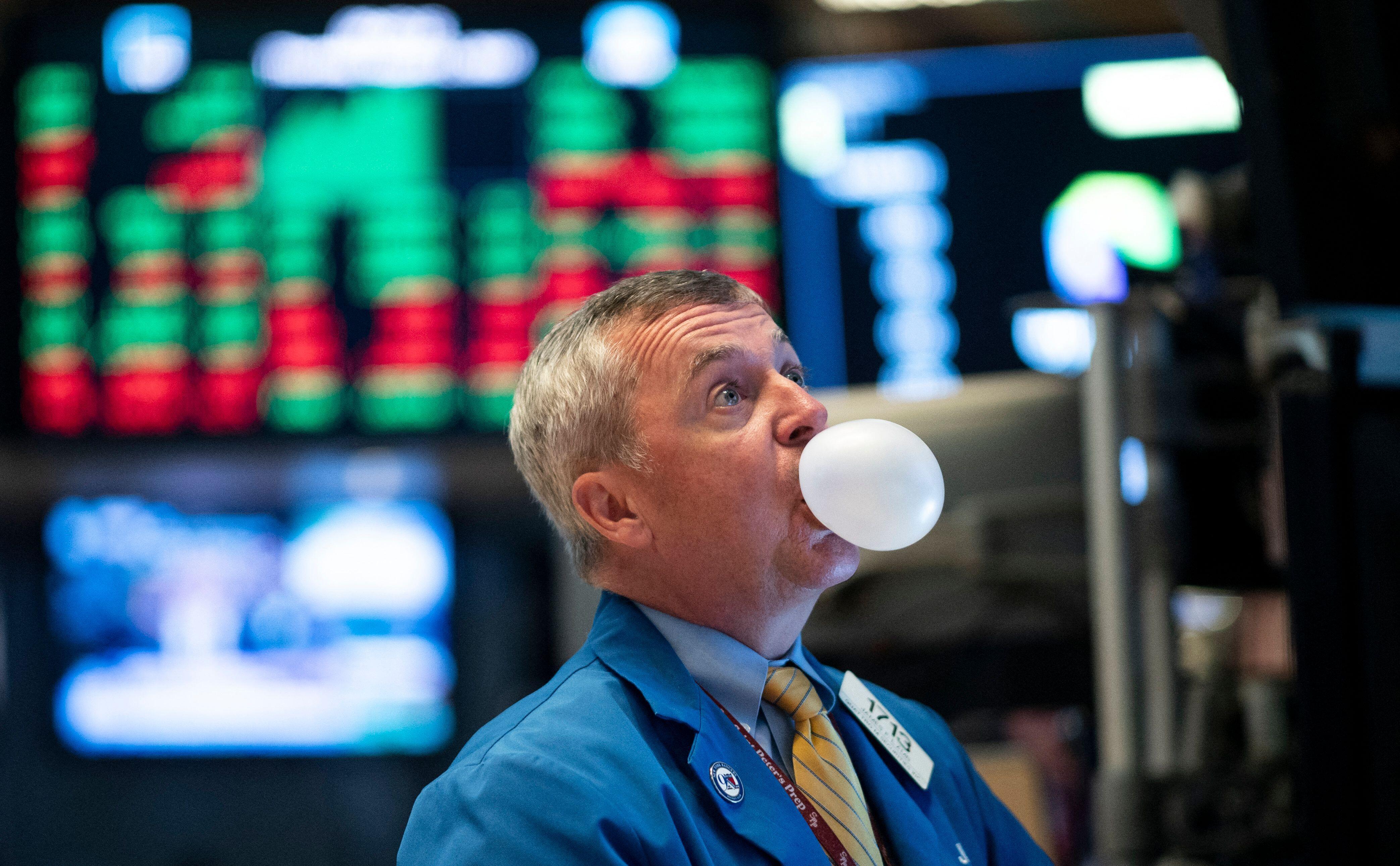
The United States economy is currently navigating a paradoxical landscape where fundamental growth indicators remain robust, yet financial markets are exhibiting unprecedented levels of instability. While recent data points to a surge in economic activity, equity markets have responded with erratic price movements, leaving investors uncertain about the trajectory of the broader market. This divergence has prompted a wave of concern among financial strategists, who are grappling with the implications of a strong economy coexisting with a nervous stock market.
The immediate context of this volatility is rooted in the ongoing tension between inflationary pressures and the Federal Reserve’s monetary policy stance. As the economy continues to expand, the persistence of elevated price levels has kept interest rates at restrictive levels, impacting borrowing costs for both businesses and consumers. This environment has created a fragile foundation for market stability, where even minor shifts in economic data or policy signals can trigger significant market reactions. The geographical and sectoral impact of this volatility is widespread, affecting everything from technology stocks to small-cap equities, reflecting a broad-based reassessment of risk.
In response to these mixed signals, economists and market analysts have emphasized the need for caution and a nuanced understanding of the current economic landscape. Official remarks from financial institutions suggest that while the core economy is healthy, the market’s volatility is a rational response to uncertainty about future growth and policy direction. Stakeholders, including major asset managers and investment banks, are advising clients to maintain diversified portfolios and to remain vigilant to upcoming economic indicators that could further clarify the path forward.
In-Depth Analysis & Key Details
The historical background of this phenomenon reveals a pattern where strong economic growth does not always translate into stable equity markets, particularly in periods of monetary transition. Previous cycles have shown that when inflation remains sticky despite economic expansion, markets often struggle to price in the long-term implications of high interest rates. This structural force, combined with the current geopolitical and regulatory environment, has amplified the sensitivity of financial markets to new information. The technical intricacies of this situation involve the complex interplay between bond yields, equity valuations, and consumer confidence, all of which are under pressure from the current macroeconomic conditions.
Competing perspectives among economists highlight the debate over whether the current volatility is a temporary correction or a sign of deeper structural issues. Some analysts argue that the market is overreacting to short-term data, while others contend that the persistence of inflation and the lagging effects of monetary policy are creating a genuine risk to future growth. Regulatory debates surrounding financial stability and market oversight are also intensifying, with policymakers considering whether additional measures are needed to mitigate systemic risks. The economic consequences of these tensions are already visible in the form of reduced corporate investment and cautious consumer spending.
Expert domain context from financial institutions and economic research firms indicates that the current situation requires a detailed analysis of sector-specific trends and individual company fundamentals. Aviation safety advocates and other industry-specific analysts note that certain sectors are more resilient to economic volatility, while others face significant headwinds. The technical aspects of market modeling and risk assessment are being updated to account for the increased uncertainty, with a focus on stress-testing portfolios against various economic scenarios. This expert consensus underscores the importance of a data-driven approach to navigating the current market environment.
"The disconnect between a surging economy and a volatile stock market is not a sign of failure, but a reflection of the complex, multi-dimensional challenges facing modern financial systems in an era of persistent inflation and monetary uncertainty."
Why This Matters & What Lies Ahead
For everyday readers, this economic and market volatility has direct implications for personal finance, retirement planning, and consumer confidence. As stock markets fluctuate, the value of retirement accounts and investment portfolios can be significantly impacted, potentially altering long-term financial goals. Additionally, the broader economic uncertainty may lead to more cautious spending and investment decisions, affecting everything from housing markets to small business operations. Public policy responses to these challenges will also play a crucial role in shaping the economic outlook, with potential legislative actions aimed at stabilizing markets and supporting economic growth.
Upcoming milestones to monitor include the release of key economic indicators such as inflation data, employment reports, and GDP figures, which will provide further clarity on the direction of the economy. Regulatory votes and monetary policy decisions by the Federal Reserve will also be critical in determining the future trajectory of interest rates and market stability. Investors and policymakers alike will be closely watching these developments to assess the sustainability of the current economic growth and to make informed decisions about future actions. The next few months will be pivotal in determining whether the market can find a new equilibrium or if further volatility is likely.
Source: Reported by CBS News · Analyzed & Synthesized by DNB Newsroom