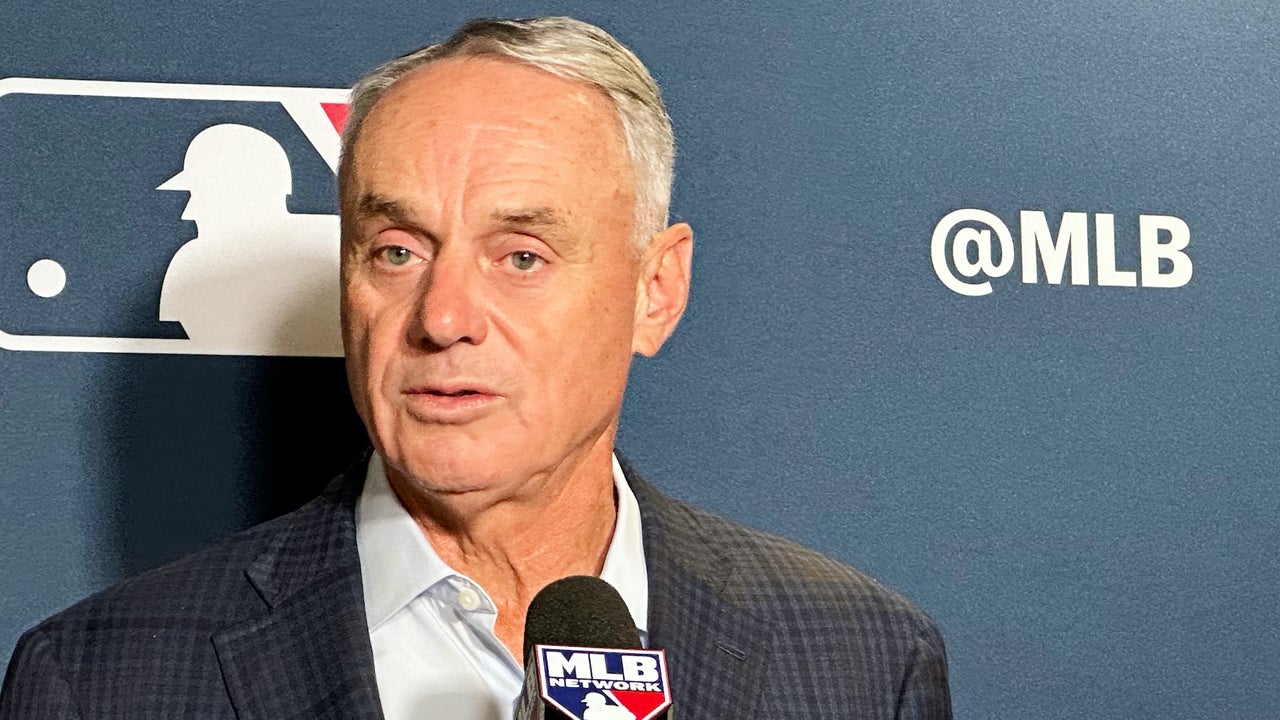
In a decisive escalation of the ongoing labor standoff, Major League Baseball filed a formal lawsuit against the Major League Baseball Players Association in federal court on Wednesday. The 38-page complaint seeks a declaratory judgment from the court, asking federal judges to rule that the league's planned lockout, scheduled to commence next week, is a lawful exercise of its rights as an employer. By taking this step, the league is attempting to lock down the legal parameters of the dispute before the work stoppage officially begins, thereby limiting the tactical options available to the players' representatives.
The filing marks a significant departure from standard labor negotiations, moving the conflict from the bargaining table to the courtroom. The league's legal team argues that the union's threats to decertify and pursue antitrust remedies are premature and legally unsound. By seeking a pre-emptive ruling, MLB aims to establish a judicial baseline that validates its right to impose a lockout, a move that could significantly constrain the union's ability to leverage the threat of antitrust litigation to force concessions on contract terms.
The immediate response to the filing underscores the high stakes involved in this industrial action. While the league maintains that this is a procedural necessity to ensure a fair and orderly resolution, labor advocates view it as an aggressive tactic to disadvantage the players. The court's decision on how to handle this declaratory judgment request will likely determine whether the dispute remains a traditional labor negotiation or evolves into a complex legal battle over the boundaries of antitrust law in professional sports.
In-Depth Analysis & Key Details
The historical context of this lawsuit reveals a pattern of strategic legal maneuvering in professional sports labor relations. Previously, the Major League Baseball Players Association has utilized the threat of decertification to pressure the league, a tactic that relies on the union's ability to file antitrust suits if a lockout occurs. By suing first, MLB is attempting to invert this dynamic, forcing the union to defend its legal standing rather than attack the league's actions. This approach reflects a broader trend in high-stakes labor disputes where employers seek to establish legal precedents that limit the scope of collective bargaining power.
Regulatory and legal experts note that the core of the dispute revolves around the interpretation of labor laws in the context of professional sports. The league argues that its actions are protected under labor exemptions, while the union contends that the lockout is an unfair labor practice. The economic implications are substantial, as a prolonged legal battle could delay the start of the season, impacting revenue streams for both the teams and the players. Industry analysts observe that this legal strategy may set a precedent for other professional leagues facing similar labor impasses, potentially reshaping the landscape of sports labor law.
The technical intricacies of the case involve complex questions about the timing and legality of decertification. If the court rules in MLB's favor, it could effectively strip the union of its ability to use antitrust law as a bargaining chip, leaving the players with fewer legal tools to challenge the lockout. Conversely, if the court sides with the union, it could validate the players' strategy and potentially lead to a quicker resolution of the contract dispute. The outcome will hinge on how the federal judges interpret the existing body of labor law and the specific circumstances of this dispute.
"By filing this suit, MLB is not merely defending a lockout; it is attempting to rewrite the legal rules of engagement in professional sports labor disputes, forcing the union to fight on the league's chosen battlefield."
Why This Matters & What Lies Ahead
For fans, broadcasters, and the broader sports economy, the outcome of this legal battle will directly impact the timing and certainty of the upcoming baseball season. A prolonged legal dispute could result in a delayed start, affecting ticket sales, merchandise revenue, and broadcast contracts. Consumers and stakeholders in the sports industry are closely monitoring the court's rulings, as they will determine whether the season proceeds as scheduled or faces further disruption. The financial implications extend beyond the league, affecting local economies in host cities and the broader entertainment sector.
Key upcoming milestones include the federal court's decision on the declaratory judgment request, which is expected in the coming weeks. This ruling will likely determine whether the lockout proceeds as planned or if the parties are compelled to return to the negotiating table. Additionally, the potential for an expedited hearing or a preliminary injunction will be critical factors in determining the timeline for resolution. Stakeholders should monitor court filings and any subsequent statements from both the league and the union, as these will provide insights into the next steps in this high-stakes labor dispute.
Source: Reported by Fast Company · Analyzed & Synthesized by DNB Newsroom