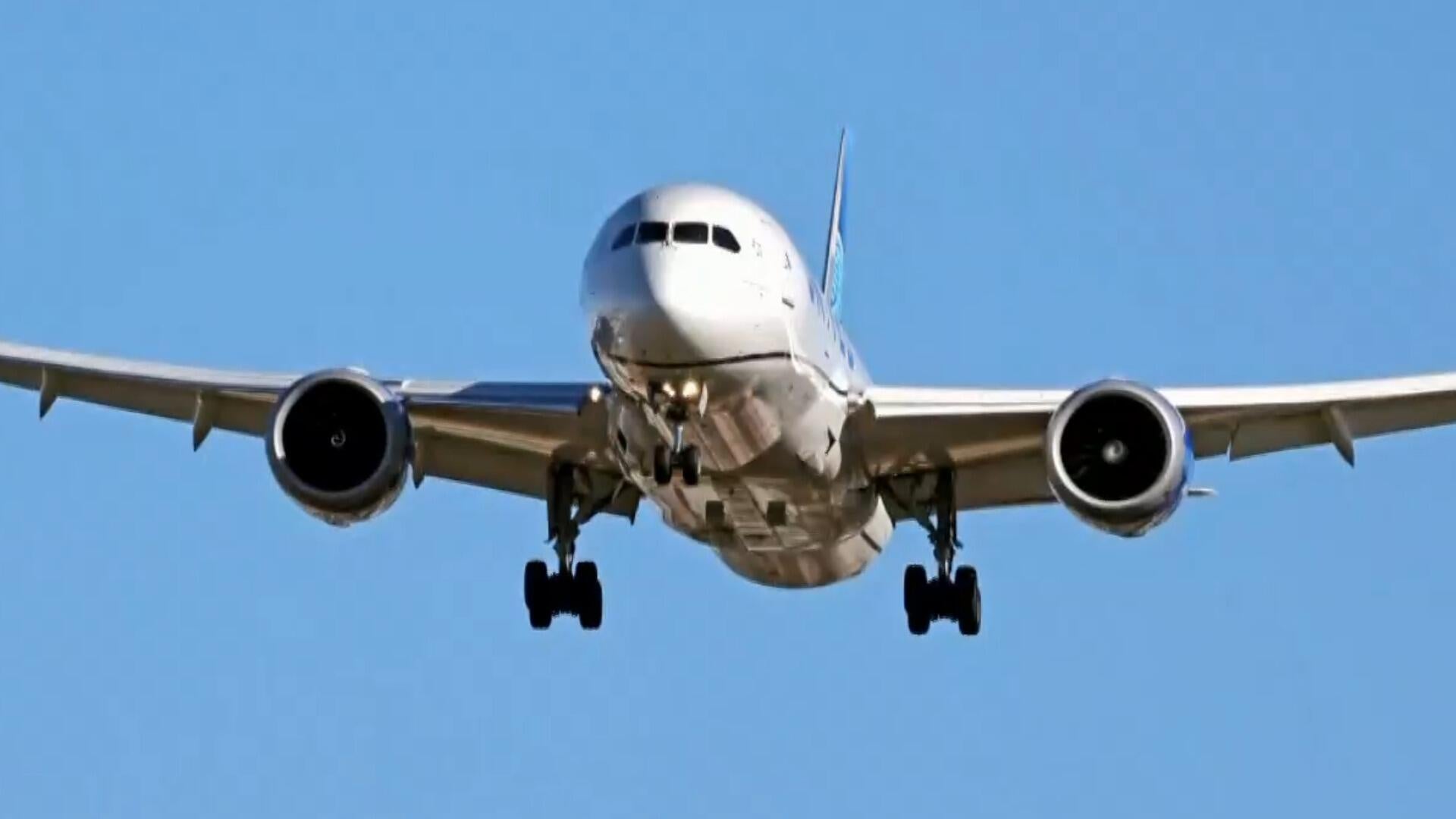
United Airlines’ long‑haul flight from Tokyo to Chicago was forced to land in Chicago after a passenger began acting violently, according to CBS News reports. The incident unfolded mid‑flight, with crew members citing the passenger’s aggression as a threat to safety.
Separately, another United flight on a different route encountered a sudden cabin flooding that required an emergency landing in Chicago. The crew reported a rapid influx of water, prompting an immediate response to safeguard passengers and crew.
In both cases, United officials confirmed that all passengers were safe and that the airline’s emergency protocols were activated without incident. The airline has pledged a full review of its safety procedures and will cooperate with the Federal Aviation Administration (FAA) in investigations.
In-Depth Analysis & Key Details
The Tokyo‑to‑Chicago incident reflects a broader trend of passenger misconduct on international routes, a concern that has prompted airlines to revisit in‑flight security measures since the 2017 incident involving a disruptive passenger on a United flight to Denver. The FAA’s recent guidance on crew response training aims to equip pilots and cabin crew with advanced de‑escalation techniques.
The cabin flooding event raises questions about aircraft maintenance and the integrity of water‑sealing systems, especially on older Boeing 777 models that United operates on its long‑haul fleet. Industry analysts note that such incidents, while rare, can erode public confidence and impact airline stock valuations.
Aviation safety advocates emphasize that comprehensive checks of hydraulic and environmental control systems are essential. They also point out that the FAA’s oversight framework relies heavily on airlines’ self‑reporting, which can delay the identification of systemic issues.
"When a cabin floods or a passenger threatens safety, the margin for error shrinks dramatically—every second counts, and the stakes are human lives."
Why This Matters & What Lies Ahead
For everyday travelers, these events serve as stark reminders that flight safety hinges on both rigorous maintenance and vigilant crew response. The incidents may influence airline ticket pricing, insurance premiums, and regulatory scrutiny, potentially reshaping industry standards.
In the coming weeks, the FAA is scheduled to hold a public hearing on enhanced in‑flight safety protocols, and United Airlines is expected to submit a detailed safety audit to the agency. Industry stakeholders will also watch for any changes in the FAA’s inspection regimes that could affect airline operations nationwide.
Source: Reported by CBS News · Analyzed & Synthesized by DNB Newsroom