Delegates from more than 70 countries gathered in Geneva this week to negotiate the first-ever international framework governing fully autonomous weapons, often dubbed “killer robots.” The conference, convened under the auspices of the United Nations’ Convention on Certain Conventional Weapons, aimed to produce legally binding constraints that would prevent machines from selecting and engaging targets without meaningful human oversight.
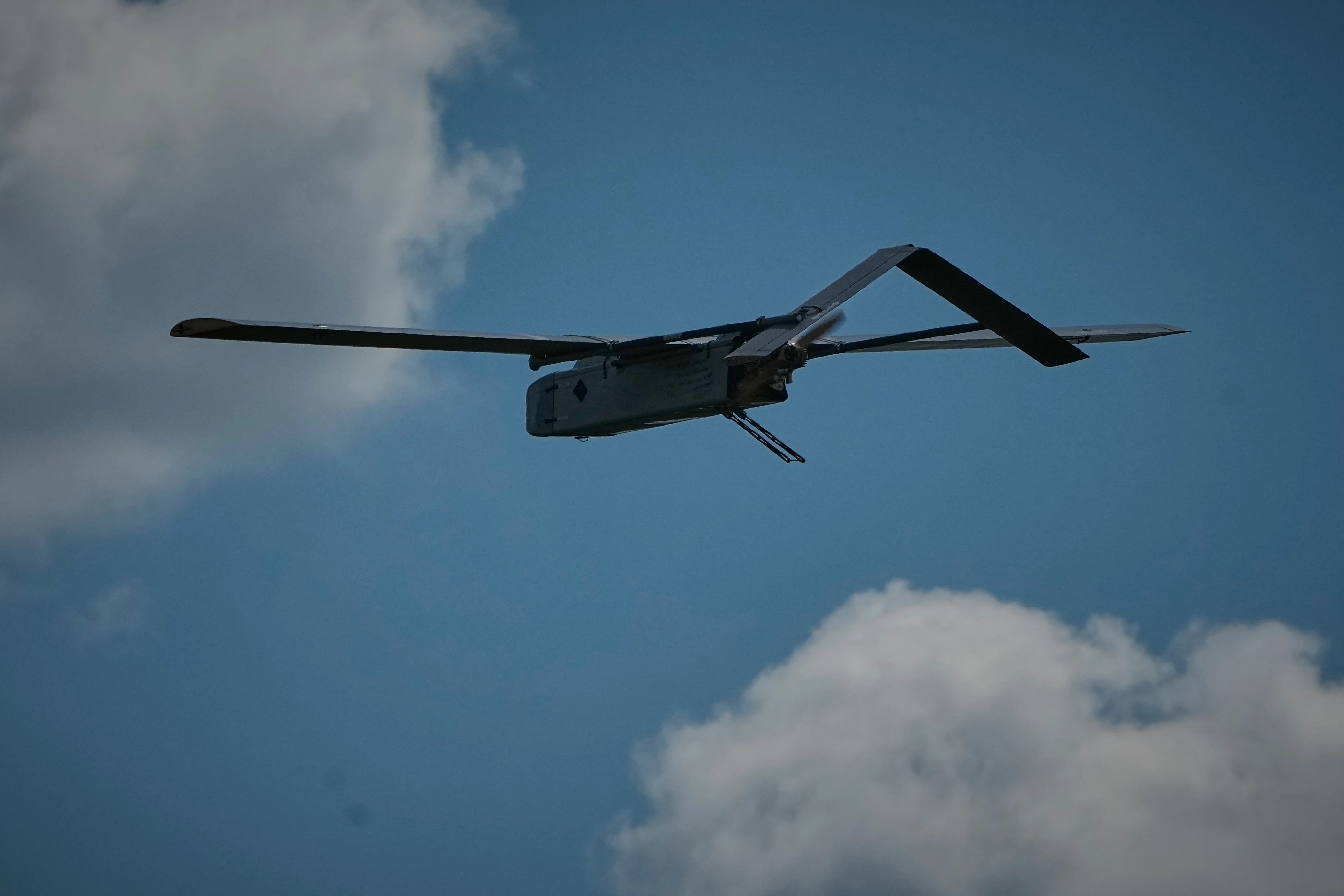
The talks, which spanned four days, unfolded against a backdrop of rapid advancements in artificial‑intelligence‑driven combat technologies, from unmanned aerial drones capable of independent target recognition to ground platforms that can execute lethal actions based on algorithmic decisions. Negotiators shuttled between the Palais des Nations and breakout rooms, but deep divisions emerged over the definition of “autonomous” and the extent of permissible human control.
In a closing statement, the UN Special Representative for Disarmament emphasized that while “the dialogue remains essential,” the parties failed to reach consensus on a binding instrument. Humanitarian NGOs issued a joint press release condemning the outcome, warning that the gap between technological capability and legal restraint is widening at an alarming rate.
In-Depth Analysis & Key Details
The debate over autonomous weapons is rooted in Cold‑War‑era efforts to codify humanitarian law for new weapon classes, yet the current AI surge represents a qualitative shift. Earlier protocols, such as the 1980 CCW, addressed landmines and incendiary weapons, but they lacked mechanisms to tackle software‑driven lethality that can evolve post‑deployment. This historical lag has emboldened states to integrate AI into defense budgets without clear accountability.
Proponents of a binding treaty argue that a universal ban or strict limitation would preserve the principle of distinction, a cornerstone of international humanitarian law. Opponents, chiefly the United States, Russia, and China, contend that rigid rules would stifle legitimate research and undermine deterrence, asserting that existing national export controls and the CCW’s Article 36 reviews suffice. Economically, the defense sector stands to gain billions from AI integration, prompting industry lobbyists to press for flexible language that accommodates rapid innovation.
Regulatory filings indicate that several NATO members are already allocating funds to develop “human‑in‑the‑loop” safeguards, while non‑aligned nations explore fully autonomous platforms. The split reflects a broader geopolitical contest: allies of the West seek to embed ethical constraints, whereas rival powers prioritize strategic parity. This divergence fuels a nascent arms race that could destabilize regional security architectures, especially in contested zones like the South China Sea and Eastern Europe.
"Without enforceable limits, the race to field lethal AI will outpace any diplomatic effort, leaving civilians and combatants alike vulnerable to unchecked machine decision‑making."
Why This Matters & What Lies Ahead
For ordinary citizens, the absence of a binding treaty means that future battlefields may increasingly be populated by weapons that can decide to kill without direct human input, raising profound ethical and safety concerns. The diffusion of such systems into proxy conflicts could amplify civilian casualties, complicate accountability, and strain humanitarian response mechanisms.
The next critical juncture arrives at the UN General Assembly’s special session on emerging technologies slated for early 2027, where member states will revisit the CCW agenda. Parallel to this, several national legislatures, including the European Parliament, are drafting bills to mandate human oversight in any weapon system employing AI. Monitoring these developments will be essential for stakeholders seeking to influence the shape of international norms before autonomous weapons become entrenched in military doctrine.
Source: Reported by NPR · Analyzed & Synthesized by DNB Newsroom