Mexican security agencies announced early Tuesday that they had apprehended Fausto Isidro Meza‑Flores, the individual the FBI identifies as the head of a cartel responsible for large‑scale drug importation into the United States. The operation, carried out in coordination with U.S. law‑enforcement partners, unfolded in a rural precinct where Meza‑Flores was believed to be coordinating shipments.
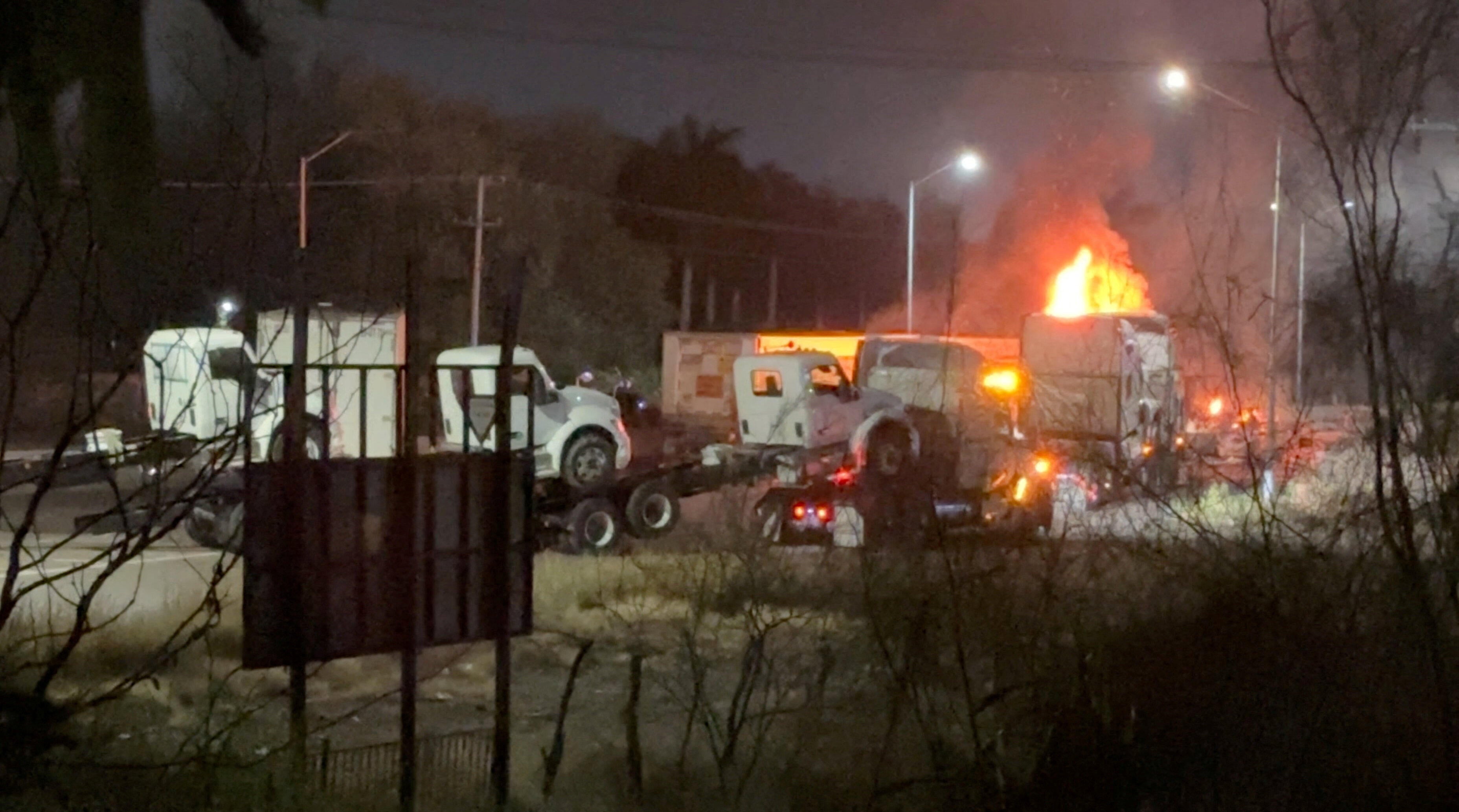
Within hours of the arrest, reports emerged of armed confrontations erupting in several nearby towns, with gunfire echoing through streets and temporary road closures imposed by local police. Residents described a surge of uncertainty as rival factions vied for control of trafficking corridors previously overseen by the captured leader.
Mexico's interior ministry issued a statement condemning the violence, urging citizens to remain vigilant and cooperate with law‑enforcement. The U.S. Embassy in Mexico City released a brief comment, emphasizing ongoing collaboration with Mexican authorities and reaffirming its commitment to dismantling transnational drug networks.
In-Depth Analysis & Key Details
The seizure of Meza‑Flores occurs against a backdrop of decades‑long cartel fragmentation, where power vacuums often ignite turf wars that spill into civilian spaces. Historically, the Mexican government has oscillated between aggressive crackdowns and negotiated truces, a pattern that fuels periodic spikes in violence whenever a high‑profile figure is removed.
Regulatory frameworks on both sides of the border have tightened in recent years, with the U.S. expanding the Foreign Narcotics Kingpin Designation Act and Mexico strengthening its Special Prosecutor's Office for organized crime. Yet the rapid escalation following this arrest underscores the limits of legal tools when on‑the‑ground power dynamics shift abruptly.
Industry observers note that the disruption of a major distribution node can temporarily depress the flow of illicit substances, but it also creates opportunities for splinter groups to diversify routes, potentially increasing the volatility of drug prices and prompting new smuggling methods.
"The removal of a cartel's linchpin can spark immediate chaos, revealing how fragile the balance of illicit power truly is."
Why This Matters & What Lies Ahead
For everyday Mexicans, the sudden flare‑ups translate into heightened insecurity, curfews, and economic disruption as local commerce stalls under the threat of gunfire. Cross‑border supply chains feel the ripple effect, with wholesalers reporting short‑term shortages that can alter street‑level drug markets in the United States.
Stakeholders will be watching upcoming congressional hearings in Washington and a scheduled briefing by Mexico's security council next month, both of which are expected to address resource allocation for joint operations and potential revisions to extradition protocols. The outcomes could reshape enforcement strategies and influence future diplomatic negotiations on narcotics control.
Source: Reported by CBS News · Analyzed & Synthesized by DNB Newsroom