On Monday morning, Ukrainian President Volodymyr Zelenskyy confirmed that Kyiv’s military had successfully targeted and caused the sinking of the Russian warship Merkury, which was docked at the Libyan port of Benghazi. The announcement came during a televised briefing in Kyiv, where the president linked the operation to Ukraine’s broader strategy of disrupting Russian assets abroad.
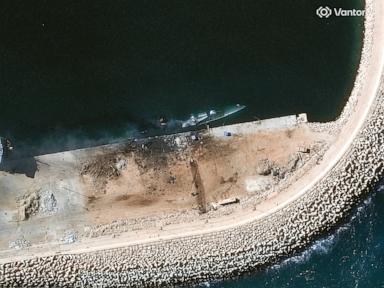
According to statements released by Libyan port authorities, the Merkury was stationed in Benghazi’s harbor undergoing routine maintenance when a series of unmanned naval drones approached the vessel and detonated explosive charges, breaching the hull and sending the ship to the seabed. Satellite imagery captured a plume of smoke rising from the harbor shortly after the reported strike, corroborating the Ukrainian claim.
Russian officials have not yet issued a formal response, but a spokesperson for the Russian Ministry of Defense indicated that an investigation was underway. Meanwhile, Libyan authorities expressed concern over the breach of their territorial waters, urging both sides to respect international maritime law.
In-Depth Analysis & Key Details
The use of maritime drones to strike a warship far from the Ukrainian front line reflects a growing trend that began with covert operations in the Black Sea and has since expanded into the wider Mediterranean. Historically, the Red Sea and North African coasts have served as logistical corridors for Russian naval deployments supporting operations in Syria and beyond, making Benghazi a strategic waypoint.
International law experts note that the incident blurs the line between conventional warfare and asymmetric tactics, raising questions about the applicability of the United Nations Convention on the Law of the Sea to unmanned combat systems. Economic analysts warn that heightened naval confrontations could disrupt the flow of oil and container traffic through the Suez Canal, potentially inflating freight rates and prompting insurers to raise premiums for vessels transiting the region.
Defense analysts observe that Ukraine’s ability to project force via remotely operated platforms signals a maturation of its indigenous drone program, which has previously focused on land‑based systems. The success in Benghazi may encourage Kyiv to pursue further maritime missions, while Russia is likely to bolster its harbor defenses and seek diplomatic channels to pressure Libya for tighter security guarantees.
"The sinking of the Merkury demonstrates that unmanned naval weapons can reshape strategic calculations far beyond a battlefield’s front line."
Why This Matters & What Lies Ahead
For global consumers, the episode underscores the vulnerability of commercial shipping routes that rely on the stability of the Mediterranean corridor. A disruption in Benghazi could ripple through European energy markets and increase the cost of goods that travel by sea, prompting governments to reassess maritime security allocations and emergency response protocols.
In the coming weeks, NATO is expected to convene a maritime security working group to evaluate the threat posed by autonomous weapons at sea, while the United Nations International Maritime Organization plans a session on regulating unmanned combat vessels. Observers will also watch for any retaliatory measures announced by Moscow, which could include diplomatic protests or escalated naval patrols in the Eastern Mediterranean.
Source: Reported by ABC News · Analyzed & Synthesized by DNB Newsroom