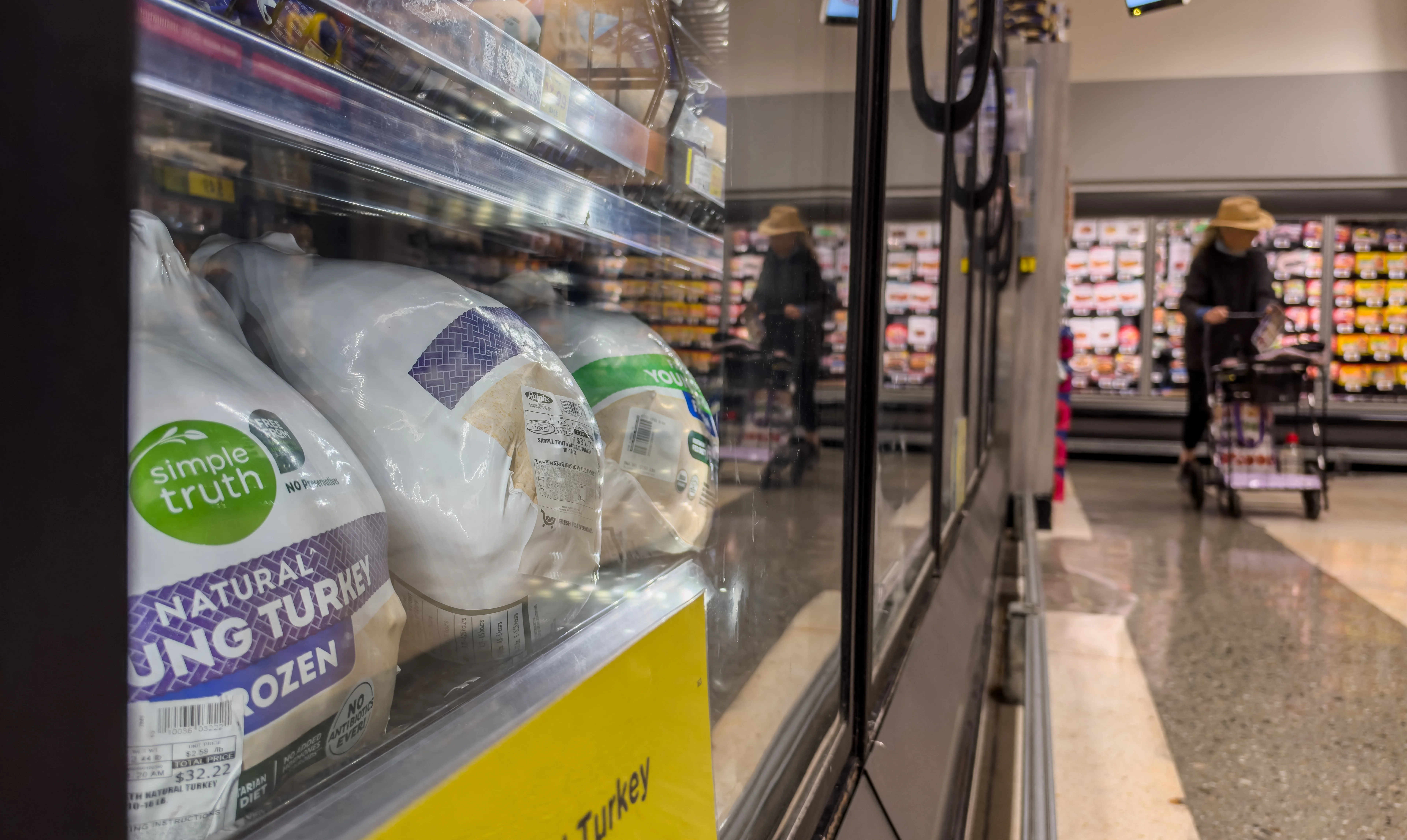
In a recent NPR interview, food‑price analysts highlighted that while grocery costs have surged across the board, the impact on the average Thanksgiving spread remains uncertain. The conversation, aired on Thursday, underscored how rising prices are influencing family decision‑making.
Across the United States, households in states like Ohio, Texas, and California are reporting higher expenditures on staples such as turkey, potatoes, and desserts. Retailers in the Midwest, where turkey shipments peak, are noting a 3% uptick in sales volume but a 5% rise in per‑unit price.
The USDA’s Food Price Index, released Friday, indicated that the price of poultry has climbed 4% year‑over‑year, while consumer sentiment surveys suggest a growing reluctance to host large gatherings. Industry analysts note that this shift could affect supply chain dynamics and retail inventory planning.
In-Depth Analysis & Key Details
Historically, Thanksgiving has been a bellwether for seasonal consumer spending, with spikes in meat, produce, and confectionery. The current price surge traces back to a combination of supply chain disruptions, increased fuel costs, and a post‑pandemic rebound in demand.
Regulators are monitoring the situation, as the Federal Trade Commission has issued guidance on price transparency for food retailers. Meanwhile, advocacy groups argue that the rising cost of a holiday meal could exacerbate food insecurity for low‑income households.
Economists point out that while the inflationary pressure remains moderate, the cumulative effect on household budgets could lead to a measurable decline in discretionary spending during the holiday season.
"The rising cost of a Thanksgiving meal is forcing families to rethink tradition, trimming guest lists in a move that could reshape holiday spending patterns."
Why This Matters & What Lies Ahead
For everyday consumers, the shift means re‑evaluating budgets, with many opting for more modest menus or alternative holiday celebrations. The ripple effect extends to grocery chains, which may adjust pricing strategies and promotional offers to maintain foot traffic.
Looking ahead, the U.S. Treasury will release its quarterly inflation report next month, and the USDA will hold a policy briefing on food supply resilience in early December. Analysts will also watch for congressional hearings on food assistance programs that could be influenced by the current price dynamics.
Source: Reported by NPR · Analyzed & Synthesized by DNB Newsroom