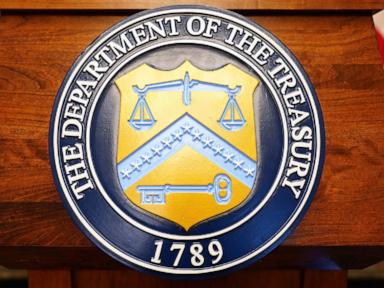
Washington—The Treasury Department’s Financial Crimes Enforcement Network disclosed on Monday that it is conducting a formal inquiry into a cyber intrusion that appears to have accessed internal systems storing sensitive financial‑crime intelligence. The agency, which oversees the nation’s AML framework and processes millions of suspicious activity reports each year, said the incident was detected during routine network monitoring.
Investigators have isolated the breach to a subset of servers located at FinCEN’s headquarters in Washington, D.C., and are working with the Cybersecurity and Infrastructure Security Agency (CISA) to contain any further exposure. While the exact scope of compromised information remains under assessment, officials emphasized that no public data has been released and that the agency is cooperating with law‑enforcement partners to identify the perpetrators.
FinCEN Director Sarah Bloom, speaking at a press briefing, stressed that the department treats the matter with “the utmost seriousness” and that immediate steps are being taken to reinforce cybersecurity protocols. Industry watchdogs and banking associations have called for a transparent review, noting that any erosion of confidence in the agency’s data could hamper ongoing AML investigations.
In-Depth Analysis & Key Details
The current probe revives longstanding concerns about the vulnerability of government‑run financial‑crime databases, which have historically been prime targets for state‑sponsored hackers and organized crime groups seeking to conceal illicit flows. Past incidents, such as the 2020 breach of a separate Treasury office, highlighted gaps in legacy IT infrastructure that have since been earmarked for modernization under the Treasury’s 2022 cybersecurity roadmap.
Regulators are now weighing whether existing cyber‑risk mandates for financial‑crime agencies are sufficient, as the Financial Stability Oversight Council has signaled a possible review of inter‑agency data‑sharing agreements. Meanwhile, market analysts observe that heightened scrutiny could prompt banks to accelerate investments in advanced AML monitoring tools, potentially reshaping the competitive landscape for fintech firms offering compliance solutions.
Domain experts note that the incident underscores the tension between the need for extensive data collection to combat money laundering and the imperative to safeguard that data against sophisticated cyber threats. The balance of these priorities will likely shape future legislative proposals aimed at bolstering the cyber resilience of critical financial‑security infrastructure.
"A breach of the nation’s financial‑crime watchdog not only jeopardizes ongoing investigations but also threatens to erode the trust that underpins the entire anti‑money‑laundering regime."
Why This Matters & What Lies Ahead
For everyday consumers, the integrity of FinCEN’s data is a linchpin in preventing illicit funds from surfacing in legitimate financial channels, which can affect everything from mortgage approvals to the pricing of consumer loans. A compromised system could delay the identification of suspicious transactions, allowing fraudulent schemes to persist longer and potentially increasing the cost of compliance for banks, which may be passed on to customers.
Legislators are expected to convene a bipartisan hearing on the Treasury’s cyber‑security posture in the coming weeks, with the House Financial Services Committee slated to question agency leaders about mitigation strategies and budget allocations for system upgrades. Observers will also watch for any forthcoming amendments to the Anti‑Money Laundering Act that could impose stricter reporting requirements on federal agencies after the investigation concludes.
Source: Reported by ABC News · Analyzed & Synthesized by DNB Newsroom