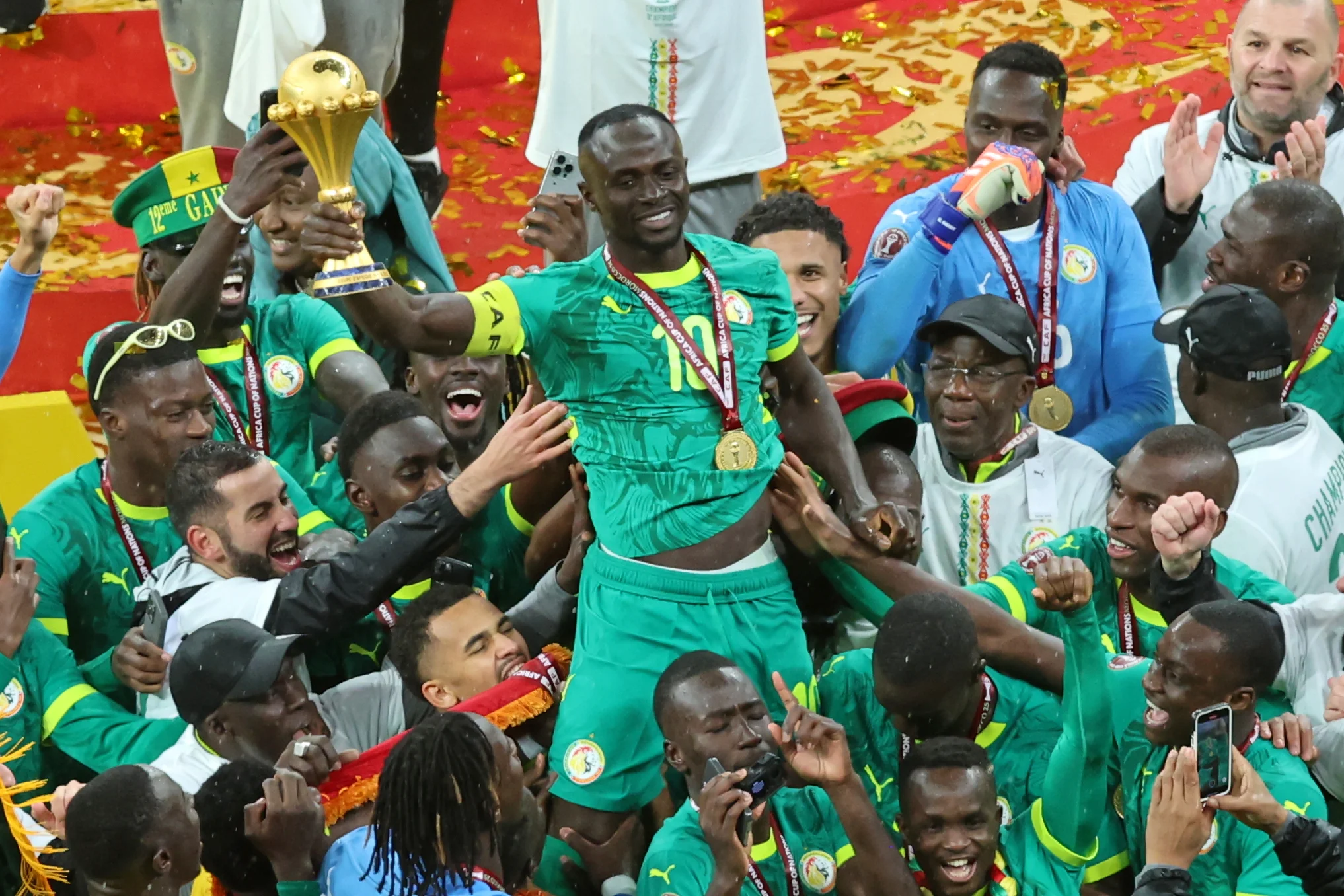
Senegal’s national team, having secured a 2‑1 victory over Morocco in the Africa Cup final held in Rabat in January, saw the championship trophy withdrawn in March after its players staged a walk‑off during second‑half stoppage time to protest a refereeing decision.
The Confederation of African Football’s (CAF) disciplinary panel subsequently ruled that the abandonment constituted a forfeiture, stripping Senegal of the title and awarding it to Morocco. The move sparked outrage among Senegalese officials and fans, prompting an appeal to the Court of Arbitration for Sport.
On Thursday, the CAS panel announced that the CAF sanction violated procedural standards, ordering the reinstatement of the title to Senegal. CAF President Patrice Motsepe expressed disappointment with the ruling but pledged to review its disciplinary framework, while Senegal’s Football Federation hailed the verdict as a vindication of the players’ protest.
In-Depth Analysis & Key Details
The controversy traces back to longstanding tensions over officiating standards and governance within African football. Historically, CAF has faced criticism for inconsistent disciplinary actions, prompting calls for reforms aligned with global sport arbitration mechanisms. The walk‑off in Rabat echoed earlier protests in continental tournaments, where teams have challenged perceived bias, highlighting a systemic need for transparent referee assessment protocols.
Regulatory bodies, including FIFA and CAF, have been navigating a delicate balance between upholding the integrity of competition and respecting players’ right to express dissent. The CAS decision reinforces the principle that sanctions must be proportionate and procedurally sound, setting a benchmark for future cases involving match abandonments. Industry analysts note that the ruling may compel CAF to adopt clearer guidelines, potentially reducing the risk of litigation and preserving commercial partnerships tied to tournament broadcasting rights.
Experts in sports law observe that the case illustrates the growing influence of international arbitration in African sport, where domestic adjudication mechanisms have often been viewed as opaque. By deferring to CAS, CAF acknowledges the necessity of aligning its disciplinary processes with globally recognized standards, a shift that could enhance the credibility of African competitions on the world stage.
"The tribunal’s verdict sends a clear signal that procedural fairness cannot be sacrificed in the name of swift punitive action, reshaping how African football governs on‑field dissent."
Why This Matters & What Lies Ahead
For everyday fans and the broader public, the reinstatement of Senegal’s title restores national pride and validates the players’ stand against perceived injustice, reinforcing the notion that collective protest can yield tangible outcomes within sport’s legal frameworks. Moreover, the decision may influence sponsorship negotiations, as corporate partners closely monitor governance stability when allocating marketing spend to continental tournaments.
Looking ahead, the ruling opens the door to a series of institutional reviews within CAF, including potential amendments to its disciplinary code and the establishment of an independent oversight committee. Stakeholders will be watching upcoming CAF executive meetings slated for early 2027, where reforms are expected to be debated, as well as any further appeals that could arise from other nations contesting past sanctions. The evolution of these policies will have lasting implications for the governance of African football and its integration into the global sports ecosystem.
Source: Reported by NPR · Analyzed & Synthesized by DNB Newsroom