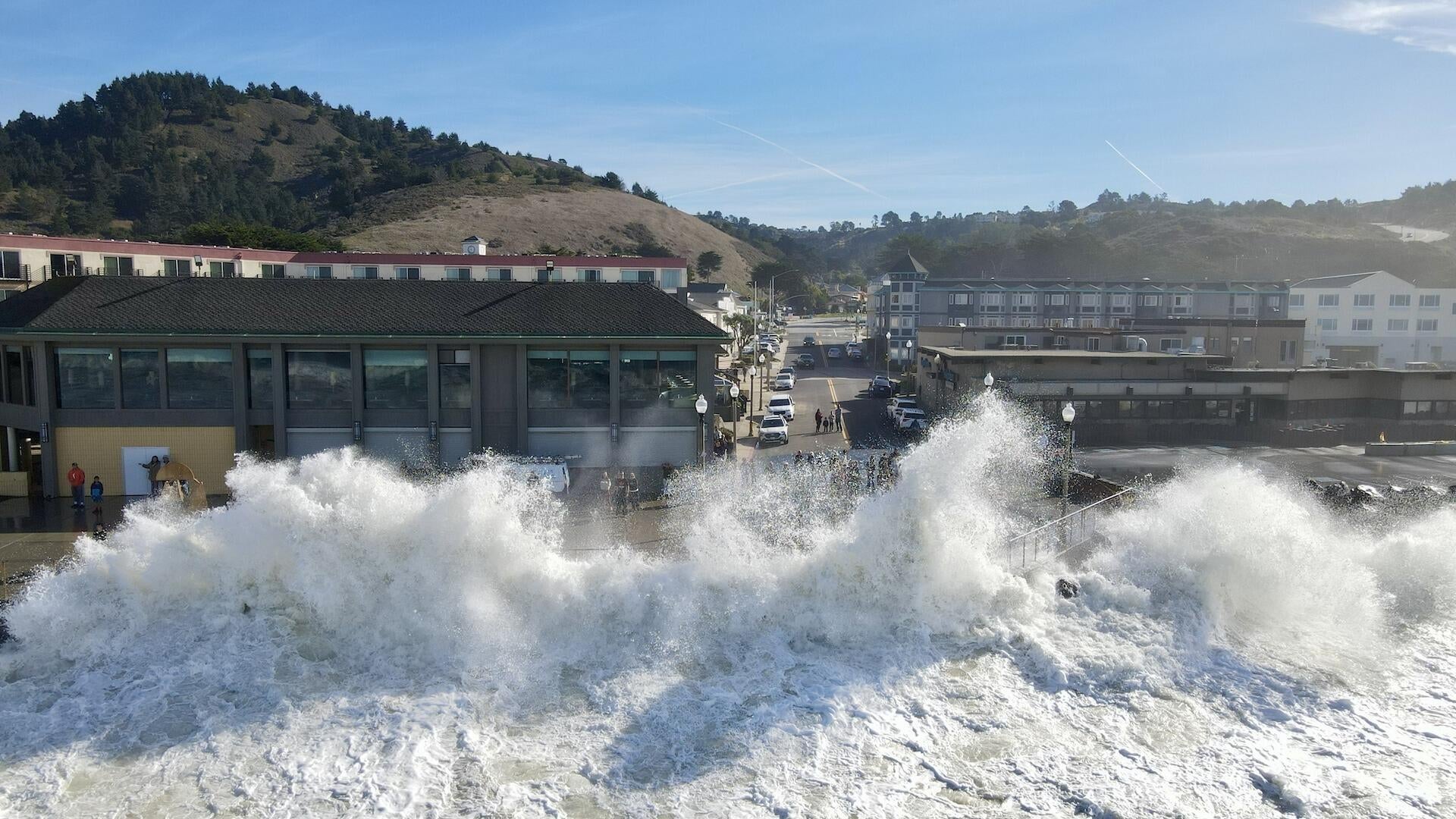
A fast‑moving storm system swept across large swaths of the United States on Thanksgiving, delivering heavy precipitation and strong winds that disrupted daily life as families gathered for their holiday meals. The weather event struck from the central Plains through the Mid‑Atlantic, leaving a trail of downed power lines, flooded roadways, and scattered debris.
By early evening, utility operators confirmed that thousands of households were without electricity, with the most severe outages reported in parts of Ohio, Kentucky, and Virginia. Emergency responders worked through the night to clear blocked arteries and restore power, while local officials urged residents to avoid travel until conditions improved.
State officials issued brief statements emphasizing public safety, urging citizens to stay indoors, report downed lines, and follow updates from power companies. Industry spokespeople highlighted the rapid mobilization of repair crews and the use of backup generators at critical facilities such as hospitals and shelters.
In-Depth Analysis & Key Details
The current storm is part of a recurring pattern of late‑season cyclones that intensify over the Gulf of Mexico before tracking northward, a dynamic that has been linked to shifting jet‑stream positions in recent years. Historical data show that Thanksgiving‑time storms have become more frequent, raising concerns among climatologists about the interplay between warmer sea surface temperatures and atmospheric instability.
Regulatory bodies have long debated the adequacy of grid resilience standards, especially in regions where aging infrastructure meets increasingly volatile weather. Industry analysts note that the recent outages underscore gaps in vegetation management and the need for accelerated investment in undergrounding power lines, a costly but potentially storm‑proof solution.
Energy experts point out that the storm’s timing—coinciding with peak residential electricity demand for cooking and heating—exacerbated the strain on distribution networks. The event may prompt utilities to revisit demand‑response programs and explore more robust backup power solutions for critical services.
""When a storm hits during a national holiday, the ripple effects touch every facet of daily life—from dinner tables to emergency response—making resilience a non‑negotiable priority," an industry analyst observed."
Why This Matters & What Lies Ahead
For everyday Americans, the loss of power during a holiday meal not only disrupts tradition but also poses safety risks, especially for those reliant on medical equipment. The outages highlighted vulnerabilities in the nation's power grid, prompting consumers to reconsider emergency preparedness measures such as portable generators and battery backups.
Legislators are expected to convene hearings in the coming weeks to examine the adequacy of current infrastructure funding and to explore policy incentives for modernizing the grid. Watch for upcoming testimony from utility regulators and climate scientists, which could shape future federal investment in storm‑hardening projects and influence the timeline for nationwide grid upgrades.
Source: Reported by CBS News · Analyzed & Synthesized by DNB Newsroom