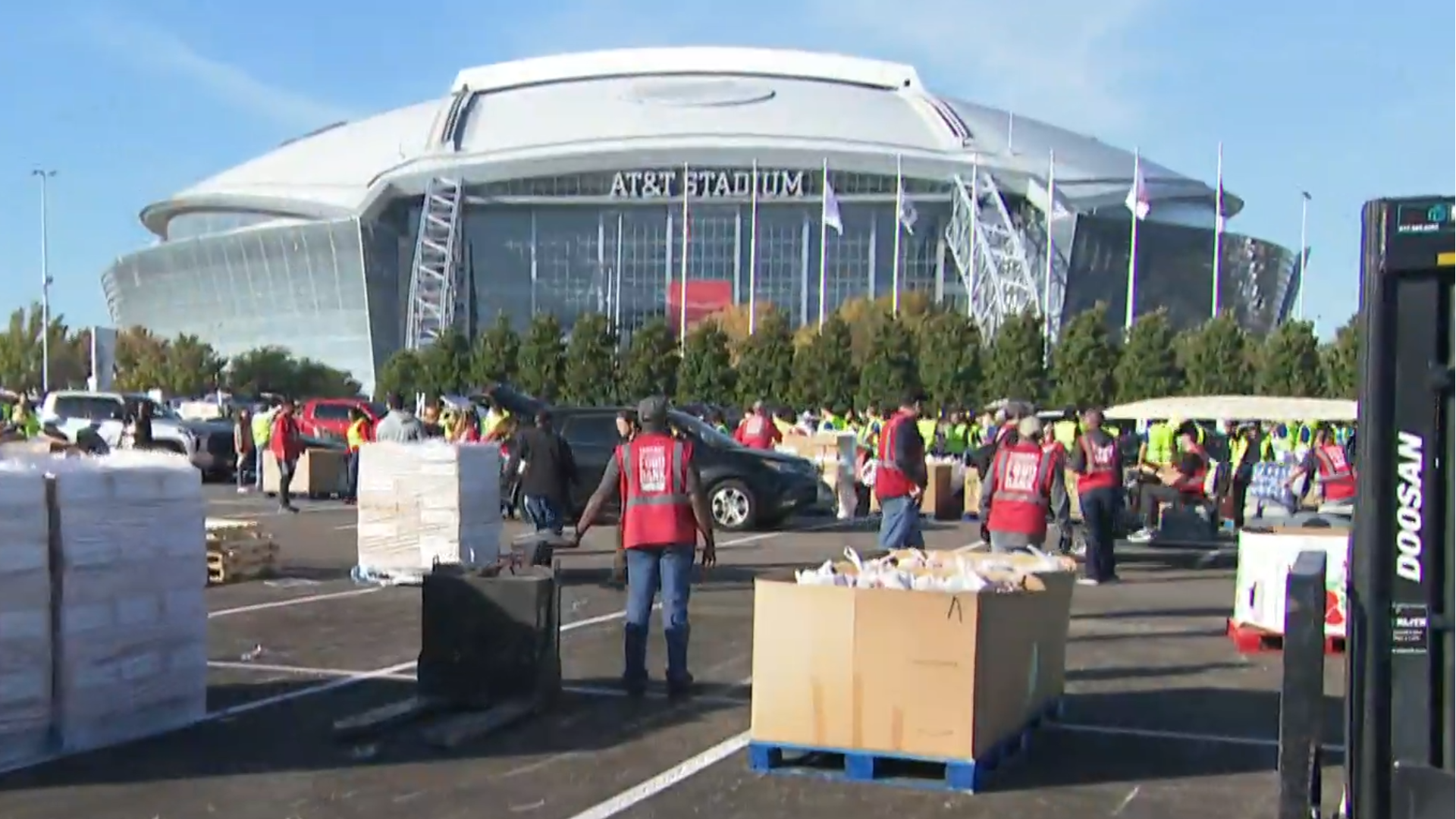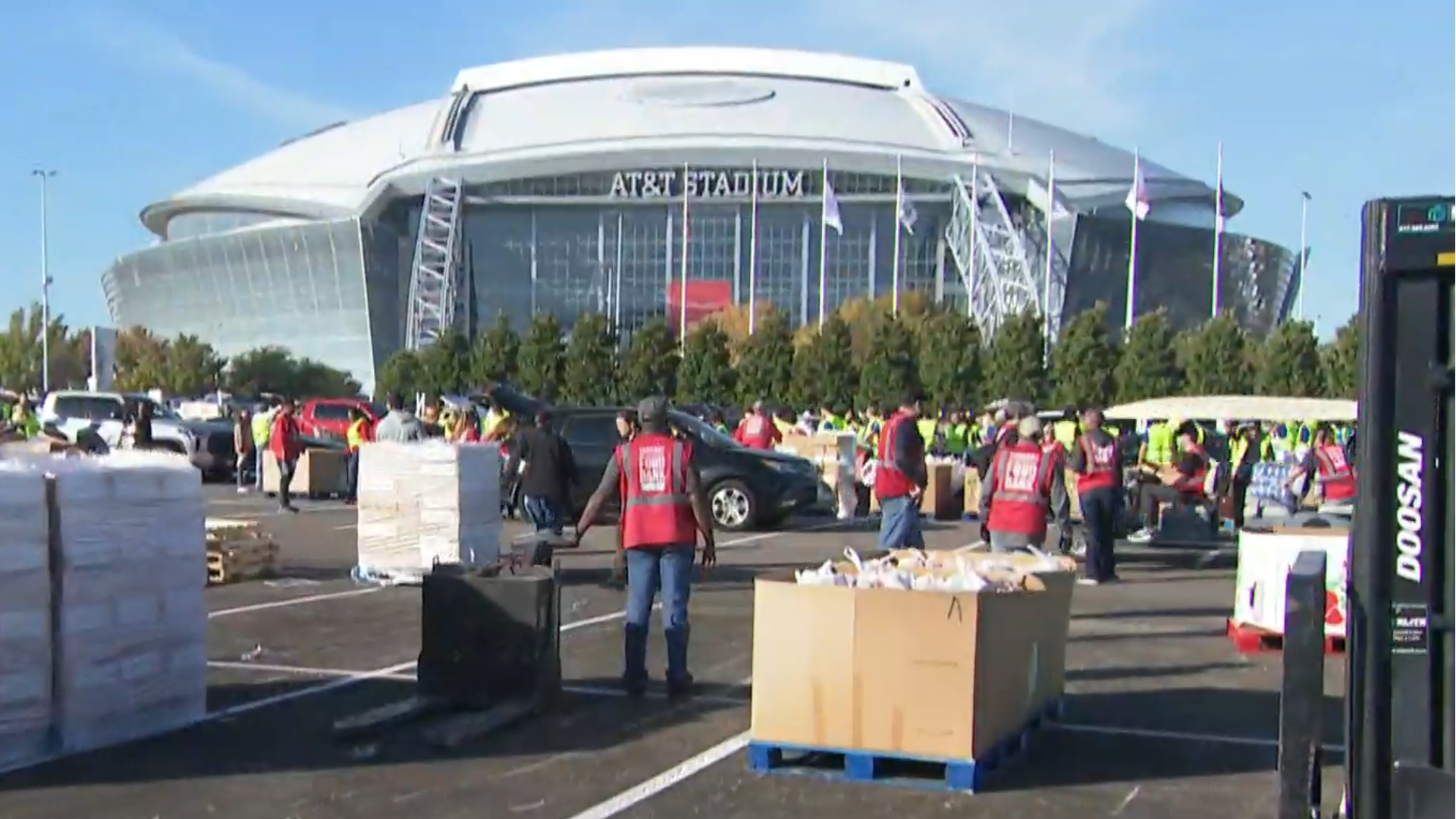
Across the United States, food‑assistance centers are observing a sharp rise in families requesting aid as Thanksgiving draws near, a pattern volunteers describe as markedly higher than the usual seasonal surge. The trend emerged in mid‑October, with many households citing inflated grocery bills, rent pressures, and utility costs as primary drivers for turning to pantries.
The heightened demand is most pronounced in urban corridors such as Chicago, Detroit, and Atlanta, where the Greater Chicago Food Depository logged a 22% jump in new household registrations compared with the same timeframe last year, and the Detroit Food Bank reported a similar 19% increase. Smaller community pantries in rural Appalachia and the Gulf Coast have also reported lines extending beyond their capacity, forcing volunteers to ration limited supplies.
Feeding America, the national alliance that coordinates dozens of regional food banks, warned that charitable contributions have stagnated despite the surge in need, creating a shortfall estimated at over 1.2 million meals for the Thanksgiving week. Spokespersons for the organization said they are mobilizing additional logistics, seeking corporate partnerships, and urging state leaders to allocate emergency funding to bolster the safety net before the holiday rush peaks.
In-Depth Analysis & Key Details
The current strain on food banks echoes a decades‑long evolution of the charitable food system, which expanded dramatically in the 1980s as federal safety‑net programs fell short during economic downturns. Since then, food banks have become a de‑facto extension of public welfare, absorbing shocks from macro‑economic pressures such as the 2008 financial crisis and, more recently, pandemic‑induced supply chain disruptions.
Rising consumer price indexes for food items—up 7.4% year‑over‑year according to the Bureau of Labor Statistics—have outpaced wage growth, eroding disposable income for low‑ and middle‑income households. Policy analysts note that while the federal Supplemental Nutrition Assistance Program (SNAP) has been expanded in recent years, eligibility thresholds and benefit levels have not kept pace with inflation, pushing more families toward charitable outlets.
Industry observers point to a confluence of factors intensifying the current crunch: tighter grocery margins, increased reliance on just‑in‑time inventory, and a surge in online grocery pricing that disproportionately affects cash‑strapped consumers. At the same time, food‑bank networks are grappling with logistical bottlenecks, as transportation costs rise and volunteer labor pools shrink during the holiday season.
"The surge in demand underscores a looming crisis for America’s most vulnerable families as holiday costs outstrip charitable capacity."
Why This Matters & What Lies Ahead
For millions of households, the ability to secure a modest Thanksgiving meal hinges on the resilience of food‑bank networks, making the current shortfall a direct threat to food security and community cohesion. The strain also ripples through local economies, as reduced consumer spending on groceries can depress retail sales and exacerbate inflationary pressures in already vulnerable markets.
Policymakers are watching closely; the Senate Agriculture Committee has slated a hearing for early December to examine the interplay between inflation, SNAP benefits, and charitable food assistance. Several state legislatures are poised to introduce emergency appropriations bills, and major retailers are being courted for surplus food donations. The outcomes of these deliberations will shape the safety net’s capacity to meet not only Thanksgiving demand but also the broader, year‑round challenge of hunger in the United States.
Source: Reported by CBS News · Analyzed & Synthesized by DNB Newsroom