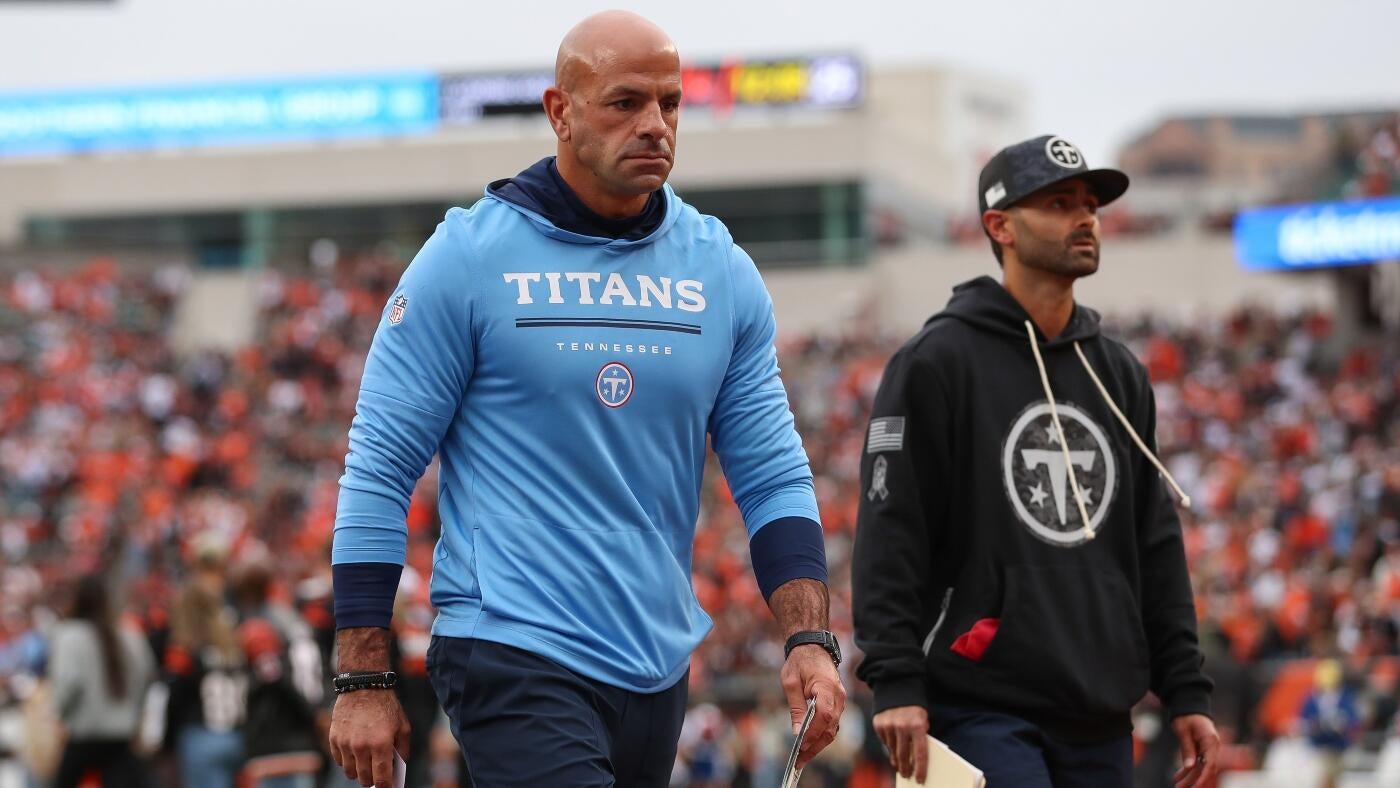
As the NFL regular season progresses past the Week 11 mark, the projected order for the 2027 NFL Draft has taken shape, revealing a distinct cluster of teams vying for the highest honors in the upcoming selection cycle. Tennessee, the Los Angeles Chargers, and the Miami Dolphins have positioned themselves at the forefront of this competition, holding selections within the top nine picks. This early concentration of high-value assets indicates that these franchises are either in the midst of significant rebuilding phases or are strategically sacrificing short-term competitiveness to secure elite talent in the next draft class. The proximity of these three teams in the board suggests that minor fluctuations in their remaining regular-season results could dramatically alter the final pecking order.
In a contrasting strategic move, the New York Jets have demonstrated aggressive asset management by securing multiple high-value picks through blockbuster trades. The franchise now holds three selections within the top 15 of the 2027 draft, a maneuver that underscores a commitment to rapid roster reconstruction. This accumulation of early-round capital allows New York to address multiple positional deficiencies simultaneously, rather than relying on a single high-risk selection. The Jets' approach reflects a broader trend among contending and rebuilding teams alike to maximize flexibility and hedge against the inherent unpredictability of draft performance.
League officials and team executives have closely monitored these shifts in draft capital, recognizing that the 2027 class is expected to feature a deep pool of elite prospects. The current standings and trade activity suggest that the next few weeks will be critical in determining which teams will have the final say on the most coveted players. As the season moves into its second half, the pressure on coaches and front offices to manage rosters in ways that influence future draft positioning will only intensify, with every win and loss carrying implications for the next cycle's selection rights.
In-Depth Analysis & Key Details
The current draft order reflects the structural realities of the NFL's competitive balance mechanisms, where teams with sub-.500 records are rewarded with higher draft picks. Historically, the top of the draft has been dominated by teams in the midst of multi-year rebuilds, and the 2027 projection is no exception. Tennessee, the Chargers, and Miami have all faced challenges in recent seasons, leading to decisions that prioritize long-term asset accumulation over immediate playoff contention. This pattern is consistent with the league's design, which aims to prevent sustained dominance by any single franchise by redistributing talent to those with the most need.
The Jets' acquisition of three top-15 picks represents a significant deviation from the typical one-pick-per-year model, achieved through complex trade negotiations. Industry analysts observe that such moves are often driven by the desire to mitigate risk; by securing multiple high picks, a team can afford to miss on one selection without derailing its entire rebuild. This strategy also allows for the drafting of complementary skills, such as a quarterback, a defensive anchor, and a skill position player, creating a more balanced roster foundation. The financial implications of these trades, including the exchange of future first-rounders and veteran salaries, further underscore the high-stakes nature of modern NFL front-office operations.
From a technical standpoint, the depth of the 2027 draft class will be a critical factor in determining the value of these picks. If the class is deep at premium positions like offensive line and defensive line, teams in the 1-9 range may feel less pressure to select a franchise cornerstone, potentially allowing them to target high-upside, lower-probability prospects. Conversely, if the class is thin at certain positions, the teams with the earliest picks will have a significant advantage in locking in key contributors. The interplay between draft class depth and team need will ultimately dictate the final selections, making the current draft order a dynamic and evolving landscape rather than a static list.
"The 2027 draft board is not merely a list of picks; it is a map of desperation and ambition, where the distance between a top-nine selection and a top-fifteen one can define a franchise's decade."
Why This Matters & What Lies Ahead
For fans and stakeholders, the trajectory of the 2027 draft order has immediate implications for team identity and fan engagement. Franchises in the 1-9 range are signaling a commitment to long-term growth, which may require patience from supporters who are accustomed to immediate competitiveness. The Jets' aggressive accumulation of picks suggests a similar long-term vision, albeit executed through different means. These strategic shifts will influence ticket sales, merchandise revenue, and broadcast viewership, as fans adjust their expectations for their teams' near-term performance.
Looking ahead, the remaining weeks of the regular season will be pivotal in determining the final draft order. Key matchups between teams in the 1-9 range could directly impact their relative positions, with a single loss potentially dropping a team several spots. Additionally, the NFL's trade deadline and subsequent roster moves will continue to reshape the draft landscape. Stakeholders should monitor the performance of key prospects in college football, as their development will directly influence the value of the picks held by Tennessee, the Chargers, Miami, and New York. The 2027 draft is shaping up to be a pivotal moment for several franchises, with the potential to set the stage for future competitive eras.
Source: Reported by CBS Sports · Analyzed & Synthesized by DNB Newsroom


