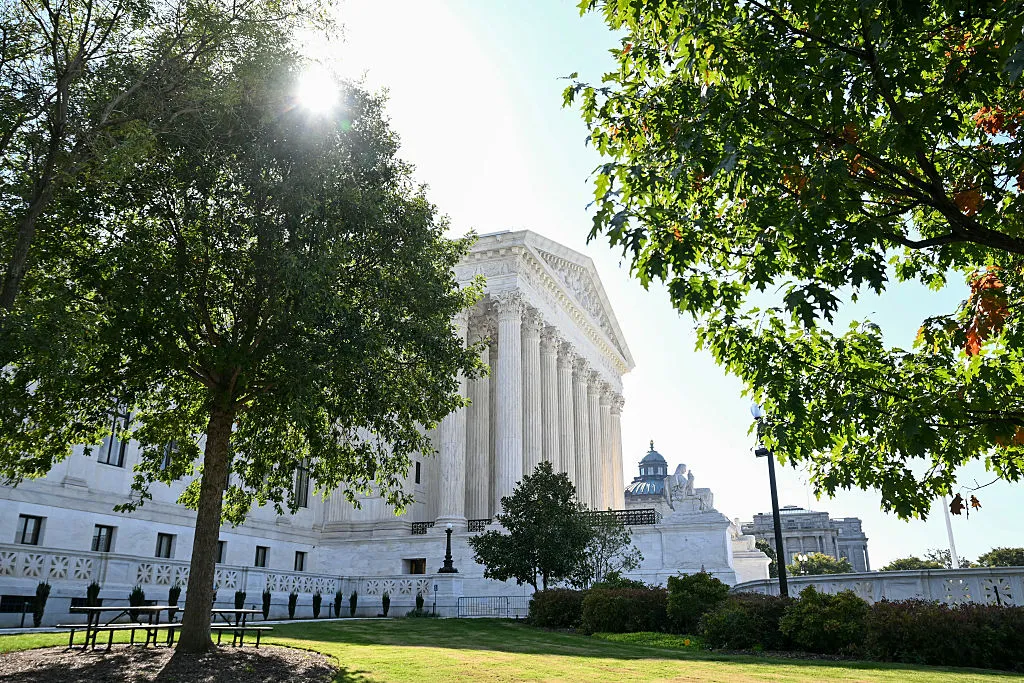
The nation’s highest court is hearing a challenge from the Archdiocese of Denver that seeks to let Catholic pre‑K programs deny enrollment to LGBTQ parents while still receiving public money. The outcome could reshape the balance between religious liberty claims and anti‑discrimination protections in a program that serves millions of children nationwide.
Listen to this article·Estimated 2 minutes · Audio Synthesis
Primary Wire Signal: NPR · US News Desk
KEY TAKEAWAYS
The Archdiocese of Denver argues that Colorado’s universal pre‑K law forces it to violate core Catholic teachings by accepting children of LGBTQ couples, and it is asking the Court to recognize a constitutional exemption.
If the justices side with the archdiocese, any state‑funded program that partners with faith‑based providers could be required to honor religious‑based admission criteria, potentially altering the funding model for early‑education initiatives across 30 states.
Conversely, a ruling that blocks the exemption would reinforce anti‑discrimination statutes, setting a precedent that public dollars cannot be used to support institutions that practice exclusion, influencing future litigation involving faith‑based health and social services.
],"leadStory":"The Supreme Court convened on Monday to hear oral arguments in a case that pits the Archdiocese of Denver against Colorado’s universal pre‑kindergarten statute, which obligates participating schools to accept all children regardless of parental sexual orientation. The dispute centers on whether a Catholic preschool that receives state aid can lawfully refuse enrollment to families that the Church considers contrary to its doctrine.
The legal battle traces back to a 2022 Colorado law that allocated $1.2 billion in state funds to expand pre‑K access, mandating that any private provider receiving those dollars must comply with the state’s nondiscrimination clause. The archdiocese, which runs a network of Catholic early‑learning centers, contends that the requirement forces it to betray its religious convictions, prompting a lawsuit that escalated through the state courts before landing at the nation’s apex court.
During the hearing, Chief Justice John Roberts pressed both sides on the practical implications for families and the integrity of the public education system. Archdiocesan counsel cited the 2021 Supreme Court decision in Fulton v. City of Philadelphia as a benchmark for protecting faith‑based hiring choices, while the state’s attorney argued that early‑education funding is a public service that cannot be weaponized to discriminate. Advocacy groups for LGBTQ rights and religious liberty alike filed amicus briefs, underscoring the case’s national resonance.
The nation’s highest court is hearing a challenge from the Archdiocese of Denver that seeks to let Catholic pre‑K programs deny enrollment to LGBTQ parents while still receiving public money. The outcome could reshape the balance between religious liberty claims and anti‑discrimination protections in a program that serves millions of children nationwide.
Source: Reported by NPR · Analyzed & Synthesized by DNB Newsroom
A wave of Gen Z conservatives is entering the 2024 congressional races, seeking to reshape the Republican agenda as the party confronts demographic decline and internal discord. Their platforms blend traditional fiscal conservatism with climate‑action and digital‑rights priorities, forcing senior leaders to reckon with a potential generational pivot.
As the nation’s precincts seal their ballots, broadcasters and digital platforms will deliver a rolling timetable of results that could tip the balance of power in the House and Senate. Viewers can now anticipate which swing districts will dominate each reporting window, while analysts warn that the speed of data release may shape voter perception and post‑election narratives.
As Election Day approaches, former President Donald J. Trump has launched a whirlwind tour of key red‑state venues, delivering a farewell performance to loyalists. The tour underscores his continued influence within the Republican Party and signals a strategic push to energize voters ahead of the 2026 midterms.
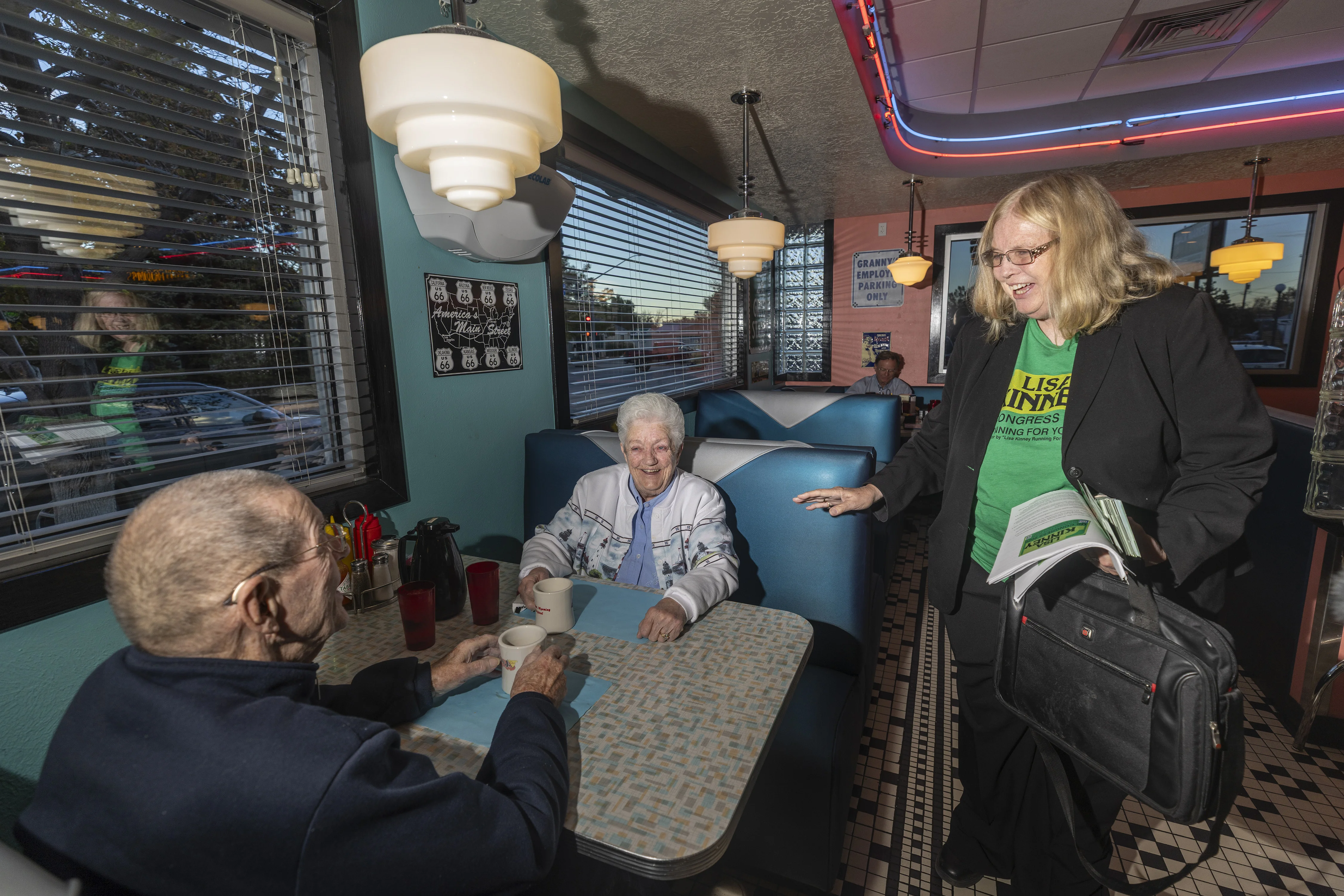
As the 2024 election cycle unfolds, a striking majority of House contests are classified as safely Democratic or safely Republican, leaving few true toss‑ups. Candidates from the opposing party confront structural barriers that make victory appear unattainable, prompting concerns about voter disenfranchisement and democratic health. The trend underscores how redistricting and party resources shape the competitive landscape.