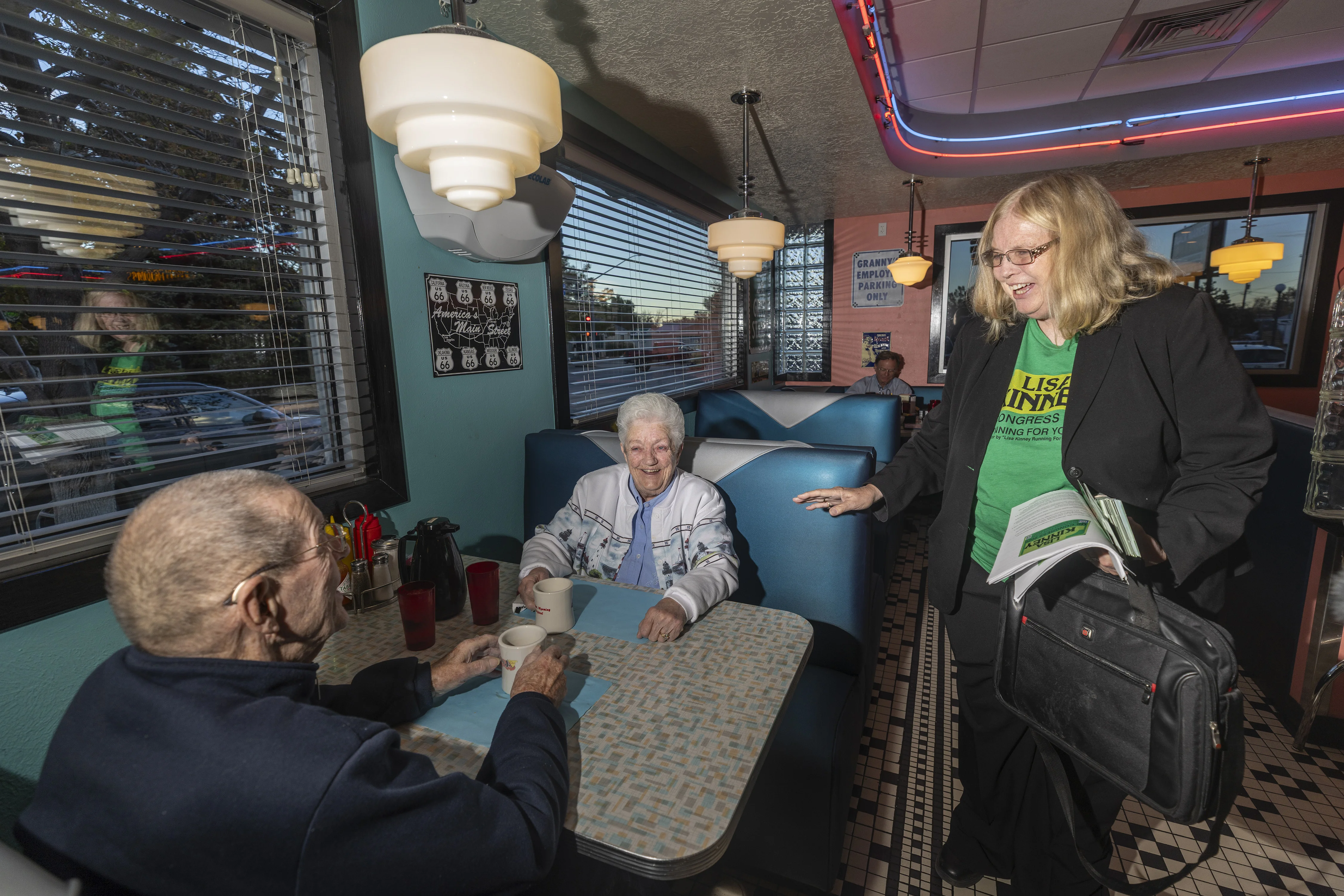
The 2024 congressional map, finalized after the 2020 census, shows an overwhelming preponderance of districts labeled solidly Democratic or solidly Republican, according to the nonpartisan Cook Political Report. In 363 of the 435 races, the incumbent party enjoys a double‑digit advantage, leaving only 72 contests where the opposition stands a realistic chance of flipping the seat. This environment forces candidates from the minority party to confront not only entrenched voter loyalties but also institutional hurdles such as limited media exposure and scarce fundraising channels.
Geographically, the safest seats cluster in the Sun Belt and Midwest, where recent redistricting amplified partisan majorities. The Democratic Congressional Campaign Committee (DCCC) and the National Republican Congressional Committee (NRCC) have both announced that they will concentrate resources on a handful of swing districts, effectively conceding the rest. Party leaders, including DCCC chair Sean Patrick Maloney and NRCC chair Elise Stefanik, warned that the lack of competitive races threatens the legitimacy of the electoral process and could depress voter participation nationwide.
In-Depth Analysis & Key Details
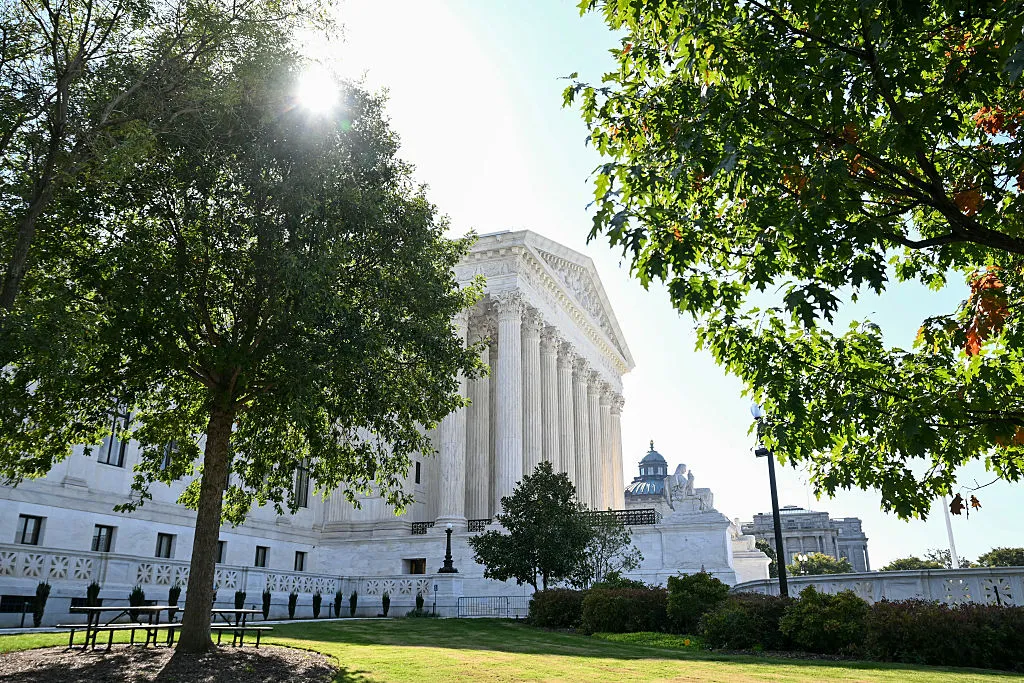
The current imbalance traces its roots to the 2010 and 2020 redistricting cycles, during which state legislatures—often controlled by one party—crafted district lines that cemented partisan advantage, a practice known as gerrymandering. Legal challenges to these maps have produced mixed results, with the Supreme Court increasingly reluctant to intervene in what it deems political questions. Consequently, the 2024 cycle reflects a structural reality where the geometry of districts, rather than voter sentiment, dictates competitiveness.
Compounding the geographic skew are stark fundraising disparities. Data from the Federal Election Commission shows incumbents in safe districts raised an average of $2.4 million in the first quarter of 2024, while challengers from the opposite party in those same districts collected roughly $800,000. This financial gap translates into fewer television ads, limited ground operations, and reduced voter outreach, reinforcing the incumbents' dominance. Experts such as political scientist Dr. Maya Green argue that without systemic reforms—like independent redistricting commissions or public financing—the electoral arena will continue to marginalize dissenting voices.
"When the map decides the winner before voters cast a ballot, democracy becomes a rehearsal rather than a contest."
Why This Matters & What Lies Ahead
For everyday voters, the scarcity of competitive races narrows choices and can erode confidence in the political system, potentially lowering turnout and civic engagement. Policy outcomes—from healthcare funding to climate legislation—are increasingly shaped by a small cohort of entrenched lawmakers, limiting the responsiveness of Congress to shifting public priorities.
Looking ahead, several court cases challenging the constitutionality of current district maps are slated for hearing in 2025, while bipartisan proposals for independent redistricting commissions are poised for debate in upcoming state legislatures. The outcomes of these legal and legislative battles will determine whether the 2026 midterms present a more level playing field or further entrench the status quo, making them critical watchpoints for voters, advocacy groups, and investors alike.
Source: Reported by NPR · Analyzed & Synthesized by DNB Newsroom