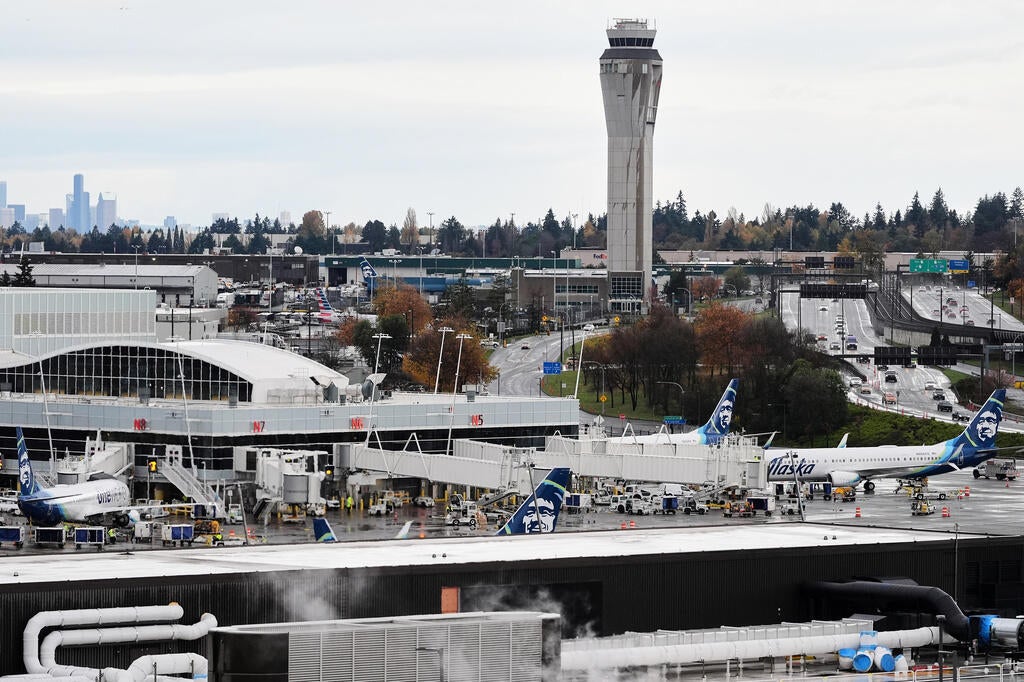
A North Carolina airport became a temporary holding area for dozens of passengers after the Federal Aviation Administration ordered a nationwide ground stop in response to severe weather and staffing shortages. Among the stranded was a 38‑year‑old woman from Fargo, North Dakota, who found herself without a viable way to return home as flights were indefinitely delayed.
Facing a mounting bill for hotel rooms and meals, the traveler decided to purchase a brand‑new Ford Bronco from a local dealership on the morning of the shutdown. She invited two airline employees—one from the carrier’s customer‑service team and another from ground operations—to accompany her, turning the vehicle into a makeshift convoy for the cross‑country trek.
The airline’s spokesperson acknowledged the situation, noting that the company’s emergency assistance guidelines prioritize rebooking on later flights and providing hotel vouchers, but admitted that “ground‑transport resources are limited during a system‑wide halt.” The spokesperson added that the airline is reviewing its contingency protocols after the incident received widespread media attention.
In-Depth Analysis & Key Details
The current ground stop is the latest in a series of operational shutdowns that have plagued the U.S. air‑travel system since the early 2020s, when staffing shortages, weather extremes, and outdated air‑traffic control infrastructure converged to strain capacity. Historically, airlines have relied on a network of partner shuttles and rental‑car agreements to move passengers when flights are canceled, but those arrangements often crumble under the weight of a nationwide cessation.
Regulatory bodies such as the FAA have faced criticism for not mandating a minimum level of ground‑transport support during mass cancellations, leaving airlines to interpret their own obligations. Industry analysts observe that the lack of a unified policy creates a patchwork of responses, ranging from generous rebooking offers to the kind of ad‑hoc, self‑funded solutions exemplified by the Bronco purchase.
From a logistical perspective, the 27‑hour drive covered roughly 1,600 miles across eight states, requiring careful navigation of varying weather conditions and fuel availability. The two airline employees who joined the journey reported that the carrier’s internal crisis team coordinated with the dealership to expedite the sale, but that no formal reimbursement plan was in place, leaving the cost of the vehicle and associated expenses entirely on the passenger.
"When a system‑wide grounding leaves travelers with no official path home, the burden shifts from airlines to individuals, exposing a critical blind spot in our aviation safety net."
Why This Matters & What Lies Ahead
For everyday travelers, the story underscores how a single operational failure can cascade into personal financial strain, forcing passengers to make costly, unplanned decisions to reach their destinations. The incident also reverberates through supply chains, as delayed cargo and crew shortages ripple across industries that depend on timely air freight.
Legislators in both North Carolina and North Dakota have signaled interest in hearings to examine the adequacy of airline passenger‑rights protections during large‑scale disruptions. Upcoming congressional subcommittee meetings slated for early next year may address whether mandatory ground‑transport assistance should be codified, and the Federal Aviation Administration is expected to release a draft guidance document later this quarter that could reshape how airlines prepare for future ground stops.
Source: Reported by CBS News · Analyzed & Synthesized by DNB Newsroom