The quiet coastal community of Squamish, British Columbia, is grappling with the sudden and tragic loss of Femke Visser, a well-known local guide whose life was cut short in a boating accident. According to tributes shared by friends and family, Visser was not merely a bystander during the recent severe flooding but an active participant in emergency relief efforts. She had ventured out with neighbors specifically to assist individuals and animals that had become stranded by rising waters, a decision that ultimately proved fatal.
The geographical context of the incident places the tragedy squarely within the flood-prone corridors of the Squamish River basin, where heavy rainfall can rapidly transform manageable waterways into dangerous, unpredictable currents. Visser’s involvement in the rescue effort reflects a pattern of community self-reliance often seen in remote or semi-rural Canadian towns, where immediate professional emergency services may face delays due to road closures or overwhelmed dispatch systems. The boating environment during such events is characterized by low visibility, submerged obstacles, and cold water temperatures, factors that significantly increase the lethality of any accidental immersion or capsizing.
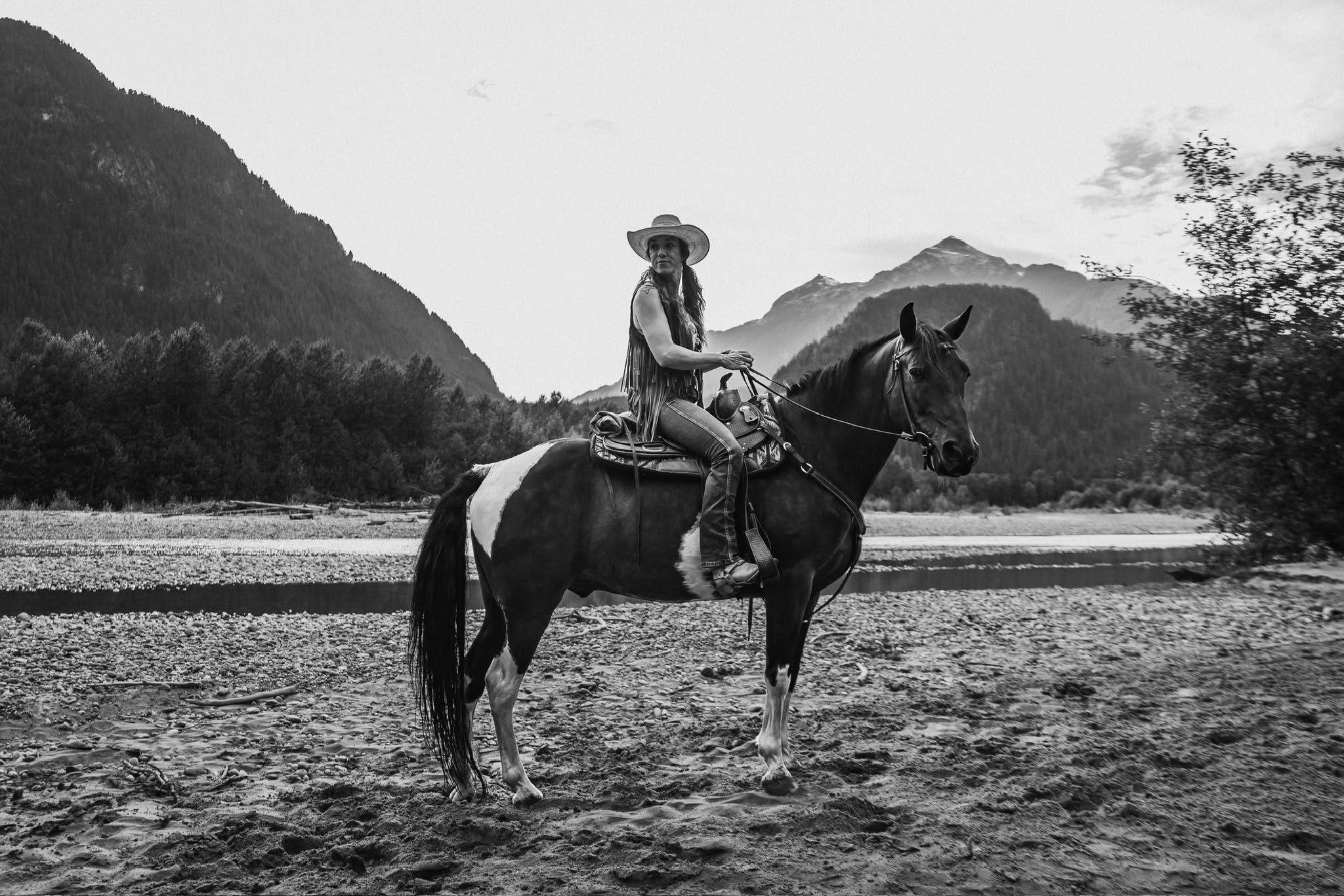
Family members and close associates have described Visser as a vital part of the local social fabric, deeply connected to the land and its inhabitants. Her professional background as a horse and dogsled guide suggests a high level of physical competency and familiarity with the terrain, yet the chaotic nature of floodwaters defeated even experienced individuals. Local authorities have not yet released a detailed forensic timeline of the specific moments leading to her death, but the consensus among community voices is that her actions were driven by an urgent desire to save lives and protect livestock caught in the deluge.
In-Depth Analysis & Key Details
The death of Femke Visser serves as a stark reminder of the increasing frequency and intensity of extreme weather events in British Columbia, a trend that has accelerated over the past decade. Climate data indicates that the Pacific Northwest is experiencing more volatile precipitation patterns, leading to flash floods that occur with less warning than historical norms. This shift places unprecedented strain on both natural infrastructure and human resilience, turning routine outdoor activities or neighborly assistance into high-stakes survival scenarios. The structural forces at play here include the aging of flood control infrastructure and the rapid expansion of residential development in areas historically designated as high-risk zones.
Competing perspectives on disaster response in such communities often center on the balance between individual initiative and institutional support. While the spirit of mutual aid is culturally valued in Canadian society, industry analysts and safety advocates note that uncoordinated rescue efforts can lead to secondary casualties. There is a growing debate regarding the need for more robust public communication systems that provide real-time hydrological data to residents, enabling them to make more informed decisions about when to attempt self-rescue or evacuation. The economic consequences of such tragedies extend beyond the immediate loss of life, impacting insurance premiums, property values, and the broader tourism economy that relies on the safety and stability of these scenic regions.
Expert domain context from emergency management sectors suggests that flood response in rural and semi-urban areas requires a nuanced approach that respects local knowledge while imposing strict safety protocols. The technical intricacies of boating in flood conditions involve understanding current velocity, water temperature, and the presence of debris, all of which can change minute by minute. Visser’s background in guiding animals indicates she possessed significant outdoor survival skills, yet the complexity of flood dynamics often outstrips individual expertise, highlighting the need for specialized training and equipment accessible to all residents, not just professional first responders.
"In the face of rising waters, the community’s instinct to help one another became a testament to their resilience, yet it also exposed the critical vulnerabilities in our preparedness for extreme weather events."
Why This Matters & What Lies Ahead
For everyday readers, this tragedy is a poignant illustration of the personal risks associated with living in climate-vulnerable regions. It impacts public policy by potentially accelerating legislative discussions around flood mitigation funding, building codes, and emergency communication infrastructure. Residents in similar coastal and riverine communities may face increased scrutiny regarding their personal safety practices and property insurance coverage, as insurers adjust risk models based on recent loss data. The emotional toll on the community also affects social cohesion, requiring significant support resources for grief counseling and community rebuilding.
Upcoming milestones to monitor include the official coroner’s report, which will provide detailed forensic analysis of the incident and may inform future safety recommendations. Additionally, provincial government hearings on climate adaptation strategies and infrastructure investment are expected to reference such incidents as case studies for necessary policy changes. Stakeholders, including local municipalities, emergency services, and environmental groups, will likely convene to review existing flood response protocols, potentially leading to new mandates for public education on water safety and emergency preparedness in high-risk areas.
Source: Reported by Global News BC · Analyzed & Synthesized by DNB Newsroom