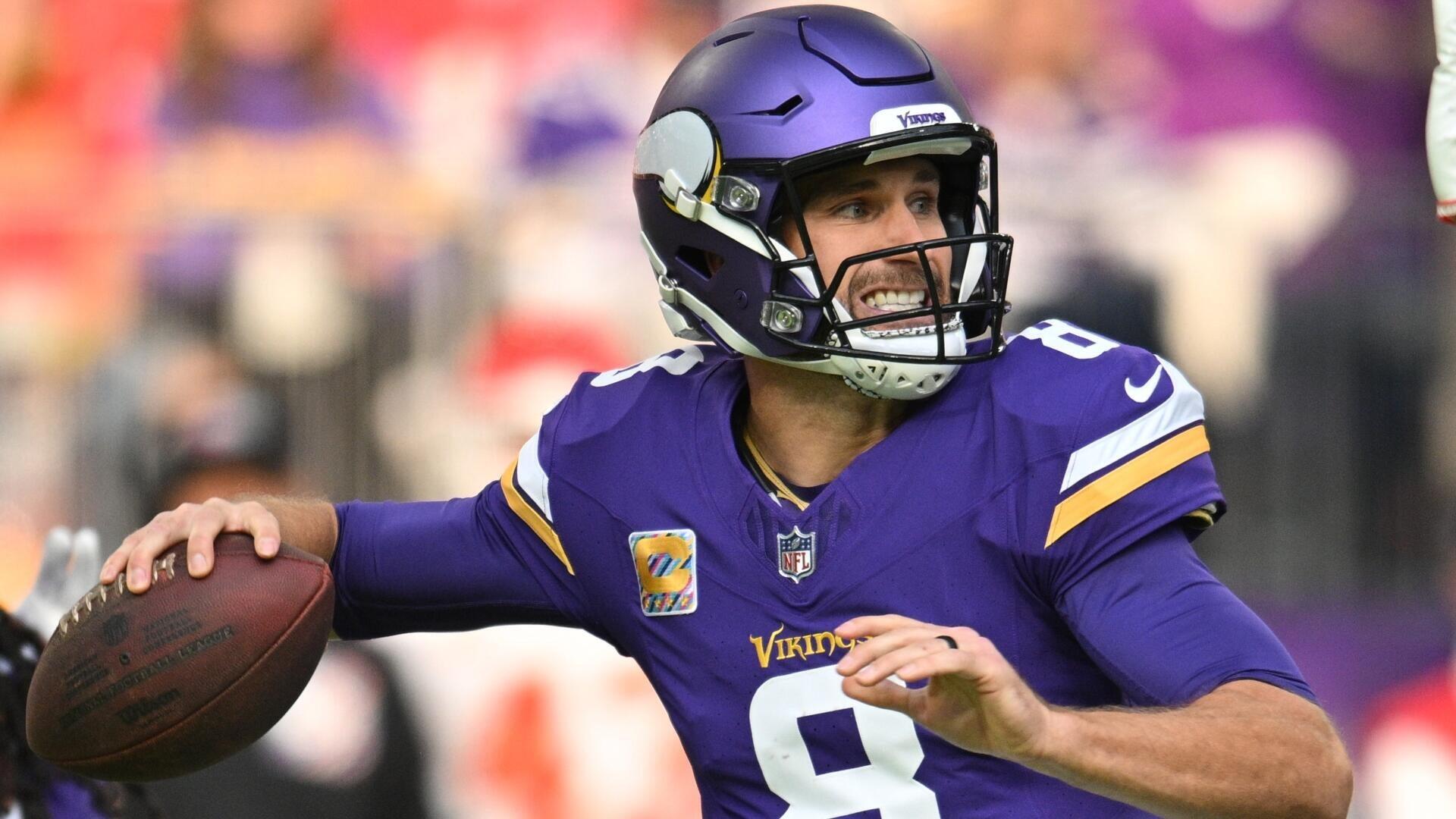
SportsLine, a data‑driven sports‑betting firm, released its latest Week 12 projections after running a Monte Carlo simulation of every game on the schedule ten thousand times, a scale rarely seen in public forecasts. The company announced the results early Tuesday, positioning the Minnesota Vikings and Miami Dolphins as the most statistically favorable bets for the upcoming slate.
The Vikings, traveling to Detroit to face the Lions, are projected to win by a margin that exceeds the current spread, while the Dolphins, hosting New England, are favored to surpass the over/under line set by major sportsbooks. Both matchups carry significant implications for divisional standings, with Minnesota eyeing a return to the NFC North lead and Miami seeking to solidify its bid for a playoff berth.
SportsLine’s spokesperson emphasized that the model incorporates player health updates, weather conditions, and historical performance trends, and noted that the firm will monitor betting line movements as the games approach. Early reactions from betting circles describe the findings as “a compelling data point,” while team representatives have declined to comment on the projections directly.
In-Depth Analysis & Key Details
Predictive analytics have been part of NFL wagering for decades, but the intensity of today’s computational power allows firms to run exhaustive scenario testing that far exceeds traditional power‑ranking methods. Early adopters in the 2000s relied on limited simulations; modern platforms now integrate real‑time injury reports and advanced player tracking metrics, creating a richer probabilistic landscape.
Competing models from rival firms often produce divergent recommendations, sparking debate among regulators about the transparency and fairness of algorithm‑driven betting advice. While the federal framework permits state‑level sports betting, some jurisdictions are scrutinizing whether such sophisticated tools could advantage professional gamblers, prompting discussions about potential disclosure requirements.
Industry analysts observe that the surge in high‑volume simulations reflects a broader trend of data‑centric decision‑making in sports, mirroring similar shifts in fantasy football and player scouting. The willingness of sportsbooks to adjust lines in response to these forecasts underscores the growing symbiosis between betting operators and analytics providers.
"When a model runs ten thousand simulations per game, the resulting confidence intervals become a decisive factor for both bettors and bookmakers alike."
Why This Matters & What Lies Ahead
For everyday fans who dabble in weekly wagers, the model’s clear endorsement of the Vikings and Dolphins translates into more informed betting choices, potentially increasing individual returns and overall wagering volume. At the macro level, the shift in betting lines can affect team revenue streams tied to merchandise and ticket sales, especially if a favored outcome fuels fan optimism.
Looking ahead, the next set of projections for Week 13 will be released ahead of the league’s Thanksgiving slate, a period traditionally marked by heightened viewership and betting activity. Stakeholders will watch for any regulatory responses to the growing reliance on algorithmic advice, as well as the impact of these forecasts on the NFL’s broader narrative of competitive balance and market integrity.
Source: Reported by CBS Sports · Analyzed & Synthesized by DNB Newsroom