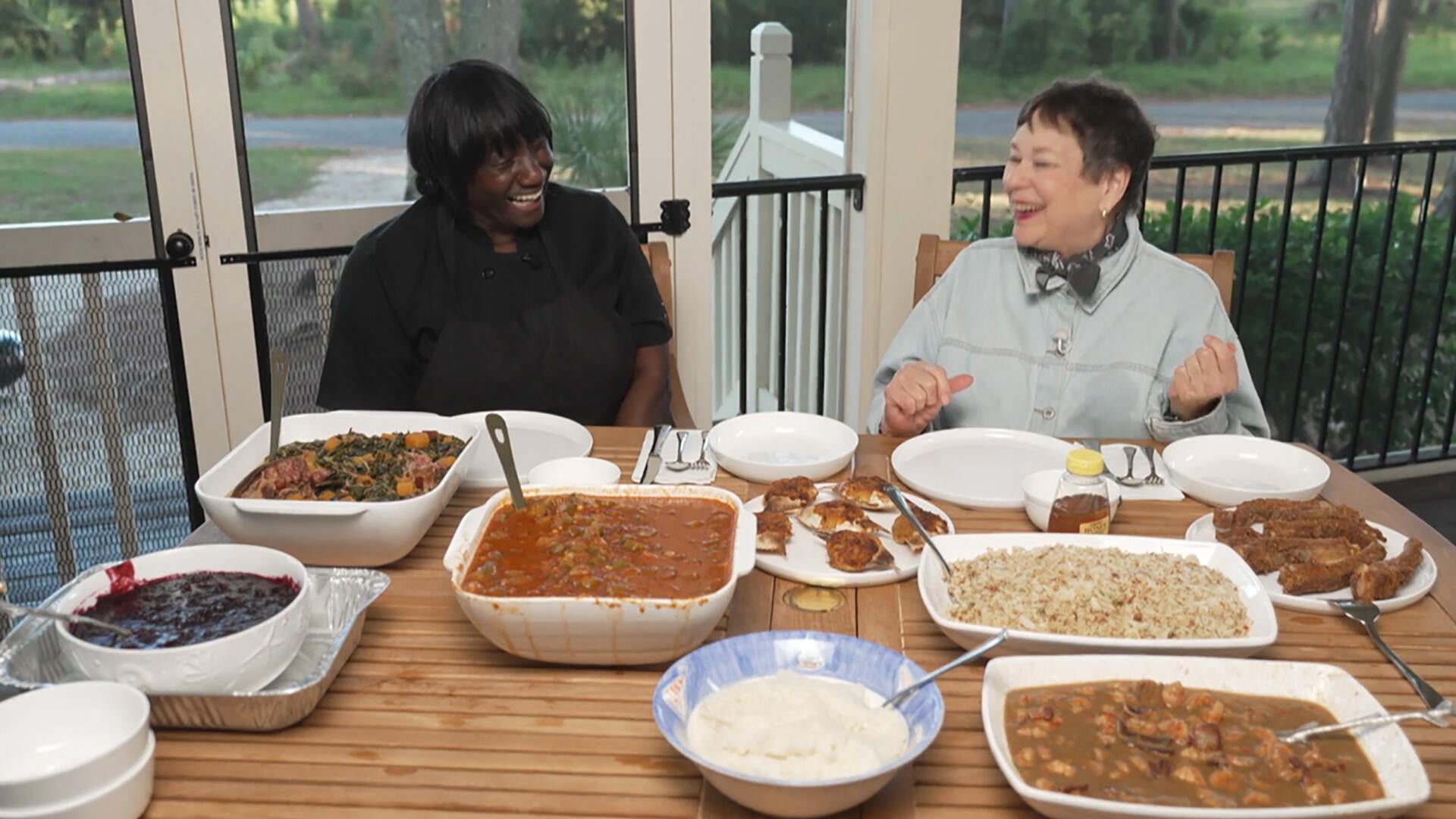
In a significant milestone for American culinary history, Sallie Ann Robinson has been named a recipient of the James Beard Foundation Hall of Fame Book Award. Robinson, a chef, cookbook writer, and cultural advocate based on a barrier island off the coast of South Carolina, is celebrated for her comprehensive efforts to document the Gullah Geechee foodways. This honor from one of the most respected organizations in the gastronomic world places her work at the center of national attention, validating the profound cultural weight carried by traditional recipes and cooking techniques that have been passed down through generations.
The geographical and cultural context of Robinson’s work is defined by the unique environment of the Gullah Geechee Sea Islands. These isolated communities, formed by descendants of enslaved Africans who settled in the Lowcountry, developed a distinct culinary identity rooted in local ingredients and historical necessity. Robinson’s presence in this region is not merely professional but deeply personal, as she operates as a "human whirlwind" dedicated to ensuring that these specific cultural narratives are not lost to time. Her work serves as a tangible bridge between the past and present, offering a structured understanding of how food functions as a repository of history and identity for this specific demographic.
Correspondent Martha Teichner, in her coverage of the event, highlights the dual role of Robinson as both a practitioner and a historian of food. The award is not simply for a single recipe or dish, but for the body of work that has systematically preserved the Gullah Geechee cuisine. By engaging with Robinson, the narrative emphasizes that food is a primary vehicle for cultural survival. The institutional backing provided by the James Beard Foundation lends significant credibility to these claims, moving Gullah Geechee cuisine from the margins of regional folklore into the mainstream canon of American culinary literature.
In-Depth Analysis & Key Details
The historical background of the Gullah Geechee culture is inextricably linked to the transatlantic slave trade and the subsequent settlement of the Lowcountry. For centuries, these communities maintained a distinct identity through language, art, and particularly food, which served as a means of resistance and preservation during periods of extreme oppression. The structural forces that have historically marginalized this culture include systemic exclusion from mainstream educational and culinary institutions. However, contemporary efforts, such as Robinson’s, are dismantling these barriers by asserting the intellectual and artistic merit of Gullah Geechee foodways on a national stage. The regulatory and cultural landscape is shifting, with a growing recognition that culinary heritage is a form of intangible cultural property that requires active stewardship.
Competing perspectives in the culinary world have traditionally favored European-centric techniques and ingredients as the standard for high cuisine. The elevation of Gullah Geechee food challenges this hegemony, prompting a re-evaluation of what constitutes "fine dining" and culinary excellence. Industry analysts observe that this shift is part of a broader decolonization of food narratives, where the contributions of Black and indigenous communities are no longer treated as novelties but as foundational elements of American food culture. The economic consequences of this recognition include increased tourism, higher market value for regional ingredients, and greater investment in community-based culinary programs. This creates a feedback loop where cultural preservation drives economic development, further incentivizing the documentation and protection of these traditions.
Expert domain context suggests that the preservation of food culture is a critical component of broader cultural resilience. The James Beard Foundation’s decision to award Robinson reflects an institutional acknowledgment that culinary history is a vital part of the American historical record. This is not merely a celebration of taste, but a recognition of the labor, creativity, and history embedded in every dish. The technical intricacies of Gullah Geechee cooking, which often involve foraging, fermentation, and the use of local, often overlooked ingredients, represent a sophisticated culinary system that has been refined over centuries. By highlighting these techniques, Robinson’s work provides a model for how traditional knowledge can be adapted and sustained in a modern context, offering lessons in sustainability and cultural continuity.
"Food is not merely sustenance; it is the living archive of a people’s history, and preserving it is an act of cultural resilience."
Why This Matters & What Lies Ahead
For everyday readers, this recognition validates the cultural significance of regional and ethnic food traditions, encouraging a deeper appreciation for the stories behind the meals they consume. It also has implications for public policy and educational curricula, potentially influencing how food history is taught in schools and how cultural heritage is protected by state and federal agencies. The financial markets may see a ripple effect in the form of increased demand for authentic Gullah Geechee products and experiences, benefiting local economies and small-scale producers. This shift also prompts a broader conversation about the role of the culinary industry in promoting social justice and cultural equity.
Upcoming milestones to monitor include the rollout of educational programs based on Robinson’s work, potential legislative efforts to protect Gullah Geechee cultural sites, and further awards or recognitions that continue to elevate this culinary tradition. The James Beard Foundation’s future initiatives may provide additional resources for culinary historians and chefs working to preserve at-risk food cultures. Additionally, the response of the broader culinary community to this recognition will be a key indicator of how quickly the industry is adapting to more inclusive standards of excellence. These developments will shape the future of American food culture, ensuring that diverse culinary traditions are not only preserved but celebrated and integrated into the national narrative.
Source: Reported by CBS News · Analyzed & Synthesized by DNB Newsroom