In facilities dedicated to advanced food preservation, industrial-scale freeze-dryers are operating at full capacity to meet surging demand from the outdoor recreation sector. These machines employ sublimation, a process that removes moisture from cooked food by freezing it and then reducing the surrounding pressure to allow frozen water to transition directly from solid to gas. This method preserves the cellular structure of ingredients, resulting in meals that rehydrate to a texture and taste remarkably close to their fresh counterparts, a stark contrast to the rubbery consistency often associated with older dehydrated products.
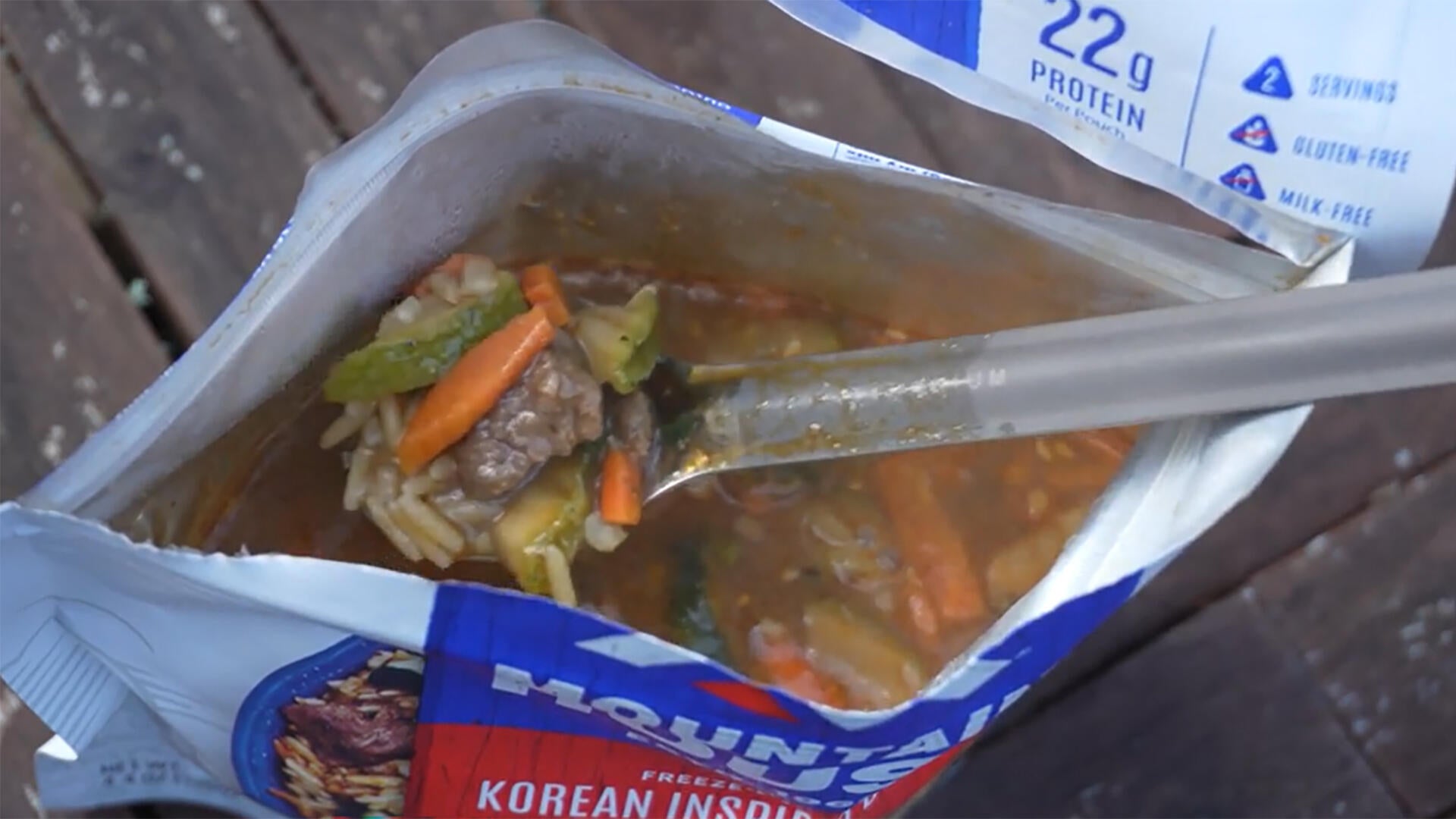
The operational context centers on the production of complete, multi-ingredient meals rather than single-component snacks. Manufacturers are now processing complex dishes such as beef stroganoff and chicken cashew curry, packaging them into lightweight, vacuum-sealed pouches designed for backpacking. Each pouch is engineered to weigh a fraction of its fresh equivalent, allowing hikers to carry a week’s worth of high-calorie, flavorful food without the burden of heavy cans or the risk of spoilage in varying weather conditions.
Industry stakeholders emphasize that this evolution is driven by consumer expectations for quality and convenience. As reported by CBS News correspondent Conor Knighton, the production of these meals involves precise control over temperature and vacuum levels to ensure safety and longevity. Manufacturers assert that their products offer a reliable, shelf-stable solution that eliminates the need for refrigeration, thereby removing a critical logistical barrier for long-duration outdoor adventures.
In-Depth Analysis & Key Details
The historical trajectory of outdoor food has moved from simple dehydrated vegetables and powdered drinks to sophisticated, ready-to-eat systems. Early freeze-drying technology was primarily used for military rations and emergency supplies, but advancements in commercial equipment have lowered costs and improved efficiency, making gourmet applications viable for the consumer market. This shift reflects a broader trend in the food industry where preservation technology is prioritized for quality retention rather than mere shelf-life extension, allowing complex flavor profiles to survive the drying process.
From an economic perspective, the growth of this sector indicates a premiumization of the outdoor gear and nutrition market. Consumers are willing to pay higher prices for meals that offer both nutritional density and culinary satisfaction, driving manufacturers to invest in R&D for new recipes and packaging innovations. This contrasts with the commodity market for basic survival foods, which remains price-sensitive and focused on caloric efficiency rather than taste. The tension between cost and quality is a key driver of product development in this space.
Technical experts in food science note that freeze-drying is superior to traditional dehydrating for certain ingredients because it prevents the degradation of vitamins and enzymes that occurs at higher temperatures. The process also eliminates the need for chemical preservatives, as the removal of water inhibits microbial growth. This natural preservation method appeals to health-conscious consumers who are increasingly scrutinizing ingredient labels and seeking minimally processed options, even in the context of outdoor activities.
"The transition from survival rations to gourmet backpacking meals represents a fundamental shift in how technology intersects with consumer lifestyle, proving that preservation science can deliver both safety and sensory pleasure in the most remote environments."
Why This Matters & What Lies Ahead
For everyday consumers and outdoor enthusiasts, this development means access to reliable, high-quality nutrition that enhances the safety and enjoyment of wilderness travel. The reduction in weight and bulk makes it feasible for a broader demographic, including older hikers and families, to undertake multi-day trips without compromising on dietary preferences or health requirements. Furthermore, the environmental impact of reduced packaging weight and the elimination of cold-chain requirements for these specific products contributes to a lower overall carbon footprint for outdoor activities.
Looking ahead, industry analysts predict continued innovation in recipe complexity and packaging sustainability. Manufacturers are likely to explore biodegradable materials for meal pouches and expand their product lines to include specialized diets such as vegan, gluten-free, and high-protein options. Regulatory bodies may also increase scrutiny on labeling and nutritional claims for these products, ensuring that the health benefits advertised are substantiated by scientific evidence. Consumers should monitor upcoming product launches and industry standards updates to stay informed about the evolving landscape of outdoor nutrition.
Source: Reported by CBS News · Analyzed & Synthesized by DNB Newsroom